
Tin tức
Gỗ bạch dương Veneer cho đồ nội thất và giải pháp sản xuất đồ nội thất hiện đại
Chào mừng đến với Blog của tôi!
Tôi rất vui vì bạn đã ghé thăm. Trước khi chúng ta đi sâu vào nội dung, tôi rất muốn được kết nối với bạn ngoài trang này. Trên mạng xã hội, tôi thường xuyên chia sẻ những hiểu biết sâu sắc về ngành, cập nhật sản phẩm và những khoảnh khắc hậu trường — hơn nữa, đây còn là một nơi tuyệt vời để chúng ta tương tác!
Theo dõi chúng tôi trên Facebook: Công ty TNHH Thiết bị tự động hóa Shandong Chuangxin
Hãy cùng nhau phát triển và giữ kết nối. Giờ thì, hãy cùng khám phá blog nhé — tôi hy vọng bạn thấy nội dung này bổ ích, hấp dẫn và thực sự giá trị.
Mục lục
Những điểm chính của Hướng dẫn này
- Hiểu được điều gì làm nên Ván ép gỗ bạch dương một vật liệu bề mặt đồ nội thất cao cấp
- Tại sao veneer bạch dương được sử dụng rộng rãi trong các hệ thống sản xuất đồ nội thất hiện đại
- Giải thích các phương pháp cắt, kết cấu và khái niệm xử lý công nghiệp
- So sánh với các vật liệu trang trí và veneer thông thường khác
- Các ứng dụng trong thế giới thực trên các ngành nội thất, kiến trúc và nội thất
- Tiêu chí lựa chọn bao gồm các loại lớp nền và hiệu suất bề mặt
- Phần FAQ dựa trên ý định tìm kiếm người dùng thực và hành vi mua hàng
Giới thiệu
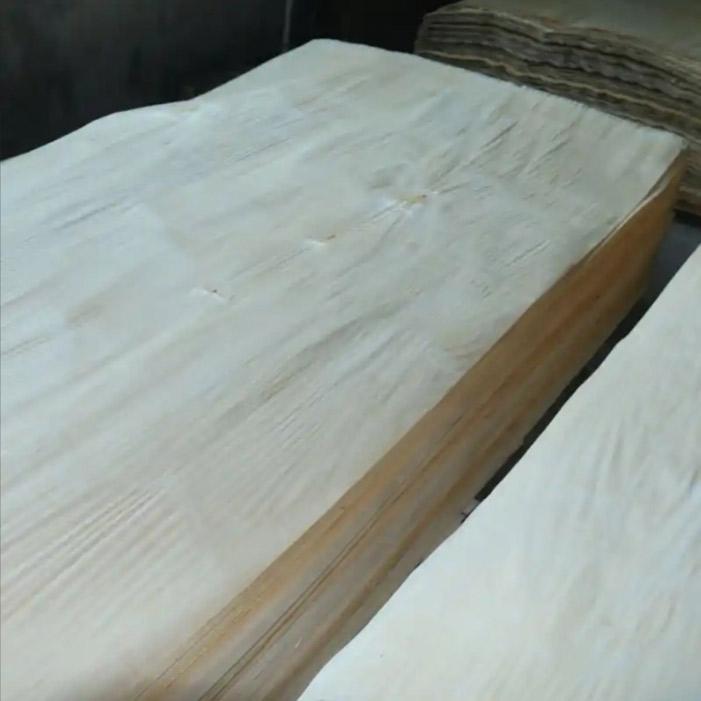
Trong sản xuất đồ nội thất hiện đại, lựa chọn vật liệu bề mặt ảnh hưởng trực tiếp đến sự xuất hiện của sản phẩm, độ bền và khả năng cạnh tranh của thị trường. trong số các vật liệu trang trí tự nhiên, veneer bạch dương được công nhận rộng rãi vì tông màu sạch, kết cấu mịn và khả năng thích ứng xử lý mạnh m.
Ván ép gỗ bạch dương được sản xuất từ gỗ bạch dương và cắt thành tấm trang trí mỏng. màu sắc của nó dao động từ màu trắng kem đến màu nâu nhạt, thường có hiệu ứng hình ảnh mềm mại và đồng đều. điều này làm cho nó đặc biệt phù hợp với phong cách thiết kế nội thất tối giản, Scandinavia, và đương đại.
Vì sự cân bằng giữa thẩm mỹ tự nhiên và khả năng sử dụng công nghiệp, veneer bạch dương đã trở thành vật liệu cốt lõi trong sản xuất đồ nội thất toàn cầu.
Tổng quan về gỗ veneer bạch dương trong các ứng dụng nội thất
Điều gì làm cho gỗ bạch dương Veneer độc đáo?
Veneer bạch dương nổi bật do độ sáng tự nhiên và cấu trúc bề mặt phù hợp.
Nó cung cấp một sự xuất hiện tinh tế phù hợp với cả đồ nội thất thương mại và dân cư. hạt đồng nhất của nó làm giảm sự không nhất quán thị giác trong quá trình sản xuất quy mô lớn.
Tại sao Birch Veneer cho sản xuất đồ nội thất là phổ biến
Các nhà sản xuất chọn veneer bạch dương vì nó dễ xử lý và có khả năng thích ứng cao.
Nó thực hiện tốt trong các quy trình dán, nhuộm màu và đánh bóng.Điều này làm giảm khó khăn trong sản xuất trong khi vẫn duy trì chất lượng hình ảnh cao.
Giá trị thẩm mỹ trong nội thất hiện đại
Veneer bạch dương hỗ trợ thẩm mỹ nội thất sạch sẽ và hiện đại.
Nó thường được sử dụng trong nội thất văn phòng, không gian bán lẻ và nội thất dân cư, nơi ưa thích sự đơn giản và sáng sủa.
Birch Gỗ Veneer Đặc điểm vật liệu Giải thích
Khái niệm Màu sắc và Ngoại hình
Veneer bạch dương thường có tông màu sáng từ trắng đến nâu đỏ nhạt.
Bảng màu trung tính này cho phép các nhà thiết kế kết hợp nó với các phong cách nội thất khác nhau mà không có xung đột thị giác.
Khái niệm cấu trúc hạt
Hạt của veneer bạch dương mịn, thẳng và phân bố đều.
Điều này tạo ra một luồng thị giác mượt mà lý tưởng cho các bề mặt đồ nội thất hiện đại.
Khái niệm khả năng làm việc
Veneer bạch dương có khả năng làm việc cao trong quá trình sản xuất.
Nó có thể được cắt, ép, và hoàn thành mà không có vết nứt hoặc biến dạng đáng k.
Phương pháp cắt gỗ bạch dương Veneer
Rotary Cut Birch Veneer Khái niệm
Cắt quay tạo ra các mẫu hạt rộng với dòng chảy thị giác liên tục.
Nó thường được sử dụng cho các tấm lớn và sản xuất đồ nội thất tiết kiệm chi phí.
Flat Cut Birch Veneer Khái niệm
Cắt phẳng làm nổi bật các mẫu hạt nhà thờ mềm.
Nó thường được sử dụng trong đồ nội thất trang trí nơi thẩm mỹ tự nhiên là quan trọng.
Quarter Cut Birch Veneer Khái niệm
Cắt quý tạo ra các đường hạt thẳng và đồng nhất.
Nó được ưa thích trong các thiết kế nội thất tối giản cao cấp.
Hình Birch Veneer Concept
Bạch dương hình bao gồm các mẫu hình ảnh giống như ngọn lửa hoặc sóng.
Nó được sử dụng trong đồ nội thất cao cấp và tấm trang trí sang trọng.
Kích thước gỗ bạch dương Veneer và định dạng công nghiệp
Khái niệm tùy chọn kích thước tiêu chuẩn
Kích thước khác nhau được thiết kế cho hiệu quả công nghiệp và tối ưu hóa vật liệu.
| Kiểu | Kích thước |
|---|---|
| Tiêu chuẩn | 4’×8’, 4’×10’, 4’×12’ |
| Quá kh | 5’×8’, 5’×10’, 5’×12’ |
| Hạt chéo | 8’×4’, 10’×4’, 12’×4’ |
| Chiều dài đặc biệt | 4’×14’ |
Tại sao kích thước đa dạng lại quan trọng trong sản xuất
Nhiều tùy chọn kích thước giảm chất thải trong quá trình cắt và lắp ráp.
Họ cũng cải thiện hiệu quả trong dây chuyền sản xuất đồ nội thất tự động.
Veneer gỗ bạch dương vs Vật liệu trang trí khác

Khái niệm Veneer bạch dương vs Veneer phong
Veneer bạch dương ấm hơn một chút và có tông màu tự nhiên hơn.
Maple đồng nhất hơn, trong khi bạch dương mang lại vẻ ngoài hữu cơ mềm mại hơn.
Khái niệm Veneer bạch dương vs Veneer sồi
Veneer sồi có các mẫu hạt mạnh mẽ và hung hăng hơn.
Birch mang lại hiệu ứng hình ảnh sạch sẽ và hiện đại hơn.
Khái niệm bề mặt Birch Veneer vs Engineered
Vật liệu kỹ thuật cung cấp tính nhất quán nhưng thiếu sự biến đổi tự nhiên.
Veneer bạch dương mang lại thẩm mỹ gỗ đích thực với những điểm không hoàn hảo tự nhiên.
Bảng so sánh: Veneer bạch dương so với các vật liệu khác
| Tính năng | Ván ép gỗ bạch dương | Veneer sồi | Laminate Bảng |
|---|---|---|---|
| Xuất hiện | Ánh sáng & tự nhiên | Hạt mạnh | Nhìn nhân tạo |
| Kết cấu | Mịn & mịn | Thô | Đồng phục |
| Khả năng làm việc | Cao | Trung bình | Cao |
| Cảm giác tự nhiên | Mạnh | Mạnh | Yếu đuối |
| Sử dụng nội thất | Giữa -cao cấp | Truyền thống | Sản phẩm ngân sách |
Birch Gỗ Veneer Backing Các loại Giải thích
Khái niệm hỗ trợ giấy
Giấy ủng hộ cải thiện tính linh hoạt và dễ dàng cài đặt.
Nó thường được sử dụng cho các tấm trang trí cong hoặc lớn.
Khái niệm Veneer miễn phí bong bóng
Lớp nền không có bong bóng ngăn chặn túi khí trong quá trình thi công.
Điều này đảm bảo bề mặt hoàn thiện mịn hơn và chuyên nghiệp hơn.
Khái niệm hỗ trợ PSA
Sự ủng hộ PSA cho phép cài đặt bóc và dính.
Nó làm giảm việc sử dụng chất kết dính và đơn giản hóa quy trình sản xuất.
Các ứng dụng của Birch Veneer cho đồ nội thất
Nội thất Sản xuất Concept
Veneer bạch dương được sử dụng rộng rãi trong các bảng, tủ, và hệ thống kệ đ.
Nó cung cấp một bề mặt sạch sẽ và phù hợp cho sản xuất hàng loạt.
Khái niệm hệ thống tủ bếp
Nó thường được áp dụng trong cửa tủ và mặt trước ngăn kéo.
Sự ổn định của nó làm cho nó phù hợp với môi trường nhà bếp ẩm ướt.
Khái niệm Kiến trúc Nội thất
Veneer bạch dương được sử dụng trong các tấm tường và vách ngăn trang trí.
Nó tăng cường sự hài hòa về mặt hình ảnh trong nội thất thương mại và dân cư.
Khái niệm sản xuất nhạc cụ
Nó cũng được sử dụng trong guitar, trống và các thành phần piano.
Sự ổn định cấu trúc của nó góp phần vào cả tính thẩm mỹ và hiệu suất.
Hướng dẫn lựa chọn gỗ bạch dương Veneer
Khái niệm lựa chọn lớp bề mặt
Veneer cao cấp hơn cung cấp hạt đồng đều hơn và ít khuyết tật hơn.
Nó được ưa thích cho sản xuất đồ nội thất cao cấp.
Khái niệm lựa chọn độ dày
Veneer dày hơn cung cấp độ bền và độ bền bề mặt tốt hơn.
Veneer mỏng hơn mang lại tính linh hoạt cao hơn cho các ứng dụng cong.
Khái niệm Application Matching
Các loại đồ nội thất khác nhau đòi hỏi các loại veneer khác nhau.
Kết hợp phù hợp cải thiện độ bền và hiệu suất hình ảnh.
Nghiên cứu điển hình về sản xuất nội thất thế giới thực
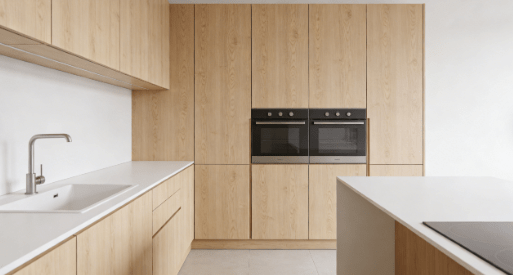
Một nhà sản xuất đồ nội thất đã chuyển sang Ván ép gỗ bạch dương đối với dòng sản phẩm tủ của nó.
Trước khi tối ưu hóa:
- Chất lượng bề mặt không nhất quán
- Tỷ lệ lỗi cao hơn trong quá trình hoàn thiện
- Tính linh hoạt trong thiết kế hạn chế
Sau khi tối ưu hóa:
- Cải thiện tính đồng nhất bề mặt
- Giảm chất thải sản xuất 30%
- Định vị mạnh hơn ở các thị trường trung cấp đến cao cấp
Kết quả cuối cùng:
Công ty đã đạt được sự nhất quán sản phẩm tốt hơn và cải thiện sự chấp nhận của khách hàng trên thị trường quốc tế.
Phần kết luận
Ván ép gỗ bạch dương tiếp tục là vật liệu được ưa chuộng trong sản xuất đồ nội thất do vẻ ngoài tự nhiên, hiệu suất xử lý ổn định và tính linh hoạt ứng dụng rộng rãi.
Đối với các nhà sản xuất nhắm mục tiêu thị trường đồ nội thất hiện đại và quốc tế, veneer bạch dương cung cấp một giải pháp đáng tin cậy kết hợp giá trị thẩm mỹ với hiệu quả công nghiệp, làm cho nó trở thành một lựa chọn vật liệu chiến lược lâu dài.
Câu hỏi thường gặp
Birch Wood Veneer dùng để làm gì?
Nó được sử dụng trong sản xuất đồ nội thất, tủ, tấm tường và trang trí nội thất.
Veneer bạch dương có tốt cho đồ nội thất không?
Có, nó mang lại sự cân bằng tuyệt vời giữa tính thẩm mỹ, độ bền và khả năng làm việc.
Veneer bạch dương màu gì?
Nó có màu từ trắng kem đến nâu nhạt với sự biến đổi tự nhiên mềm mại.
Sự khác biệt giữa veneer bạch dương và veneer sồi là gì?
Birch nhẹ hơn và mịn hơn, trong khi gỗ sồi có hạt chắc hơn và có kết cấu hơn.
Veneer bạch dương có thể được nhuộm hoặc sơn không?
Có, nó hấp thụ kết thúc tốt và hỗ trợ nhiều phương pháp xử lý bề mặt.
Những ngành công nghiệp nào sử dụng veneer bạch dương?
Nội thất, kiến trúc, thiết kế nội thất, sản xuất nhạc cụ.
 Vietnamese
  English
  Arabic