
أخبار
تحسين كفاءة الإنتاج باستخدام آلات الترقق بالضغط البارد
جدول المحتويات
مقدمة
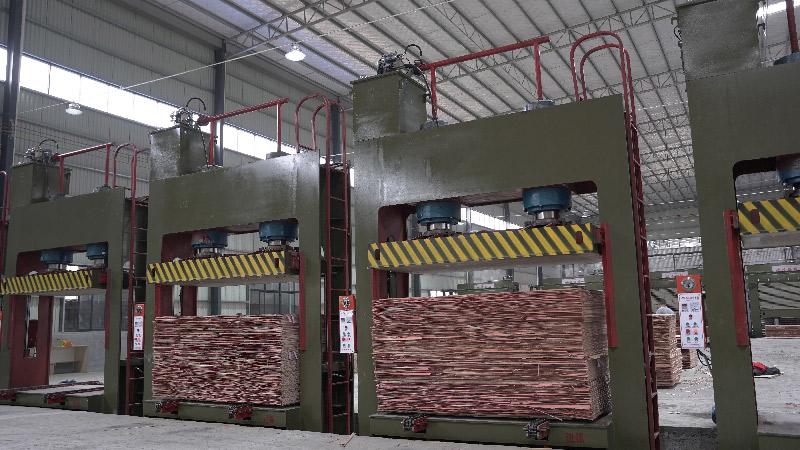
في صناعات الأعمال الخشبية وإنتاج الألواح الحديثة، تعد الكفاءة والاتساق من العوامل الرئيسية التي تحدد القدرة التنافسية. مع زيادة متطلبات الإنتاج، يتحول المصنعون نحو حلول ربط أكثر استقرارًا وقابلة للتطوير. أحد الحلول الأكثر اعتماداً على نطاق واسع هو آلة التصفيح بالضغط البارد.
تم تصميم آلة التصفيح بالضغط البارد لربط الألواح الخشبية مثل الخشب الرقائقي وMDF وألواح القشرة باستخدام ضغط هيدروليكي متحكم فيه بدون حرارة. تسمح هذه الطريقة البسيطة والفعالة للغاية للمصنعين بتحسين استقرار الإنتاج مع الحفاظ على سلامة المواد.
تظهر ملاحظات الصناعة من دراسات إنتاج النجارة أن تحسين عمليات الضغط يمكن أن يقلل بشكل كبير من معدلات إعادة العمل ويحسن الإنتاجية، خاصة في بيئات تصنيع الألواح المتوسطة والكبيرة الحجم.
تشرح هذه المقالة كيف تعمل آلات تصفيح الضغط البارد على تحسين كفاءة الإنتاج، وما هي العوامل التي تؤثر على الأداء، ولماذا تعتبر ضرورية في سير العمل الصناعي الحديث.
ما هي آلة الترقق بالضغط البارد؟
آلة التصفيح بالضغط البارد هي معدات صناعية تستخدم لتطبيق ضغط موحد على المواد ذات الطبقات لربطها معًا باستخدام أنظمة لاصقة تعالج بشكل طبيعي بمرور الوقت.
وعلى عكس أنظمة الضغط الساخن، فهو لا يعتمد على درجة الحرارة. وبدلاً من ذلك، فهو يركز بالكامل على الضغط الميكانيكي والتحكم في مدة الضغط لتحقيق التصاق قوي.
يستخدم على نطاق واسع في:
- إنتاج ألواح الأثاث
- تصفيح الخشب الرقائقي وMDF
- ربط القشرة الزخرفية
- الضغط المسبق قبل عمليات الضغط الساخن
- مصانع النجارة المتوسطة والكبيرة الحجم
إن بساطته وموثوقيته واستهلاكه المنخفض للطاقة يجعله خيارًا مفضلاً في العديد من بيئات الإنتاج.
كيف تعمل آلات الترقق بالضغط البارد على تحسين كفاءة الإنتاج
تعمل آلات التصفيح بالضغط البارد على تحسين الكفاءة بطرق متعددة، بدءًا من تحسين سير العمل. ومن خلال تطبيق ضغط ثابت عبر مساحات سطحية كبيرة، فإنها تقلل من الحاجة إلى التعديلات اليدوية أثناء الإنتاج.
كما أنها تعمل على استقرار عملية الترابط. عندما يتم ضغط المواد بالتساوي، ينتشر اللاصق بشكل موحد، مما يقلل من العيوب مثل فقاعات الهواء، أو التصفيح، أو الترابط السطحي غير المستوي. وهذا يقلل بشكل مباشر من إعادة العمل وهدر المواد.
تحسين رئيسي آخر للكفاءة يأتي من القدرة على معالجة الدفعات. يمكن تكديس لوحات متعددة وضغطها في وقت واحد، مما يسمح للمشغلين بمعالجة كميات أكبر في دورة واحدة.
بالإضافة إلى ذلك، تعمل آلات الضغط البارد على تقليل عبء عمل المشغل. بمجرد تحميل المادة وتعيين المعلمات، يمكن للآلة إكمال دورة الضغط تلقائيًا، مما يحرر العمالة لمهام الإنتاج الأخرى.
المكونات الرئيسية التي تؤثر على الكفاءة
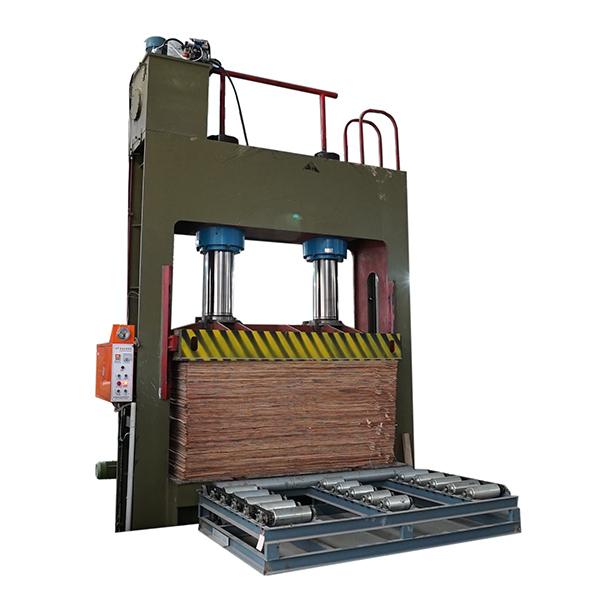
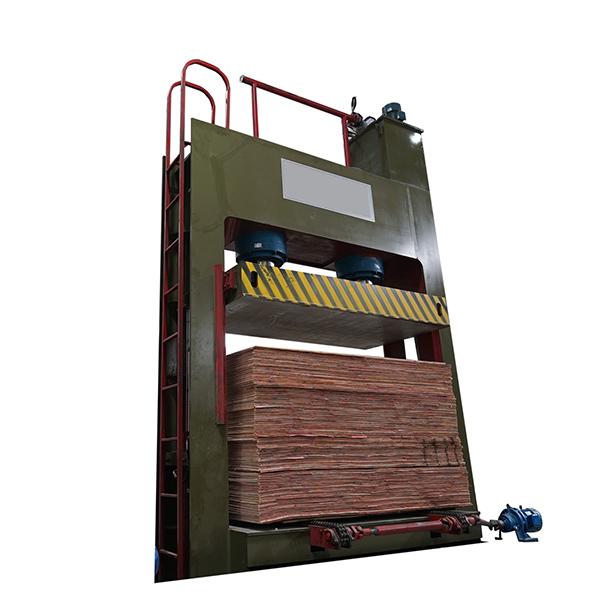
تعتمد كفاءة آلة التصفيح بالضغط البارد بشكل كبير على مكوناتها الهيكلية والوظيفية.
النظام الهيدروليكي هو المحرك الأساسي لاستقرار الضغط. تضمن القوة الهيدروليكية المتسقة جودة ربط موحدة عبر جميع الألواح.
تحدد ألواح الضغط تسطيح السطح وتوزيع الضغط. تعمل الألواح عالية الجودة على تقليل الترابط غير المتساوي وتحسين اتساق المنتج النهائي.
يدير نظام التحكم وقت الضغط ومستويات الضغط. تسمح الأنظمة الحديثة بإجراء تعديلات دقيقة لتتناسب مع متطلبات المواد المختلفة.
يضمن هيكل الإطار الاستقرار الميكانيكي أثناء دورات الإنتاج الطويلة. يقلل الهيكل الصلب من التشوه ويحافظ على الدقة تحت الضغط العالي.
يساهم كل مكون بشكل مباشر في سرعة الإنتاج والاتساق والكفاءة الشاملة.
مقارنة عوامل كفاءة الإنتاج
يسلط الجدول أدناه الضوء على كيفية تحسين آلات تصفيح الضغط البارد للكفاءة مقارنة بطرق الضغط الأقل تحسينًا
| عامل الكفاءة | آلة الترقق بالضغط البارد | طرق الضغط اليدوي |
|---|---|---|
| قدرة معالجة الدفعة | عالي | قليل |
| تبعية المشغل | قليل | عالي |
| استهلاك الطاقة | قليل | معتدل |
| معدل الخلل | أقل | أعلى |
| اتساق الإنتاج | عالي | عامل |
| أتمتة سير العمل | متوسطة إلى عالية | قليل |
توضح هذه المقارنة أن أنظمة الضغط البارد توفر بيئة إنتاج أكثر استقرارًا وقابلية للتطوير، خاصة للتصنيع المستمر.
التطبيقات الصناعية لآلات الترقق بالضغط البارد
تُستخدم آلات التصفيح بالضغط البارد على نطاق واسع في العديد من قطاعات الأعمال الخشبية وإنتاج الألواح.
في صناعة الأثاث، يتم استخدامها لتجميع الألواح متعددة الطبقات التي تتطلب الاستقرار الهيكلي والأسطح الملساء.
في إنتاج الخشب الرقائقي، فإنها تساعد على تثبيت الصفائح ذات الطبقات قبل مزيد من المعالجة أو التشطيب.
كما أنها ضرورية في تطبيقات القشرة الزخرفية حيث تكون جودة السطح أمرًا بالغ الأهمية للأداء الجمالي.
في خطوط الإنتاج الآلية الحديثة، غالبًا ما يتم دمج أنظمة الضغط البارد مع أنظمة النقل والأتمتة الهيدروليكية، مما يسمح بالتشغيل المستمر بأقل قدر من الانقطاع.
العوامل الرئيسية التي تؤثر على كفاءة الإنتاج
تؤثر العديد من العوامل الفنية والتشغيلية على كفاءة آلات التصفيح بالضغط البارد.
يعد تحضير المواد أحد أهم العوامل. تضمن الأسطح النظيفة والجافة والمغطاة بشكل صحيح نتائج ربط أفضل.
يجب تحسين وقت الضغط بناءً على نوع المادة اللاصقة وسمك المادة. التوقيت غير الصحيح يمكن أن يقلل من قوة الترابط أو يبطئ الإنتاج دون داع.
اتساق الضغط أمر بالغ الأهمية. يمكن أن يؤدي التوزيع غير المتساوي للضغط إلى عيوب وزيادة معدلات إعادة العمل.
يلعب سير عمل المشغل أيضًا دورًا. تعمل عمليات التحميل والتفريغ الفعالة على تقليل وقت التوقف عن العمل بين الدورات.
وأخيرًا، تضمن صيانة الماكينة الاستقرار على المدى الطويل وتمنع انقطاع الإنتاج بشكل غير متوقع.
فوائد آلات الترقق بالضغط البارد في أنظمة الإنتاج
توفر آلات التصفيح بالضغط البارد العديد من المزايا التي تعمل على تحسين كفاءة الإنتاج بشكل مباشر.
فهي تقلل من استهلاك الطاقة عن طريق التخلص من الحاجة إلى أنظمة التدفئة، مما يجعلها أكثر فعالية من حيث التكلفة للعمليات المستمرة.
إنها تعمل على تحسين استخدام المواد عن طريق تقليل العيوب وضمان جودة الترابط المتسقة.
كما أنها تزيد من قابلية التوسع في الإنتاج، مما يسمح للمصنعين بالتعامل مع أعباء العمل الأكبر دون زيادة متطلبات العمالة بشكل كبير.
فائدة رئيسية أخرى هي الاستقرار التشغيلي. تعتبر أنظمة الضغط البارد أبسط ميكانيكيًا، مما يقلل من وقت التوقف عن العمل والانقطاعات المرتبطة بالصيانة.
قضايا الكفاءة المشتركة وكيفية حلها
على الرغم من مزاياها، يمكن لآلات التصفيح بالضغط البارد أن تواجه تحديات في الكفاءة إذا لم تتم إدارتها بشكل صحيح.
يعد الترابط غير المتكافئ مشكلة شائعة ناجمة عن الضغط غير المتسق أو سوء تحضير المواد. المعايرة المنتظمة تساعد في حل هذه المشكلة.
قد تحدث أوقات دورة بطيئة عندما لا يتم تحسين مدة الضغط لمواد معينة. ضبط المعلمات يمكن أن يحسن الإنتاجية.
يمكن أن يؤثر عدم الاستقرار الهيدروليكي أيضًا على الأداء. تضمن الصيانة الدورية للأنظمة الهيدروليكية خرج ضغط ثابتًا.
يمكن أن يؤدي التأخير في التعامل مع المواد إلى تقليل الكفاءة الإجمالية. يساعد تحسين سير عمل التحميل والتفريغ على تقليل وقت التوقف عن العمل.
الصيانة والتحسين لتحقيق أقصى قدر من الكفاءة
الصيانة المناسبة ضرورية للحفاظ على كفاءة الإنتاج العالية.
يجب فحص الأنظمة الهيدروليكية بانتظام لضمان خرج ضغط مستقر.
يجب تنظيف ألواح الضغط وفحصها للتأكد من استواءها لتجنب عيوب السطح.
يؤدي تشحيم المكونات الميكانيكية إلى تقليل التآكل وتحسين سلاسة التشغيل.
يجب معايرة أنظمة التحكم بشكل دوري للحفاظ على الدقة في دورات الضغط.
لا تعمل الآلة التي تتم صيانتها جيدًا على تحسين الكفاءة فحسب، بل تعمل أيضًا على إطالة عمر الخدمة وتقليل تكاليف التشغيل.
الاتجاهات المستقبلية في تكنولوجيا تصفيح الضغط البارد
تتطور آلات التصفيح بالضغط البارد جنبًا إلى جنب مع اتجاهات التصنيع الحديثة.
أحد الاتجاهات الرئيسية هو زيادة الأتمتة، حيث يتم دمج الآلات في خطوط الإنتاج المؤتمتة بالكامل.
التطور الآخر هو أنظمة المراقبة الرقمية التي تتتبع الضغط ووقت الدورة وأداء الإنتاج في الوقت الفعلي.
ويجري أيضًا تطوير أنظمة هيدروليكية موفرة للطاقة لتقليل تكاليف التشغيل مع الحفاظ على الأداء.
تعمل هذه الابتكارات على جعل أنظمة الضغط البارد أكثر ذكاءً وكفاءة وقدرة على التكيف مع المتطلبات الصناعية الحديثة.
خاتمة
تلعب آلات التصفيح بالضغط البارد دورًا حاسمًا في تحسين كفاءة الإنتاج في صناعات الأعمال الخشبية وتصنيع الألواح. ومن خلال توفير ربط ضغط مستقر، وتقليل العيوب، ودعم معالجة الدفعات، فإنها تساعد الشركات المصنعة على تحقيق إنتاج أعلى بتكاليف تشغيلية أقل.
إن بساطتها وموثوقيتها وقابلية التوسع تجعلها جزءًا أساسيًا من أنظمة الإنتاج الحديثة. بالنسبة للمصنعين الذين يهدفون إلى تحسين الكفاءة دون زيادة التعقيد، تظل آلات التصفيح بالضغط البارد حلاً فعالاً للغاية.
التعليمات
ما هو آلة تصفيح الضغط البارد تستخدم ل؟
يتم استخدام آلة التصفيح بالضغط البارد لربط الألواح الخشبية مثل الخشب الرقائقي وMDF وألواح القشرة باستخدام الضغط الهيدروليكي بدون حرارة. فهو يضمن التصاقًا قويًا وبنية مستقرة وجودة سطح ثابتة في الإنتاج الصناعي.
كيف تعمل آلة الترقق بالضغط البارد على تحسين الكفاءة؟
فهو يحسن الكفاءة من خلال تمكين معالجة الدفعات، وتقليل العمل اليدوي، والحفاظ على ضغط مستقر أثناء دورات الربط. وهذا يقلل من العيوب، ويقلل من إعادة العمل، ويزيد من إنتاجية الإنتاج الإجمالية في عمليات النجارة.
ما هي المواد التي يمكن معالجتها باستخدام آلة الترقق بالضغط البارد؟
يتم استخدامه بشكل شائع للخشب الرقائقي، وMDF، وألواح الجسيمات، وألواح القشرة، وغيرها من المواد الخشبية الهندسية. إنها مناسبة للمواد ذات الطبقات التي تتطلب ترابطًا لاصقًا ثابتًا تحت ضغط متحكم فيه.
ما الفرق بين آلات التصفيح بالضغط البارد وآلات التصفيح بالضغط الساخن؟
يستخدم الضغط البارد الضغط الهيدروليكي فقط لمعالجة المواد اللاصقة الطبيعية، بينما يجمع الضغط الساخن بين الحرارة والضغط من أجل ربط أسرع. يعتبر الضغط البارد أكثر كفاءة في استخدام الطاقة ومناسبًا للضغط المسبق أو المواد الحساسة للحرارة.
كيفية الحفاظ على آلة الترقق بالضغط البارد؟
تشمل الصيانة فحص الضغط الهيدروليكي، وتنظيف ألواح الضغط، وفحص الإطار، وتشحيم الأجزاء المتحركة. تضمن الصيانة الدورية أداءً مستقرًا وكفاءة أعلى وعمر خدمة أطول للآلة.
هل تحتاج إلى مساعدة في اختيار آلة الترقق بالضغط البارد المناسبة؟
إذا لم تكن متأكدًا من آلة الترقق بالضغط البارد الأفضل لخط الإنتاج أو نوع المادة أو متطلبات الكفاءة، فإن خبرائنا موجودون هنا للمساعدة. اتصل بنا اليوم للحصول على استشارة شخصية والحصول على حل مخصص يعمل على تحسين كفاءة الإنتاج واستقرار الترابط وأداء الماكينة على المدى الطويل. لا تنتظر حتى يؤثر تأخير الإنتاج أو مشكلات الجودة على مخرجاتك، انسحب الآن لتحسين عملية التصنيع لديك وتعزيز قدرتك التنافسية!
 Arabic
  English
  Vietnamese