
News
Improving Production Efficiency with Cold Press Laminating Machines
Table of Contents
Introduction
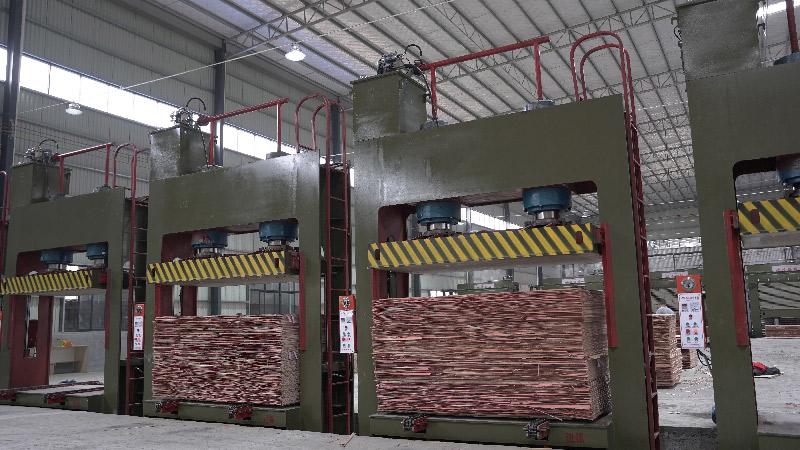
In modern woodworking and panel production industries, efficiency and consistency are key factors that determine competitiveness. As production demands increase, manufacturers are shifting toward more stable and scalable bonding solutions. One of the most widely adopted solutions is the cold press laminating machine.
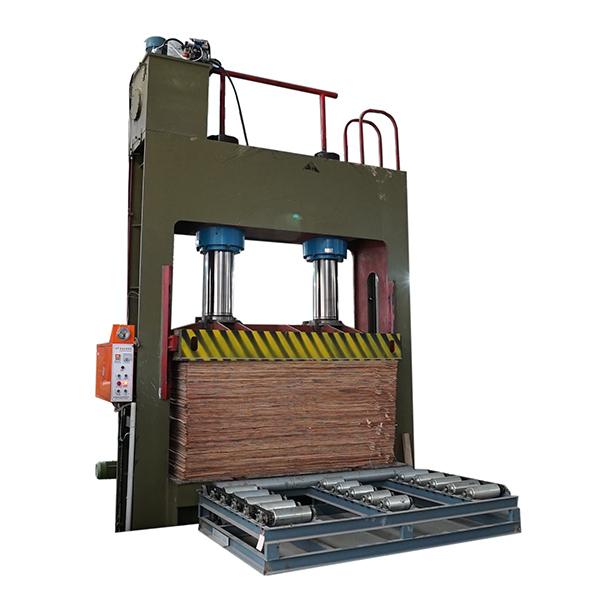
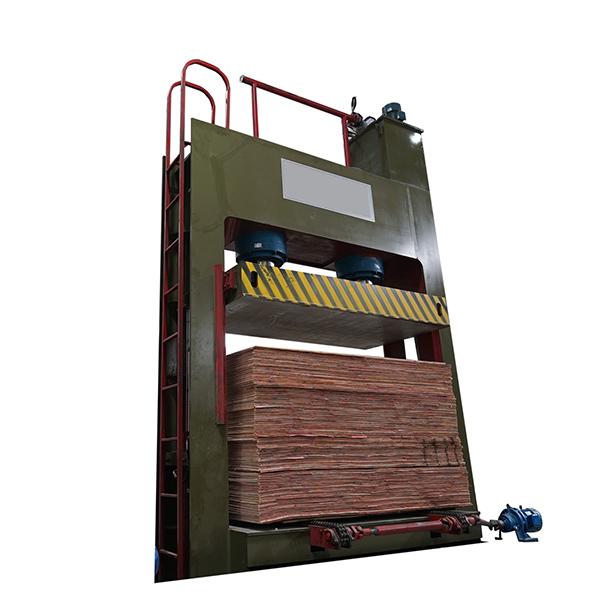
A cold press laminating machine is designed to bond wood-based panels such as plywood, MDF, and veneer boards using controlled hydraulic pressure without heat. This simple yet highly effective method allows manufacturers to improve production stability while maintaining material integrity.
Industry observations from woodworking production studies show that optimizing pressing processes can significantly reduce rework rates and improve throughput, especially in medium-to-large scale panel manufacturing environments.
This article explains how cold press laminating machines improve production efficiency, what factors influence performance, and why they are essential in modern industrial workflows.
What Is a Cold Press Laminating Machine?
A cold press laminating machine is industrial equipment used to apply uniform pressure to layered materials to bond them together using adhesive systems that cure naturally over time.
Unlike hot press systems, it does not rely on temperature. Instead, it focuses entirely on mechanical pressure and controlled pressing duration to achieve strong adhesion.
It is widely used in:
- Furniture panel production
- Plywood and MDF lamination
- Decorative veneer bonding
- Pre-pressing before hot pressing processes
- Medium and large-scale woodworking factories
Its simplicity, reliability, and low energy consumption make it a preferred choice in many production environments.
How Cold Press Laminating Machines Improve Production Efficiency
Cold press laminating machines improve efficiency in multiple ways, starting with workflow optimization. By applying consistent pressure across large surface areas, they reduce the need for manual adjustments during production.
They also stabilize the bonding process. When materials are pressed evenly, adhesive spreads uniformly, reducing defects such as air bubbles, delamination, or uneven surface bonding. This directly reduces rework and material waste.
Another key efficiency improvement comes from batch processing capability. Multiple panels can be stacked and pressed simultaneously, allowing operators to process larger volumes in a single cycle.
In addition, cold press machines reduce operator workload. Once the material is loaded and parameters are set, the machine can complete the pressing cycle automatically, freeing labor for other production tasks.
Key Components That Influence Efficiency
The efficiency of a cold press laminating machine depends heavily on its structural and functional components.
The hydraulic system is the core driver of pressure stability. Consistent hydraulic force ensures uniform bonding quality across all panels.
The pressing plates determine surface flatness and pressure distribution. High-quality plates reduce uneven bonding and improve final product consistency.
The control system manages pressing time and pressure levels. Modern systems allow precise adjustments to match different material requirements.
The frame structure ensures mechanical stability during long production cycles. A rigid structure minimizes deformation and maintains accuracy under high pressure.
Each component contributes directly to production speed, consistency, and overall efficiency.
Comparison of Production Efficiency Factors
The table below highlights how cold press laminating machines improve efficiency compared to less optimized pressing methods:
| Efficiency Factor | Cold Press Laminating Machine | Manual Press Methods |
|---|---|---|
| Batch Processing Capacity | High | Low |
| Operator Dependency | Low | High |
| Energy Consumption | Low | Moderate |
| Defect Rate | Lower | Higher |
| Production Consistency | High | Variable |
| Workflow Automation | Medium to High | Low |
This comparison shows that cold press systems provide a more stable and scalable production environment, especially for continuous manufacturing.
Industrial Applications of Cold Press Laminating Machines
Cold press laminating machines are widely used across multiple woodworking and panel production sectors.
In furniture manufacturing, they are used to assemble multi-layer panels that require structural stability and smooth surfaces.
In plywood production, they help stabilize layered sheets before further processing or finishing.
They are also essential in decorative veneer applications where surface quality is critical for aesthetic performance.
In modern automated production lines, cold press systems are often integrated with conveyor systems and hydraulic automation, allowing continuous operation with minimal interruption.
Key Factors That Affect Production Efficiency
Several technical and operational factors influence the efficiency of cold press laminating machines.
Material preparation is one of the most important factors. Clean, dry, and properly coated surfaces ensure better bonding results.
Pressing time must be optimized based on adhesive type and material thickness. Incorrect timing can reduce bonding strength or slow production unnecessarily.
Pressure consistency is critical. Uneven pressure distribution can lead to defects and increase rework rates.
Operator workflow also plays a role. Efficient loading and unloading processes reduce downtime between cycles.
Finally, machine maintenance ensures long-term stability and prevents unexpected production interruptions.
Benefits of Cold Press Laminating Machines in Production Systems
Cold press laminating machines provide several advantages that directly improve production efficiency.
They reduce energy consumption by eliminating the need for heating systems, making them more cost-effective for continuous operations.
They improve material utilization by reducing defects and ensuring consistent bonding quality.
They also increase production scalability, allowing manufacturers to handle larger workloads without significantly increasing labor requirements.
Another key benefit is operational stability. Cold press systems are mechanically simpler, which reduces downtime and maintenance-related interruptions.
Common Efficiency Issues and How to Solve Them
Despite their advantages, cold press laminating machines can face efficiency challenges if not properly managed.
Uneven bonding is a common issue caused by inconsistent pressure or poor material preparation. Regular calibration helps solve this problem.
Slow cycle times may occur when pressing duration is not optimized for specific materials. Adjusting parameters can improve throughput.
Hydraulic instability can also affect performance. Regular maintenance of hydraulic systems ensures consistent pressure output.
Material handling delays can reduce overall efficiency. Improving loading and unloading workflows helps minimize downtime.
Maintenance and Optimization for Maximum Efficiency
Proper maintenance is essential for sustaining high production efficiency.
Hydraulic systems should be inspected regularly to ensure stable pressure output.
Pressing plates must be cleaned and checked for flatness to avoid surface defects.
Lubrication of mechanical components reduces wear and improves operational smoothness.
Control systems should be calibrated periodically to maintain accuracy in pressing cycles.
A well-maintained machine not only improves efficiency but also extends service life and reduces operational costs.
Future Trends in Cold Press Laminating Technology
Cold press laminating machines are evolving alongside modern manufacturing trends.
One major trend is increased automation, where machines are integrated into fully automated production lines.
Another development is digital monitoring systems that track pressure, cycle time, and production performance in real time.
Energy-efficient hydraulic systems are also being developed to reduce operational costs while maintaining performance.
These innovations are making cold press systems more intelligent, efficient, and adaptable to modern industrial demands.
Conclusion
Cold press laminating machines play a critical role in improving production efficiency in woodworking and panel manufacturing industries. By providing stable pressure bonding, reducing defects, and supporting batch processing, they help manufacturers achieve higher output with lower operational costs.
Their simplicity, reliability, and scalability make them an essential part of modern production systems. For manufacturers aiming to improve efficiency without increasing complexity, cold press laminating machines remain a highly effective solution.
FAQ
What is a cold press laminating machine used for?
A cold press laminating machine is used to bond wood panels such as plywood, MDF, and veneer sheets using hydraulic pressure without heat. It ensures strong adhesion, stable structure, and consistent surface quality in industrial production.
How does a cold press laminating machine improve efficiency?
It improves efficiency by enabling batch processing, reducing manual labor, and maintaining stable pressure during bonding cycles. This reduces defects, minimizes rework, and increases overall production throughput in woodworking operations.
What materials can be processed with a cold press laminating machine?
It is commonly used for plywood, MDF, particle board, veneer panels, and other engineered wood materials. It is suitable for layered materials that require stable adhesive bonding under controlled pressure.
What is the difference between cold press and hot press laminating machines?
Cold press uses only hydraulic pressure for natural adhesive curing, while hot press combines heat and pressure for faster bonding. Cold press is more energy-efficient and suitable for pre-pressing or heat-sensitive materials.
How to maintain a cold press laminating machine?
Maintenance includes checking hydraulic pressure, cleaning pressing plates, inspecting the frame, and lubricating moving parts. Regular maintenance ensures stable performance, higher efficiency, and longer machine service life.
Need Help Choosing the Right Cold Press Laminating Machine?
If you’re unsure which cold press laminating machine is best for your production line, material type, or efficiency requirements, our experts are here to help. Contact us today for a personalized consultation and get a tailored solution that improves production efficiency, bonding stability, and long-term machine performance. Don’t wait until production delays or quality issues affect your output—get in touch now to optimize your manufacturing process and boost your competitiveness!
 English
  Vietnamese
  Arabic