
أخبار
كيفية صنع صفائح الخشب المضغوطة: العمليات الصناعية والمعايير ورؤى التصنيع العالمية
مرحباً بكم في مدونتي!
يسعدني جدًا وجودك هنا. قبل أن نتعمق في المحتوى، يسعدني التواصل معك عبر هذه الصفحة. أشارك بانتظام رؤىً حول الصناعة، وتحديثاتٍ حول المنتجات، ولحظاتٍ من وراء الكواليس على حساباتي على مواقع التواصل الاجتماعي، كما أنها منصةٌ رائعةٌ للتواصل!
تابعونا على الفيسبوك: شركة شاندونغ تشوانغشين لمعدات الأتمتة المحدودة
لننمو معًا ونبقى على تواصل. والآن، لننتقل إلى المدونة - آمل أن تجدوا محتواها غنيًا بالمعلومات، وجذابًا، وقيّمًا حقًا.
جدول المحتويات
أبرز النقاط في هذا الدليل
- عملية صناعية كاملة لتصنيع صفائح الخشب المضغوط
- المبادئ الهندسية وراء الكثافة، وربط الراتنج، والضغط الحراري
- المعايير العالمية والشهادات وأنظمة الامتثال
- بيانات حالة المصنع الحقيقية ومعايير الإنتاج
- اتجاهات السوق ورؤى الاستدامة وهيكل التكلفة
مقدمة
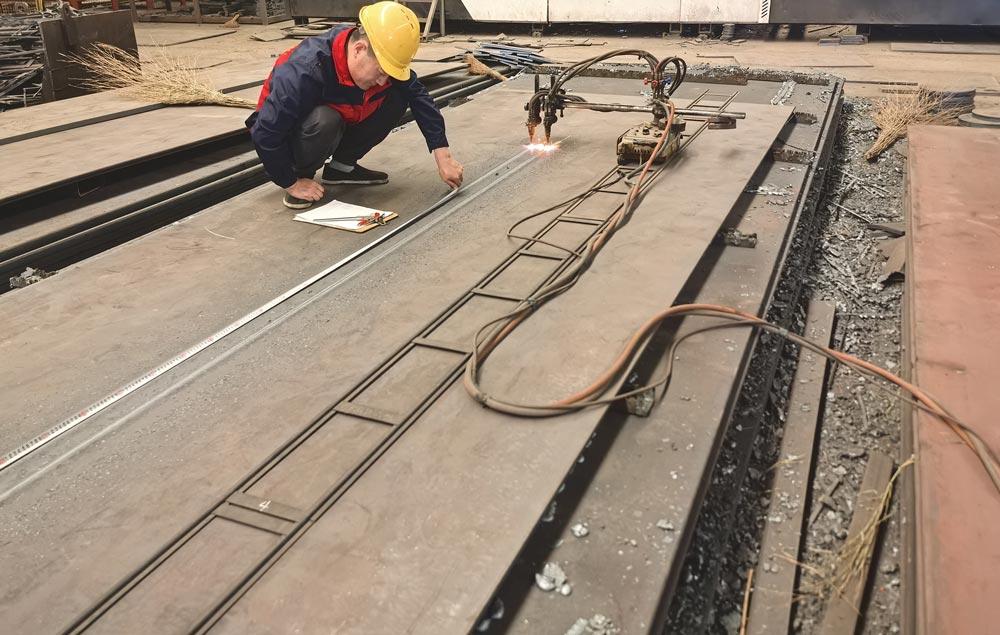
في الإنتاج الصناعي الحديث، أصبحت صفائح الخشب المضغوط مادة أساسية في صناعة الأثاث وهندسة البناء وصناعات التعبئة والتغليف.
تظهر تقارير الصناعة العالمية الأخيرة أن المواد الخشبية الهندسية تمثل أكثر من 70% من إنتاج الأثاث الضخم, استبدال الخشب الصلب التقليدي بسبب كفاءة التكلفة والاستقرار ومزايا الاستدامة.
تعتمد أنظمة الإنتاج اليوم بشكل كبير على المكابس الهيدروليكية الساخنة الآلية، وكيمياء الراتنج الدقيقة، وأنظمة المراقبة الرقمية لضمان الجودة المتسقة والإنتاج القابل للتطوير.
نظام المواد الخام الصناعية لألواح الخشب المضغوط
مصادر وتصنيف الألياف الخشبية
يتم إنتاج صفائح الخشب المضغوط باستخدام مصادر ألياف متعددة
- منتجات المنشرة الثانوية
- تسجيل المخلفات
- المواد الخشبية المعاد تدويرها
- رقائق الخشب الصناعية
معيار تصنيف جودة الألياف
| درجة | توحيد الألياف | طلب |
|---|---|---|
| قسط | ≥ 0.88 | أثاث راقي |
| صناعي | 0.70 "0.87" | الأثاث العام |
| المعاد تدويرها | ≥ 0.70 | لوحات التغليف |
يؤثر تجانس الألياف بشكل مباشر على قوة اللوحة النهائية ومقاومة التشوه.
أنظمة الراتنج والهندسة الكيميائية
يحدد الراتنج قوة الترابط والأداء البيئي.
تشمل أنواع الراتنج الشائعة ما يلي:
- راتنج UF (منخفض التكلفة، للاستخدام الداخلي)
- راتنج MUF (مقاومة متوازنة للرطوبة)
- راتينج PF (متانة عالية، استخدام خارجي)
أداء قوة السندات
| نوع الراتنج | القوة (MPa) | مقاومة الرطوبة |
|---|---|---|
| UF | 0.8 1.2 | قليل |
| MUF | 1.2 1.8 | واسطة |
| الجبهة الوطنية | 1.5 2.5 | عالي |
عملية التصنيع صفائح خشبية مضغوطة
مرحلة التجفيف والتحكم في الرطوبة
يضمن التجفيف الصناعي ظروفًا مستقرة للمواد الخام.
المعلمات الرئيسية:
- محتوى الرطوبة: 3% conart7%
- درجة حرارة التجفيف: 140° مئوية، 200° مئوية
- تحمل فقدان الطاقة: ≥4%
يعد التحكم غير السليم في الرطوبة سببًا رئيسيًا للتصفيح الداخلي.
عملية الخلط والطلاء بالراتنج
تقوم أنظمة المزج عالية السرعة بتوزيع الراتنج بالتساوي عبر الألياف.
مؤشر توحيد الطلاء (CUI)
- القيمة المثالية: ≥92%
- الحد الأدنى الصناعي: 85%
يضمن التوحيد العالي ترابطًا أقوى وجودة سطح أكثر سلاسة.
تشكيل الحصيرة وهندسة الكثافة
يتم وضع الألياف في طبقات في حصائر منظمة باستخدام آلات التشكيل الآلية.
تصميم هيكل الكثافة
- الطبقة السطحية: عالية الكثافة (القوة والصلابة)
- الطبقة الأساسية: منخفضة الكثافة (المرونة)
- الطبقة الانتقالية: متوسطة الكثافة (التوازن)
يعمل هذا النظام ذو الطبقات على تحسين قوة تثبيت المسمار ومقاومة الانحناء.
تقنية الضغط الساخن (المرحلة الأساسية)
هذه هي المرحلة الأكثر أهمية في إنتاج صفائح الخشب المضغوط.
المعلمات الصناعية:
- درجة الحرارة: 170° مئوية، 235° مئوية
- الضغط: 3.7 ميجا باسكال
- وقت الضغط: 180.480 ثانية
معيار التوحيد الحراري
- انحراف درجة الحرارة: ≥ ±2.5°C
- انحراف الضغط: ≥3%
تضمن هذه التفاوتات معالجة متسقة في جميع المجالات.
التبريد وتثبيت الإجهاد
تعمل أنظمة التبريد على تقليل التوتر الداخلي بعد الضغط.
- مدة التبريد: 12.30 دقيقة
- تحسين دقة الأبعاد: ±0.3 مم
- تقليل التوتر: ما يصل إلى 60%
القطع باستخدام الحاسب الآلي وتشطيب السطح
تتم معالجة اللوحات النهائية باستخدام أنظمة القطع CNC.
تشمل التشطيبات الشائعة ما يلي:
- طلاء الأشعة فوق البنفسجية
- تصفيح الميلامين
- طبقات مقاومة للخدش
- العلاج بمثبطات الحريق
المعايير الدولية لألواح الخشب المضغوطة

إطار الامتثال
يجب أن يتبع التصنيع المعايير العالمية:
- ISO 16893 (تصنيف الألواح الحبيبية)
- EN 312 (المعيار الأوروبي)
- ASTM D1037 (الاختبار الميكانيكي)
- المرحلة الثانية من الكربوهيدرات (التحكم في الانبعاثات)
معايير انبعاث الفورمالديهايد
| معيار | حد الانبعاثات | منطقة |
|---|---|---|
| الكربوهيدرات P2 | ≥0.09 جزء في المليون | الولايات المتحدة الأمريكية |
| درجة E0 | ≥0.05 ملغم/م3 | آسيا |
| درجة E1 | ≥0.124 ملغم/م3 | أوروبا |
أصبح الامتثال البيئي الآن أحد متطلبات الشراء الرئيسية على مستوى العالم.
دراسة حالة صناعية: مصنع تصنيع عالي الحجم
نظرة عامة على الإنتاج
- الإنتاج السنوي: 400.000+ م3
- نظام الضغط: مكبس ساخن هيدروليكي 20 طبقة 24 بوصة
- مستوى الأتمتة: 85% reac90%
- تخفيض معدل الخلل: 4.0% → 1.0%
نتيجة التحسين
بعد دمج أنظمة التحكم في الضغط بالذكاء الاصطناعي:
- انخفض استهلاك الطاقة بحلول عام 20%+
- تحسن استقرار الإنتاج بشكل ملحوظ
هيكل تكلفة تصنيع صفائح الخشب المضغوط
نموذج توزيع التكلفة
| مكون | يشارك |
|---|---|
| المواد الخام | 42% |
| المواد الكيميائية الراتنجية | 23% |
| طاقة | 18% |
| تَعَب | 9% |
| صيانة | 8% |
نطاق الأسعار العالمية
- لوح الجسيمات: $130 nature$250/m³
- لوحة MDF: $260 بوصة$420/م3
- لوحات عالية الكثافة: $420 بوصة$700/م3
يختلف سعر السوق حسب درجة الراتنج ومستوى الكثافة.
اختبار الجودة ومعايير الأداء
الاختبارات الميكانيكية
تشمل الاختبارات الرئيسية ما يلي:
- معامل التمزق (MOR)
- قوة الرابطة الداخلية
- قوة عقد المسمار
المعايير القياسية:
- مور ≥12 ميجا باسكال
- الرابطة الداخلية ≥ 0.4 ميجا باسكال
اختبار مقاومة الرطوبة
- تورم السُمك (24 ساعة): ≥10%
- امتصاص الماء: ≥18%
- تحمل التزييف: ≥1.5 مم/م
المقارنة: الدرجة الصناعية مقابل الدرجة القياسية
| ميزة | الصف الصناعي | الصف القياسي |
|---|---|---|
| كثافة | دقة عالية | واسطة |
| عمر | 15-25 سنة | 5-10 سنوات |
| مقاومة الرطوبة | عالي | قليل |
| يكلف | أعلى | أقل |
الاستدامة والأثر البيئي
كفاءة إعادة التدوير
تحقق الأنظمة الحديثة:
- استخدام ما يصل إلى 85% من الخشب المعاد تدويره
- انخفاض كبير في الطلب على قطع الأشجار
تخفيض الكربون
يؤدي إنتاج الأخشاب هندسيًا إلى تقليل انبعاثات ثاني أكسيد الكربون عن طريق:
- 35% partin55% مقارنة بمعالجة الأخشاب الصلبة
اتجاهات تكنولوجيا التصنيع الذكية
فحص الجودة بالذكاء الاصطناعي
- دقة الكشف: 97% wonched99%
- مسح العيوب في الوقت الحقيقي لكل ورقة: <1 ثانية
أنظمة مراقبة إنترنت الأشياء
- دقة درجة الحرارة: ±1°C
- ضبط الضغط التلقائي في الوقت الحقيقي
- توفير الطاقة: 10% على متن الطائرة25%
اتجاهات السوق العالمية وتوقعات الصناعة
تشير الأوراق البيضاء للصناعة إلى:
- آسيا والمحيط الهادئ: 48%+ حصة الإنتاج العالمية
- معدل النمو السنوي المركب: ~6% سنويًا
- أكبر شريحة طلب: تصنيع الأثاث
تشمل محركات النمو ما يلي:
- التحضر
- أنظمة الأثاث المعيارية
- سياسات إصدار شهادات المباني الخضراء
مجالات تطبيق صفائح الخشب المضغوطة
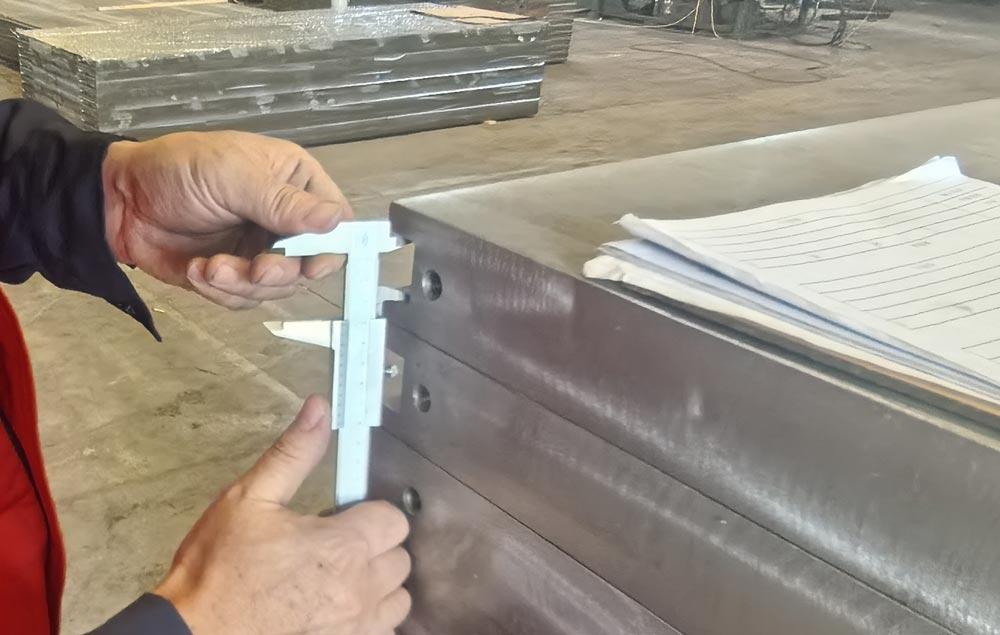
صناعة الأثاث
تستخدم في خزائن الملابس والخزائن والمكاتب وأنظمة المطبخ.
صناعة البناء
تستخدم لألواح الجدران وركائز الأرضيات والفواصل.
صناعة التغليف
تستخدم في صناديق التصدير وحلول التعبئة والتغليف الصناعية.
خاتمة
صفائح خشبية مضغوطة هي منتج أساسي لتكنولوجيا الخشب الحديثة الهندسية، وتجمع بين علوم المواد وأنظمة الضغط الهيدروليكي والتحكم الآلي في الإنتاج.
بدءًا من تصنيف الألياف وحتى أنظمة الضغط الساخن المعتمدة على الذكاء الاصطناعي، تم تصميم كل مرحلة لتحسين الاتساق وتقليل التكلفة وتعزيز الاستدامة.
مع استمرار ارتفاع الطلب العالمي على المواد الصديقة للبيئة والفعالة من حيث التكلفة، ستظل الألواح الخشبية الهندسية مادة أساسية في الأثاث والبناء وأنظمة التصنيع الصناعية.
التعليمات
مما تتكون صفائح الخشب المضغوط؟
وهي مصنوعة من ألياف الخشب والرقائق والراتنج المرتبطة بالحرارة والضغط.
هل هي قوية بما يكفي للأثاث؟
نعم، وخاصة ألواح MDF والألواح عالية الكثافة المستخدمة في الأثاث الإنشائي.
لماذا يتم استخدامها على نطاق واسع؟
لأنها فعالة من حيث التكلفة ومستقرة ومناسبة للإنتاج الضخم.
هل يمكن استخدامها في الهواء الطلق؟
فقط أنواع الراتنجات الفينولية المقاومة للرطوبة هي المناسبة.
كم من الوقت تستمر؟
عادة 10-25 سنة حسب الدرجة والبيئة.
 Arabic
  English
  Vietnamese