
News
How Pressed Wood Sheets Are Made: Industrial Process, Standards, and Global Manufacturing Insights
Welcome to My Blog!
I’m so glad you’re here. Before we dive into the content, I’d love to connect with you beyond this page. On my social media, I regularly share industry insights, product updates, and behind-the-scenes moments — plus, it’s a great place for us to interact!
Follow us on Facebook: Shandong Chuangxin Automation Equipment Co., Ltd
Let’s grow together and stay connected. Now, let’s jump into the blog — I hope you find the content informative, engaging, and truly valuable.
Table of Contents
Key Highlights of This Guide
- Complete industrial process of pressed wood sheets manufacturing
- Engineering principles behind density, resin bonding, and heat pressing
- Global standards, certifications, and compliance systems
- Real factory case data and production benchmarks
- Market trends, sustainability insights, and cost structure
Introduction
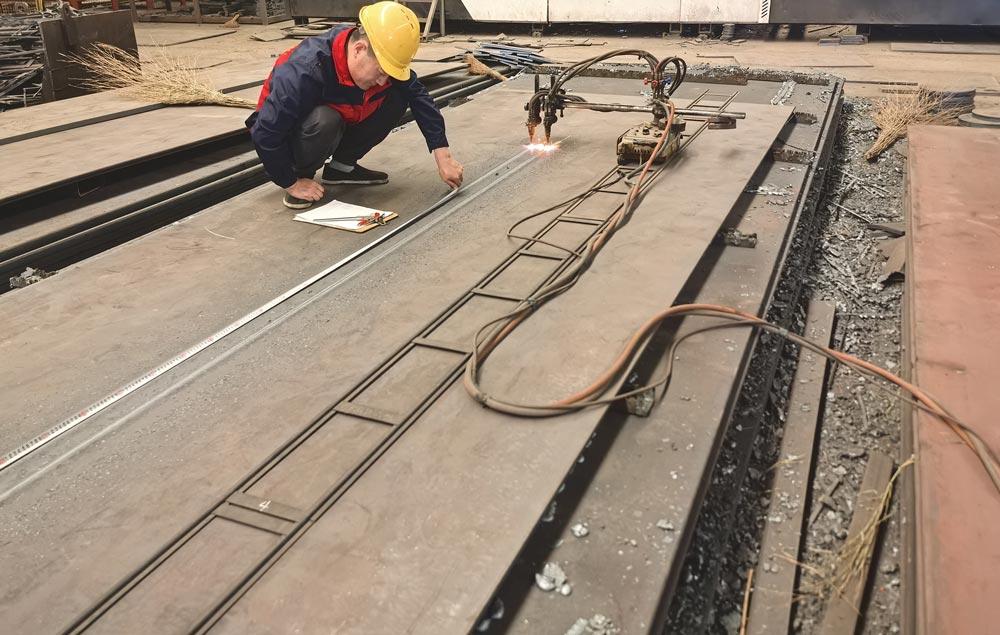
In modern industrial production, pressed wood sheets have become a core material across furniture manufacturing, construction engineering, and packaging industries.
Recent global industry reports show that engineered wood materials account for more than 70% of mass furniture production, replacing traditional solid wood due to cost efficiency, stability, and sustainability advantages.
Today’s production systems rely heavily on automated hydraulic hot presses, precision resin chemistry, and digital monitoring systems to ensure consistent quality and scalable output.
Industrial Raw Material System for Pressed Wood Sheets
Wood Fiber Sourcing and Classification
Pressed wood sheets are produced using multiple fiber sources:
- Sawmill by-products
- Logging residues
- Recycled wood materials
- Industrial wood chips
Fiber Quality Classification Standard
| Grade | Fiber Uniformity | Application |
|---|---|---|
| Premium | ≥ 0.88 | High-end furniture |
| Industrial | 0.70–0.87 | General furniture |
| Recycled | ≤ 0.70 | Packaging boards |
Fiber uniformity directly affects final board strength and deformation resistance.
Resin Systems and Chemical Engineering
Resin determines bonding strength and environmental performance.
Common resin types include:
- UF resin (low cost, indoor use)
- MUF resin (balanced moisture resistance)
- PF resin (high durability, outdoor use)
Bond Strength Performance
| Resin Type | Strength (MPa) | Moisture Resistance |
|---|---|---|
| UF | 0.8–1.2 | Low |
| MUF | 1.2–1.8 | Medium |
| PF | 1.5–2.5 | High |
Manufacturing Process of Pressed Wood Sheets
Drying and Moisture Control Stage
Industrial drying ensures stable raw material conditions.
Key parameters:
- Moisture content: 3%–7%
- Drying temperature: 140°C–200°C
- Energy loss tolerance: ≤4%
Improper moisture control is a major cause of internal delamination.
Mixing and Resin Coating Process
High-speed blending systems distribute resin evenly across fibers.
Coating Uniformity Index (CUI)
- Ideal value: ≥ 92%
- Industrial minimum: 85%
Higher uniformity ensures stronger bonding and smoother surface quality.
Mat Formation and Density Engineering
Fibers are layered into structured mats using automated forming machines.
Density Structure Design
- Surface layer: high density (strength & hardness)
- Core layer: low density (flexibility)
- Transition layer: medium density (balance)
This layered system improves screw-holding strength and bending resistance.
Hot Pressing Technology (Core Stage)
This is the most critical stage in pressed wood sheets production.
Industrial parameters:
- Temperature: 170°C–235°C
- Pressure: 3–7 MPa
- Pressing time: 180–480 seconds
Heat Uniformity Standard
- Temperature deviation: ≤ ±2.5°C
- Pressure deviation: ≤ 3%
These tolerances ensure consistent curing across the entire board.
Cooling and Stress Stabilization
Cooling systems reduce internal tension after pressing.
- Cooling duration: 12–30 minutes
- Dimensional accuracy improvement: ±0.3 mm
- Stress reduction: up to 60%
CNC Cutting and Surface Finishing
Final boards are processed using CNC cutting systems.
Common finishes include:
- UV coating
- Melamine lamination
- Scratch-resistant layers
- Fire-retardant treatment
International Standards for Pressed Wood Sheets

Compliance Framework
Manufacturing must follow global standards:
- ISO 16893 (particleboard grading)
- EN 312 (European standard)
- ASTM D1037 (mechanical testing)
- CARB Phase 2 (emission control)
Formaldehyde Emission Standards
| Standard | Emission Limit | Region |
|---|---|---|
| CARB P2 | ≤ 0.09 ppm | USA |
| E0 Grade | ≤ 0.05 mg/m³ | Asia |
| E1 Grade | ≤ 0.124 mg/m³ | Europe |
Environmental compliance is now a key purchasing requirement globally.
Industrial Case Study: High-Volume Manufacturing Plant
Production Overview
- Annual output: 400,000+ m³
- Press system: 20–24 layer hydraulic hot press
- Automation level: 85%–90%
- Defect rate reduction: 4.0% → 1.0%
Optimization Result
After integrating AI pressure control systems:
- Energy consumption reduced by 20%+
- Production stability improved significantly
Cost Structure of Pressed Wood Sheets Manufacturing
Cost Breakdown Model
| Component | Share |
|---|---|
| Raw materials | 42% |
| Resin chemicals | 23% |
| Energy | 18% |
| Labor | 9% |
| Maintenance | 8% |
Global Price Range
- Particle board: $130–$250/m³
- MDF board: $260–$420/m³
- High-density boards: $420–$700/m³
Market pricing varies depending on resin grade and density level.
Quality Testing and Performance Standards
Mechanical Testing
Key tests include:
- Modulus of rupture (MOR)
- Internal bond strength
- Screw holding strength
Standard Benchmarks:
- MOR ≥ 12 MPa
- Internal bond ≥ 0.4 MPa
Moisture Resistance Testing
- Thickness swelling (24h): ≤ 10%
- Water absorption: ≤ 18%
- Warping tolerance: ≤ 1.5 mm/m
Comparison: Industrial Grade vs Standard Grade
| Feature | Industrial Grade | Standard Grade |
|---|---|---|
| Density | High precision | Medium |
| Lifespan | 15–25 years | 5–10 years |
| Moisture resistance | High | Low |
| Cost | Higher | Lower |
Sustainability and Environmental Impact
Recycling Efficiency
Modern systems achieve:
- Up to 85% recycled wood usage
- Significant reduction in logging demand
Carbon Reduction
Engineered wood production reduces CO₂ emissions by:
- 35%–55% compared to solid wood processing
Smart Manufacturing Technology Trends
AI Quality Inspection
- Detection accuracy: 97%–99%
- Real-time defect scanning per sheet: <1 second
IoT Monitoring Systems
- Temperature precision: ±1°C
- Pressure auto-adjustment in real time
- Energy saving: 10%–25%
Global Market Trends and Industry Outlook
Industry whitepapers indicate:
- Asia-Pacific: 48%+ global production share
- CAGR: ~6% annually
- Largest demand segment: furniture manufacturing
Growth drivers include:
- Urbanization
- Modular furniture systems
- Green building certification policies
Application Fields of Pressed Wood Sheets
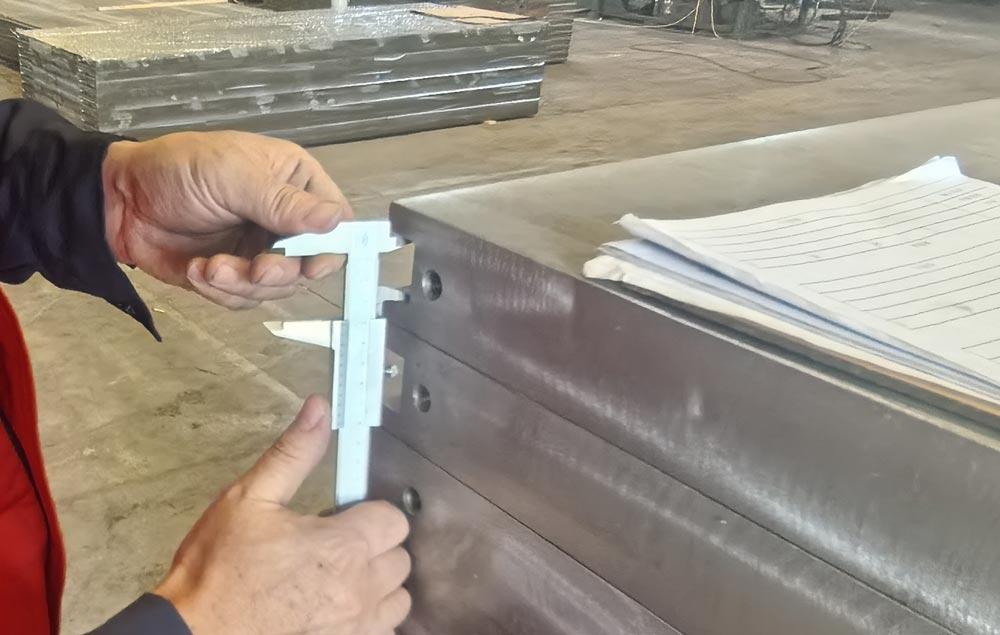
Furniture Manufacturing
Used in wardrobes, cabinets, desks, and kitchen systems.
Construction Industry
Used for wall panels, flooring substrates, and partitions.
Packaging Industry
Used in export crates and industrial packaging solutions.
Conclusion
Pressed wood sheets are a core product of modern engineered wood technology, combining material science, hydraulic pressing systems, and automated production control.
From fiber classification to AI-driven hot pressing systems, every stage is designed to improve consistency, reduce cost, and enhance sustainability.
As global demand for eco-friendly and cost-efficient materials continues to rise, engineered wood panels will remain a foundational material in furniture, construction, and industrial manufacturing systems.
FAQ
What are pressed wood sheets made of?
They are made from wood fibers, chips, and resin bonded under heat and pressure.
Are they strong enough for furniture?
Yes, especially MDF and high-density boards used in structural furniture.
Why are they widely used?
Because they are cost-efficient, stable, and suitable for mass production.
Can they be used outdoors?
Only moisture-resistant phenolic resin types are suitable.
How long do they last?
Typically 10–25 years depending on grade and environment.
 English
  Vietnamese
  Arabic