
أخبار
نصائح لشراء مكبس الترقق: دليل المشتري الصناعي الكامل لتصنيع الألواح الخشبية
مرحباً بكم في مدونتي!
يسعدني جدًا وجودك هنا. قبل أن نتعمق في المحتوى، يسعدني التواصل معك عبر هذه الصفحة. أشارك بانتظام رؤىً حول الصناعة، وتحديثاتٍ حول المنتجات، ولحظاتٍ من وراء الكواليس على حساباتي على مواقع التواصل الاجتماعي، كما أنها منصةٌ رائعةٌ للتواصل!
تابعونا على الفيسبوك: شركة شاندونغ تشوانغشين لمعدات الأتمتة المحدودة
لننمو معًا ونبقى على تواصل. والآن، لننتقل إلى المدونة - آمل أن تجدوا محتواها غنيًا بالمعلومات، وجذابًا، وقيّمًا حقًا.
جدول المحتويات
أهم النقاط
- مكبس الترقق هو المعدات الأساسية في خطوط إنتاج الألواح الخشبية الحديثة
- يعتمد الأداء على الضغط وتوحيد درجة الحرارة ومستوى الأتمتة
- تخدم أنواع الصحافة المختلفة (الساخنة والباردة والمستمرة) سيناريوهات صناعية مختلفة
- تشمل التكلفة الإجمالية استهلاك الطاقة والصيانة وكفاءة الإنتاج وليس فقط سعر الشراء
- تؤثر المعايير العالمية مثل EN 12781 وأنظمة الجودة المستندة إلى ISO على اختيار الماكينة
- يمكن أن يؤدي الاختيار الصحيح إلى تحسين معدل الإنتاجية بمقدار 10 بوصات 25% وتقليل هدر المواد اللاصقة بشكل كبير
- يتأثر عائد الاستثمار على المدى الطويل بشكل كبير بالأتمتة واستقرار النظام الهيدروليكي
مقدمة
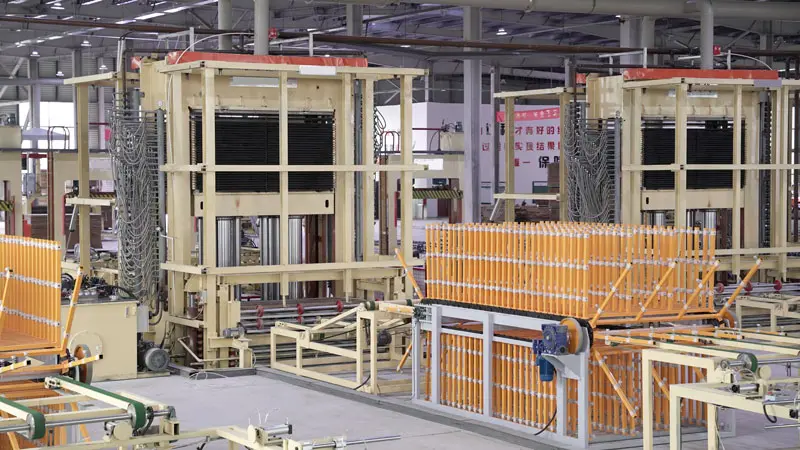
في تصنيع الألواح الخشبية الحديثة، الصحافة الترقق ليست مجرد قطعة من المعدات، فهي المحدد الأساسي لجودة المنتج، وكفاءة الإنتاج، والربحية على المدى الطويل. سواء كنت تنتج ألواح MDF، أو الخشب الرقائقي، أو ألواح HPL، أو الأسطح المصفحة المزخرفة، فإن عملية الضغط تحدد بشكل مباشر قوة الترابط، وتسطيح السطح، ومعدل الخلل.
تشير تقارير الصناعة الصادرة عن جمعيات الآلات الخشبية العالمية إلى أن الأمر انتهى 60% من عيوب الإنتاج في مصانع الألواح تنشأ من ظروف الضغط غير المتسقة, ، وليس المواد الخام. وهذا يجعل مكبس التصفيح أحد أهم القرارات الاستثمارية للمصنعين.
وفي الوقت نفسه، يستمر الطلب العالمي على المنتجات الخشبية الهندسية في النمو. وفقًا لأبحاث السوق المنشورة في عام 2025، من المتوقع أن يحافظ السوق العالمي لآلات الألواح الخشبية على معدل نمو سنوي مركب يبلغ حوالي 5.8% من 2024 إلى 2030, مدفوعة بالبناء وتصنيع الأثاث وتوسيع المساكن الجاهزة.
وفي هذا السياق، فإن اختيار مكبس التصفيح المناسب ليس مجرد قرار شراء، بل هو استراتيجية إنتاج طويلة المدى.
ما هي مكبس الترقق في الأنظمة الصناعية الحديثة
مكبس التصفيح هو نظام هيدروليكي أو ميكانيكي مصمم لربط طبقات متعددة من المواد تحت درجة حرارة وضغط ودورات زمنية يمكن التحكم فيها. يستخدم على نطاق واسع في:
- إنتاج الألواح الليفية متوسطة الكثافة (MDF)
- تصنيع الخشب الرقائقي
- معالجة سطح HPL (صفائح الضغط العالي)
- إنتاج ألواح الأثاث المزخرفة
- صناعات ربط المواد المركبة
مبدأ العمل الأساسي لمكبس الترقق
تتضمن العملية عادةً ما يلي:
- تفعيل نظام التدفئة (الزيت الحراري أو لوحات التدفئة الكهربائية)
- تطبيق الضغط الهيدروليكي (عادة 5 درجات 25 ميجا باسكال حسب نوع المنتج)
- معالجة المادة اللاصقة تحت درجة حرارة يمكن التحكم فيها (نطاق 120° درجة مئوية، 220° درجة مئوية)
- مرحلة التبريد والاستقرار
لماذا يهم التحكم في العمليات
حتى أ 2° درجة الحرارة الانحراف أو 5% عدم استقرار الضغط يمكن أن يؤدي إلى:
- عيوب التصفيح
- تقرحات سطحية
- سمك اللوحة غير متساوي
- انخفاض القوة الميكانيكية
ولهذا السبب تم تجهيز أنظمة ضغط التصفيح الصناعية بأنظمة التحكم PLC وأجهزة الاستشعار الدقيقة.
نصائح شراء الصحافة التصفيح على أساس المعايير الصناعية
عند تقييم مكبس التصفيح، لا ينبغي للمشترين الاعتماد فقط على السعر أو سمعة العلامة التجارية. وبدلاً من ذلك، يجب عليهم تحليل التصميم الهيكلي ومستوى الأتمتة والامتثال لمعايير التصنيع الدولية.
المعايير الدولية الرئيسية ذات الصلة بتصفيح معدات الصحافة
غالبًا ما تتبع خطوط الإنتاج الحديثة هذه المعايير
- EN 12781 (الألواح الخشبية 5 متطلبات جودة الضغط)
- ISO 2426 (طرق اختبار ثبات أبعاد اللوحة)
- توجيه آلات CE 2006/42/EC
- الامتثال لنظام جودة التصنيع ISO 9001
تضمن هذه المعايير:
- توزيع الضغط الموحد
- تشغيل النظام الهيدروليكي الآمن
- الامتثال لكفاءة الطاقة
- جودة إنتاج متكررة
المعلمات التقنية التي تحدد الصحافة الترقق أداء
أداء نظام الضغط
تعمل أنظمة ضغط التصفيح الصناعية عادةً في:
- أنظمة الخدمة الخفيفة: 5 بوصة 10 ميجا باسكال
- الأنظمة المتوسطة: 10.20 ميجا باسكال
- الأنظمة الصناعية الثقيلة: 20 بوصة 25 ميجا باسكال
مطلوب ضغط أعلى للمواد الكثيفة مثل HPL والخشب الرقائقي متعدد الطبقات.
دقة التحكم في درجة الحرارة
صيانة الأنظمة المتطورة:
- دقة درجة الحرارة ±1°C (الأنظمة المتميزة)
- ±3°C الأنظمة الصناعية القياسية
تضمن درجة الحرارة المستقرة معالجة لاصقة متسقة وتقلل من معدل الخلل.
استقرار النظام الهيدروليكي
يتضمن النظام الهيدروليكي عالي الجودة ما يلي:
- مزامنة متعددة الأسطوانات
- نظام مانع للتسرب
- حلقة التحكم في ردود الفعل الضغط
يُظهر اختبار الصناعة أن الأنظمة الهيدروليكية المتزامنة تعمل على تحسين تجانس اللوحة بما يصل إلى 18% مقارنة بالأنظمة أحادية الأسطوانة.
أنواع مكابس الترقق والتطبيقات الصناعية
أنظمة ضغط الترقق الساخن
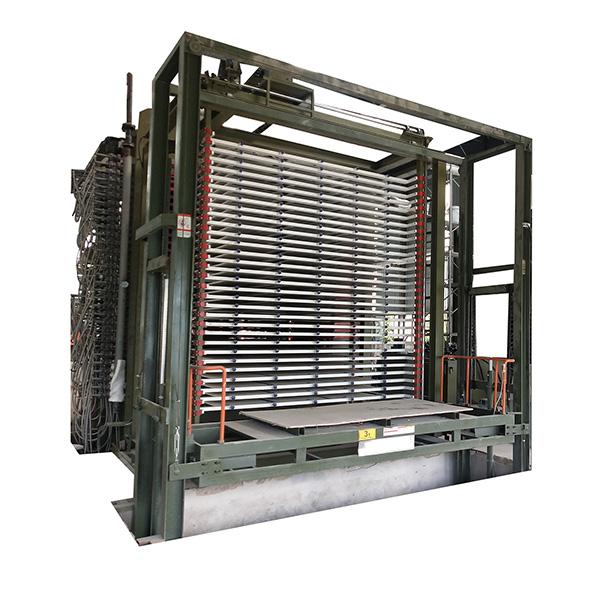
أنظمة الضغط الساخن هي الأكثر استخدامًا على نطاق واسع في إنتاج الألواح الصناعية.
الخصائص النموذجية:
- نطاق درجة الحرارة: 120° مئوية، 220° مئوية
- قوة ترابط عالية
- مناسبة لألواح MDF والخشب الرقائقي والقشرة
أنظمة ضغط الترقق البارد
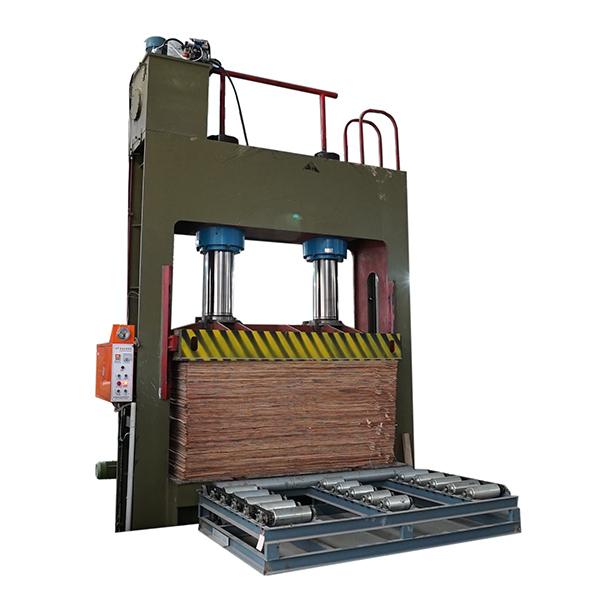
تُستخدم المكابس الباردة بشكل أساسي للضغط المسبق والربط المؤقت.
المزايا:
- استهلاك منخفض للطاقة
- هيكل بسيط
- انخفاض تكلفة الصيانة
القيود:
- انخفاض قوة الترابط النهائية
- يتطلب معالجة ثانوية
أنظمة الصحافة الترقق المستمر
تمثل المطابع المستمرة الحل الصناعي الأكثر تقدمًا.
الميزات الرئيسية:
- التكامل المستمر لخط الإنتاج
- التغذية والضغط الآلي بالكامل
- قدرة إنتاجية عالية
يمكن زيادة كفاءة الإنتاج بنسبة 30poretion50% مقارنة بأنظمة الضغط الدفعي.
جدول مقارنة تكنولوجيا الصحافة التصفيح
| نوع النظام | كفاءة | استخدام الطاقة | تكلفة الاستثمار | التطبيق المثالي |
|---|---|---|---|---|
| مكبس ساخن | واسطة | عالي | واسطة | MDF، الخشب الرقائقي |
| الضغط البارد | قليل | قليل | قليل | الضغط المسبق |
| الصحافة المستمرة | مرتفع جداً | واسطة | عالي | الإنتاج الضخم |
تحليل هيكل التكلفة لتصفيح الاستثمار الصحفي
تكلفة شراء المعدات
التكلفة الأولية تعتمد على:
- حجم الضغط (4×8 قدم، 5×10 قدم، تنسيقات مخصصة)
- مستوى الأتمتة
- تصميم النظام الهيدروليكي
- تكنولوجيا التدفئة
تكلفة الطاقة التشغيلية
يمثل استهلاك الطاقة عادة ما يلي:
- 25% (40% من إجمالي تكلفة الإنتاج في أنظمة الضغط الساخن
يمكن للأنظمة الموفرة للطاقة أن تقلل الاستهلاك عن طريق 15 تش30%.
عوامل تكلفة الصيانة
تشمل مكونات الصيانة الرئيسية ما يلي:
- استبدال الزيت الهيدروليكي (كل 6 أشهر و12 شهرًا)
- معايرة سطح اللوحة
- فحص نظام التدفئة
- تحديثات الاستشعار وPLC
يؤدي سوء الصيانة إلى زيادة مخاطر التوقف عن العمل بنسبة تصل إلى 20% سنويا.
دراسة حالة الصناعة: تأثير ترقية الصحافة التصفيحية
قامت إحدى الشركات المصنعة لألواح الأثاث في جنوب شرق آسيا بالترقية من مكبس ساخن قياسي إلى خط مكبس تصفيح آلي.
قبل الترقية:
- معدل الخلل: 8.2%
- كفاءة الإخراج: 1200 لوحة/يوم
- استهلاك الطاقة: تقلب كبير
بعد الترقية:
- تم تخفيض معدل الخلل إلى: 3.1%
- ارتفع الإنتاج إلى: 1،650 لوحة/يوم
- توفير الطاقة: ~22%
عوامل التحسين الرئيسية:
- نظام الضغط الذي يتم التحكم فيه بواسطة PLC
- تعديل درجة الحرارة في الوقت الحقيقي
- مزامنة هيدروليكية متعددة الطبقات
وهذا يوضح كيف يؤثر تصفيح تحديث الصحافة بشكل مباشر على الربحية.
اتجاهات الصناعة العالمية في الصحافة الترقق تكنولوجيا
تكامل التصنيع الذكي
تشمل أنظمة ضغط التصفيح الحديثة بشكل متزايد ما يلي:
- أنظمة المراقبة القائمة على إنترنت الأشياء
- التشخيص عن بعد
- تحسين الضغط القائم على الذكاء الاصطناعي
تحسينات كفاءة الطاقة
تركز أنظمة الجيل الجديد على:
- تقليل عزل فقدان الحرارة
- مضخات هيدروليكية منخفضة الطاقة
- أنظمة استعادة الحرارة
رؤية أخبار السوق (اتجاه الصناعة 2025)
تشير الأوراق البيضاء الحديثة للصناعة إلى ما يلي:
- زيادة الطلب على خطوط إنتاج الألواح الآلية في آسيا
- تزايد الاستثمار في أنظمة المواد اللاصقة الصديقة للبيئة
- التحول نحو تصميم مكبس التصفيح المعياري للمصانع المرنة
أخطاء شراء الصحافة التصفيح الشائعة
الاختيار على أساس السعر فقط
غالبًا ما تفتقر الآلات منخفضة التكلفة إلى:
- الأنظمة الهيدروليكية المستقرة
- التحكم الدقيق في درجة الحرارة
- متانة طويلة الأمد
تجاهل مقياس الإنتاج
عدم التطابق بين القدرة والطلب يؤدي إلى:
- اختناقات الإنتاج
- الزائد المعدات
- انخفاض عمر الخدمة
تطل على توفر قطع الغيار
يجب على المورد الموثوق توفير:
- التسليم السريع للمكونات الهيدروليكية
- بدائل لوحة التدفئة
- ترقيات نظام التحكم
تصفيح استراتيجية اختيار الصحافة للمشترين
سيناريو ورشة عمل صغيرة
التكوين الموصى به:
- مكبس ساخن نصف أوتوماتيكي
- نظام الحمولة المنخفضة
- تصميم بصمة مدمجة
سيناريو المصنع المتوسط
التكوين الموصى به:
- الصحافة الساخنة التي تسيطر عليها PLC
- نظام ضغط متعدد الطبقات
- مستوى أتمتة معتدل
سيناريو المنشآت الصناعية الكبيرة
التكوين الموصى به:
- خط ضغط مستمر مؤتمت بالكامل
- أنظمة النقل المتكاملة
- منصة مراقبة ذكية
نموذج حساب عائد الاستثمار للصحافة التصفيحية
يتضمن تقييم عائد الاستثمار المبسط ما يلي
- زيادة إنتاج الإنتاج
- خفض تكلفة الطاقة
- توفير تكاليف العمالة
- تخفيض معدل الخلل
تظهر معايير الصناعة:
- فترة الاسترداد: 18-36 شهرًا للأنظمة المتوسطة إلى المتطورة
- تحسين عائد الاستثمار: 20 porach5% حسب مستوى الأتمتة
الاعتبارات البيئية والاستدامة
تدعم أنظمة ضغط التصفيح الحديثة بشكل متزايد:
- عمليات معالجة المواد اللاصقة منخفضة الانبعاثات
- أنظمة التدفئة الموفرة للطاقة
- انخفاض انبعاثات الفورمالديهايد في إنتاج MDF
لقد أصبح الامتثال البيئي مطلباً إلزامياً في أوروبا وأمريكا الشمالية، مما يجعل أنظمة الصحافة المستدامة ضرورة استثمارية طويلة الأجل.
التعليمات
ما هي الصناعات التي تستخدم أ الصحافة الترقق?
يتم استخدامه على نطاق واسع في صناعة الأثاث، وإنتاج الخشب الرقائقي، ومعالجة ألواح MDF، وصناعات تصفيح الأسطح الزخرفية.
ما هو نطاق الضغط المطلوب للاستخدام الصناعي؟
تعمل معظم الأنظمة الصناعية بين 5 و25 ميجا باسكال اعتمادًا على كثافة المواد وتطبيقها.
كم من الوقت تستمر مكبس الترقق؟
مع الصيانة المناسبة، يتراوح عمر الخدمة عادة من 10 إلى 20 سنة.
هل الأتمتة ضرورية للمصانع الصغيرة؟
ليست إلزامية، ولكن الأتمتة تعمل على تحسين الاتساق بشكل كبير وتقليل الاعتماد على العمالة.
ما هو العامل الأكثر أهمية عند شراء مكبس الترقق؟
يعد استقرار الضغط ودقة التحكم في درجة الحرارة وجودة النظام الهيدروليكي من أهم العوامل.
خاتمة
اختيار الحق الصحافة الترقق هو قرار استراتيجي يؤثر بشكل مباشر على جودة الإنتاج والكفاءة التشغيلية والقدرة التنافسية على المدى الطويل. لم تعد الأنظمة الحديثة عبارة عن مكابس ميكانيكية بسيطة، بل أصبحت منصات إنتاج ذكية تدمج المكونات الهيدروليكية والتحكم الحراري والأتمتة ومراقبة البيانات.
بالنسبة للمصنعين الذين يهدفون إلى توسيع نطاق الإنتاج أو تحسين اتساق المنتج، فإن الاستثمار في نظام ضغط التصفيح عالي الأداء ليس اختياريًا، فهو ضروري للحفاظ على القدرة التنافسية في صناعة الألواح الخشبية العالمية.
 Arabic
  English
  Vietnamese