
أخبار
دليل آلة الضغط الساخن للخشب الرقائقي: دليل صناعي كامل لتصنيع الخشب الرقائقي الحديث
مرحباً بكم في مدونتي!
يسعدني جدًا وجودك هنا. قبل أن نتعمق في المحتوى، يسعدني التواصل معك عبر هذه الصفحة. أشارك بانتظام رؤىً حول الصناعة، وتحديثاتٍ حول المنتجات، ولحظاتٍ من وراء الكواليس على حساباتي على مواقع التواصل الاجتماعي، كما أنها منصةٌ رائعةٌ للتواصل!
تابعونا على الفيسبوك: شركة شاندونغ تشوانغشين لمعدات الأتمتة المحدودة
لننمو معًا ونبقى على تواصل. والآن، لننتقل إلى المدونة - آمل أن تجدوا محتواها غنيًا بالمعلومات، وجذابًا، وقيّمًا حقًا.
جدول المحتويات
الوجبات الرئيسية لهذه المادة
- فهم كيف أ آلة الضغط الساخن للخشب الرقائقي يعمل في إنتاج الخشب الرقائقي الصناعي
- تعلم الهيكل الأساسي والنظام الهيدروليكي وتقنيات التدفئة
- قارن بين أنظمة الضغط الساخن أحادية الطبقة ومتعددة الطبقات
- مراجعة المواصفات الفنية والمعايير الصناعية
- تقييم كفاءة الإنتاج وهيكل التكلفة ومنطق عائد الاستثمار
- فهم تطبيقات العالم الحقيقي في صناعات الأثاث والبناء
- استكشف الأسئلة الشائعة الموجهة للمشتري بناءً على نية البحث الحقيقية
ما هو آلة الضغط الساخن للخشب الرقائقي?
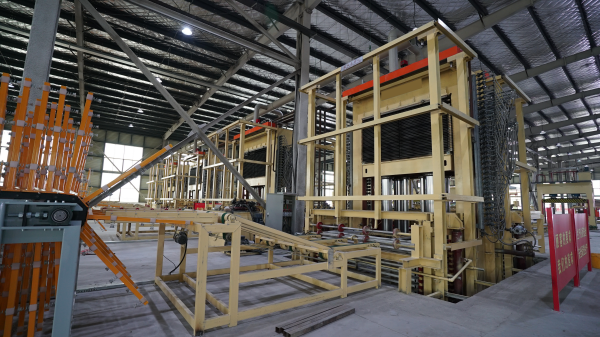
التعريف الصناعي
آلة الضغط الساخن للخشب الرقائقي هي أحد المعدات الأساسية في تصنيع الخشب الرقائقي الذي يربط طبقات القشرة المتعددة تحت الحرارة والضغط المتحكم فيهما. يقوم بتنشيط الراتنج اللاصق وتحويل أكوام القشرة السائبة إلى ألواح هندسية صلبة تستخدم في صناعات الأثاث والبناء والأرضيات.
هذه المعدات ضرورية لأنها تحدد بشكل مباشر:
- قوة الترابط
- التسطيح السطحي
- الكثافة الهيكلية
- متانة طويلة الأمد
المفهوم الوظيفي الأساسي
نظام التنشيط الحراري
يتم تطبيق الحرارة من خلال ألواح فولاذية لتنشيط المعالجة اللاصقة، عادةً في حدود 120° مئوية و160° مئوية اعتمادًا على نوع الراتنج.
نظام الضغط الهيدروليكي
يضغط الضغط الهيدروليكي مداخن القشرة في هيكل لوحي كثيف ومستقر، مما يضمن ترابطًا موحدًا عبر السطح بأكمله.
عملية الاستقرار الهيكلي
بعد الضغط، يعمل التبريد على تثبيت الضغط الداخلي ويمنع التزييف أو التشوه أثناء التخزين والاستخدام.
مبدأ عمل آلة الضغط الساخن للخشب الرقائقي
كيف تعمل آلة الضغط الساخن للخشب الرقائقي
ال آلة الضغط الساخن للخشب الرقائقي يطبق الحرارة والضغط المتزامنين على طبقات القشرة المكدسة، ويحولها إلى لوحة من الخشب الرقائقي الصلب من خلال المعالجة اللاصقة والضغط.
تدفق العملية الرئيسية
- تحضير القشرة وتجفيفها
- طلاء الغراء وتطبيق الراتنج
- تكديس الطبقة ومحاذاة
- الضغط الساخن تحت الضغط الهيدروليكي
- المعالجة الحرارية والترابط
- التبريد والاستقرار
- القطع والتشطيب
مفاهيم العمل الفني
آلية النقل الحراري
يتم نقل الحرارة من خلال ألواح فولاذية سميكة باستخدام أنظمة الزيت الحراري أو البخار، مما يضمن توزيعًا موحدًا لدرجة الحرارة عبر جميع الطبقات.
التحكم في الضغط الهيدروليكي
تحافظ الأسطوانات الهيدروليكية المتعددة على قوة ثابتة لتجنب مشكلات السُمك أو التصفيح غير المتساوية.
نظرة عامة على هيكل آلة الضغط الساخن للخشب الرقائقي
مكونات النظام الرئيسية
| مكون | وظيفة | أهمية |
|---|---|---|
| إطار فولاذي | الدعم الهيكلي | حرجة |
| الأسطوانات الهيدروليكية | توليد القوة الضاغطة | حرجة |
| أطباق ساخنة | سطح نقل الحرارة | حرجة |
| نظام التحكم PLC | التحكم الآلي | عالي |
| نظام التدفئة | إمدادات الطاقة الحرارية | عالي |
| نظام التغذية | التعامل مع المواد | واسطة |
مفهوم التصميم الهندسي
هيكل إطار شديد التحمل
تم بناء الإطار باستخدام ألواح فولاذية عالية السماكة (عادة 40 مم) لتحمل أحمال الضغط طويلة المدى دون تشوه.
معيار التصنيع الدقيق
يتم تشكيل الأسطح الحرجة بدقة عالية للحفاظ على تسطيح اللوح ضمن مسافة تسامح تبلغ ±0.1 مم.
المواصفات الفنية لآلة الضغط الساخن للخشب الرقائقي (مثال صناعي)
نموذج قياسي متعدد الألواح 600T
| المعلمة | مواصفة |
|---|---|
| الضغط الكلي | 600 طن |
| حجم الأسطوانة | 1370 × 2700 ملم |
| عدد الألواح | 11 طبقة |
| سمك الصوانى | 42 ملم |
| طريقة التسخين | الزيت الحراري |
| الضغط الهيدروليكي | 26 ميجا باسكال |
| نظام التحكم | التحكم الآلي PLC |
| دقة التسطيح | ≥ 0.1 ملم |
| إجمالي الطاقة | 29.5 كيلو واط |
التفسير الفني
تصميم سعة الضغط
تضمن سعة الضغط 600 طن ضغطًا مستقرًا لألواح الخشب الرقائقي المتوسطة والكبيرة في الإنتاج الصناعي.
نظام تسخين الزيت الحراري
يوفر الزيت الحراري توزيعًا مستقرًا وموحدًا للحرارة، مما يقلل من تقلبات درجات الحرارة خلال دورات الإنتاج الطويلة.
أنواع أنظمة آلات الضغط الساخن للخشب الرقائقي
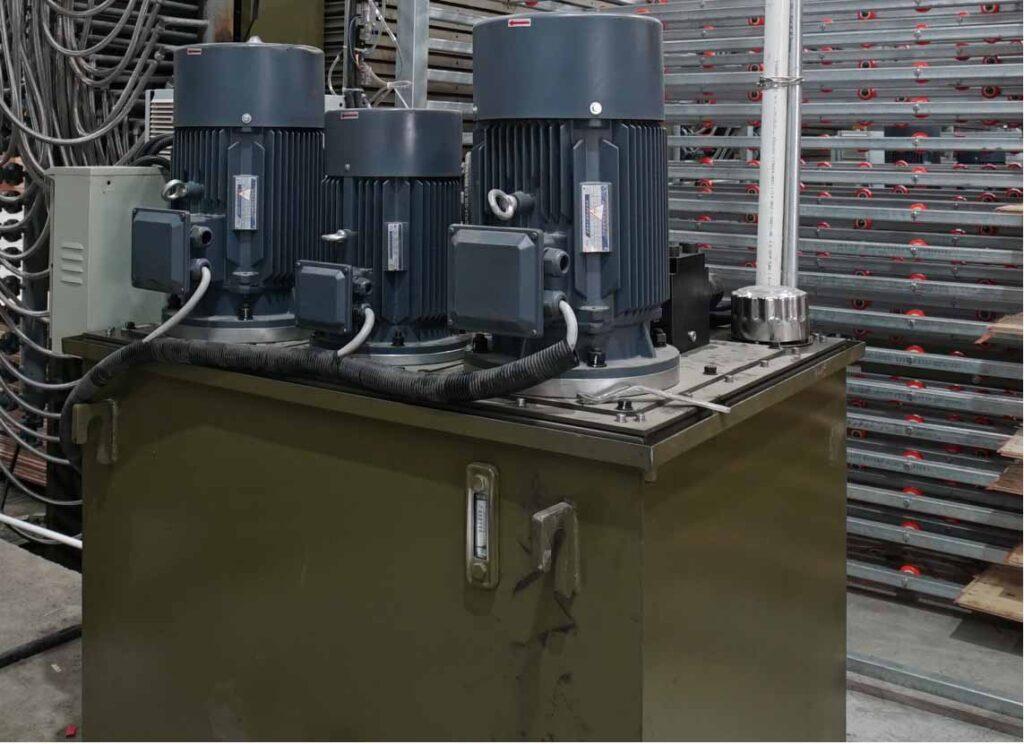
آلة الضغط الساخن ذات الطبقة الواحدة
شرح المفهوم
يضغط نظام الطبقة الواحدة على لوح واحد من الخشب الرقائقي في كل دورة، وهو مناسب لبيئات الإنتاج الصغيرة.
الميزات الرئيسية
- انخفاض تكلفة الاستثمار
- هيكل بسيط
- صيانة أسهل
آلة الضغط الساخن متعددة الطبقات
شرح المفهوم
يقوم نظام متعدد الطبقات بالضغط على ألواح الخشب الرقائقي المتعددة في وقت واحد، مما يزيد بشكل كبير من إنتاج الإنتاج.
الميزات الرئيسية
- كفاءة إنتاج عالية
- تقليل وقت الدورة
- مناسبة للتصنيع الضخم
جدول المقارنة
| ميزة | طبقة واحدة | متعدد الطبقات |
|---|---|---|
| كفاءة الإنتاج | واسطة | مرتفع جداً |
| تكلفة الاستثمار | قليل | عالي |
| مستوى الأتمتة | واسطة | عالي |
| متطلبات العمالة | أعلى | أقل |
| أفضل حالة استخدام | مصانع صغيرة | الإنتاج الصناعي |
مفهوم آلة الضغط الساخن للخشب الرقائقي عالي الطبقة
تقنية الضغط متعدد الطبقات
تعريف النظام
تم تصميم آلة الضغط الساخن عالية الطبقة للضغط على 10 أكوام من القشرة 20 في وقت واحد تحت التحكم الهيدروليكي المتزامن.
الميزة التشغيلية
يعمل هذا التصميم على تحسين كفاءة الإنتاج بشكل كبير مع الحفاظ على جودة الترابط الموحدة عبر جميع الطبقات.
مفهوم الاستقرار الهيكلي
نظام توازن الضغط
تقوم الأنظمة الهيدروليكية بتوزيع الضغط بالتساوي عبر جميع الألواح لتجنب اختلاف السُمك.
آلية مزامنة الطبقة
تتلقى كل طبقة ظروف حرارة وضغط متطابقة لضمان جودة المنتج المتسقة.
نظام تكامل خط الإنتاج
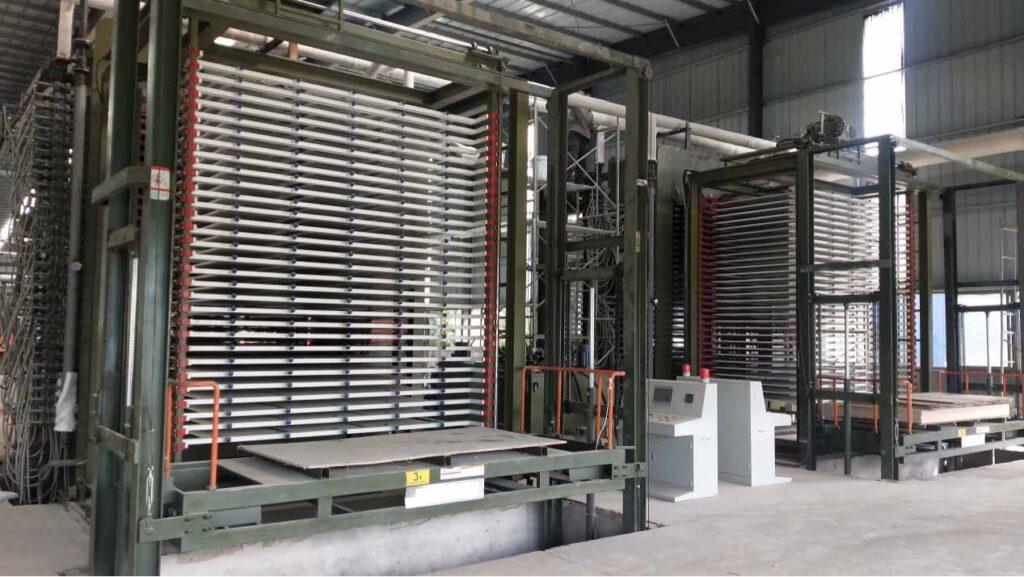
سير عمل تصنيع الخشب الرقائقي الكامل
تحضير القشرة
يتم تقشير جذوع الأشجار إلى صفائح رقيقة وتجفيفها لتحقيق محتوى الرطوبة الأمثل (عادةً 8% على 12%).
تطبيق الغراء
يتم تطبيق الراتنج اللاصق باستخدام أنظمة الطلاء الأسطوانية للتوزيع الموحد.
مرحلة الضغط الساخن
هذه هي المرحلة الأساسية حيث تقوم آلة الضغط الساخن بالخشب الرقائقي بربط جميع الطبقات في لوحة واحدة.
عملية التبريد
يتم تبريد الألواح للتخلص من الضغط الداخلي وتثبيت الهيكل.
القطع والتشطيب
يتم تقليم الألواح النهائية إلى أحجام صناعية قياسية مثل 1220 × 2440 مم.
مزايا الأداء آلة الضغط الساخن للخشب الرقائقي
كفاءة الإنتاج
تعمل الأنظمة متعددة الطبقات على زيادة الإنتاج بشكل كبير عن طريق معالجة لوحات متعددة في دورة واحدة، مما يقلل من إجمالي وقت الإنتاج.
اتساق الجودة
تضمن الحرارة والضغط الموحدان ترابطًا قويًا وتقليل العيوب مثل التقرحات أو التصفيح.
تحسين التكلفة
تعمل الأتمتة على تقليل الاعتماد على العمالة وهدر المواد، مما يحسن ربحية المصنع بشكل عام.
آلة الضغط الساخن للخشب الرقائقي مقابل آلة الضغط البارد
المقارنة الوظيفية
| ميزة | آلة الضغط الساخن | آلة الضغط البارد |
|---|---|---|
| تطبيق الحرارة | نعم | لا |
| قوة السندات | عالي | واسطة |
| سرعة الإنتاج | سريع | بطيء |
| الاستخدام الصناعي | الإنتاج الضخم | الضغط المسبق |
اختلاف المفهوم
تكنولوجيا الصحافة الساخنة
يستخدم الحرارة والضغط لتسريع معالجة المواد اللاصقة وإنشاء ترابط دائم.
تكنولوجيا الضغط البارد
يطبق الضغط فقط، ويستخدم بشكل أساسي للتشكيل المسبق قبل الضغط الساخن.
تحليل استهلاك الطاقة
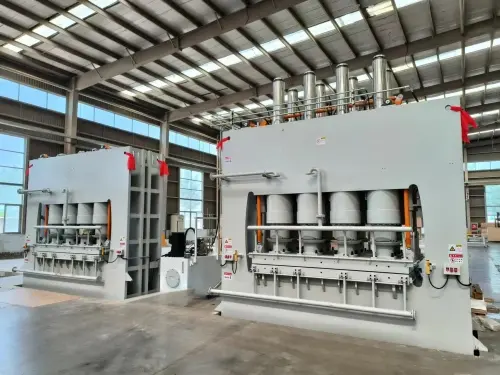
توزيع الطاقة
- نظام التدفئة: 50 por60%
- النظام الهيدروليكي: 25ther30%
- الأنظمة المساعدة: 10 necreat15%
طرق التحسين
- استعادة تداول النفط الحراري
- التحكم الذكي بالدورة PLC
- أنظمة تعديل الطاقة القائمة على الضغط
دليل الاختيار الموجه للمشتري
عوامل القرار الرئيسية
- الطاقة الإنتاجية اليومية المطلوبة
- توافر مساحة المصنع
- القدرة على البنية التحتية للطاقة
- نطاق سمك المنتج المستهدف
أسئلة المشتري الشائعة
“ما هي السعة التي يجب أن أختارها؟”
تختار المصانع الصغيرة عادة 520 متر مكعب في اليوم، بينما تتجاوز المنشآت الصناعية 50 متر مكعب في اليوم.
“ما هو نطاق سمك الخشب الرقائقي القياسي؟”
تدعم معظم الآلات إنتاج الخشب الرقائقي من 3 مم إلى 40 مم.
“هل الأتمتة ضرورية؟”
يوصى بشدة بالأتمتة للإنتاج على نطاق واسع بسبب تقليل تكلفة العمالة وتحسين الاستقرار.
التعليمات
ما هي آلة الضغط الساخن للخشب الرقائقي المستخدمة؟
فهو يربط طبقات القشرة بألواح الخشب الرقائقي باستخدام الحرارة والضغط الهيدروليكي في خطوط الإنتاج الصناعي.
ما هي درجة الحرارة المطلوبة في الضغط الساخن؟
نطاق التشغيل النموذجي هو 120°C درجة مئوية 160° مئوية حسب نوع المادة اللاصقة ومتطلبات الإنتاج.
كم من الوقت تستغرق دورة الضغط الواحدة؟
عادة من 3 إلى 8 دقائق حسب سمك اللوحة وتركيبة الراتنج.
ما هو عمر الآلة؟
مع الصيانة المناسبة، يمكن للأنظمة الصناعية أن تعمل لمدة 10 سنوات و20 سنة.
ما هو الفرق الرئيسي بين الآلات متعددة الطبقات والطبقة الواحدة؟
تعمل الآلات متعددة الطبقات على زيادة الإخراج عن طريق الضغط على لوحات متعددة في وقت واحد، مما يؤدي إلى تحسين الكفاءة بشكل كبير.
خاتمة
أ آلة الضغط الساخن للخشب الرقائقي هو نظام صناعي أساسي في تصنيع الخشب الرقائقي الحديث، ويؤثر بشكل مباشر على كفاءة الإنتاج وجودة المنتج والربحية الإجمالية.
مع تزايد الطلب العالمي على المنتجات الخشبية الهندسية، يتحول المصنعون نحو أنظمة آلية متعددة الطبقات لتحقيق إنتاج أعلى، وتكلفة تشغيلية أقل، وجودة منتج مستقرة. يعد الاستثمار في النظام المناسب قرارًا استراتيجيًا يحدد القدرة التنافسية طويلة المدى في صناعة الألواح الخشبية.
 Arabic
  English
  Vietnamese