
أخبار
كيف يعمل خط الضغط ذو الدورة القصيرة على تحسين كفاءة إنتاج اللوحة
جدول المحتويات
مقدمة
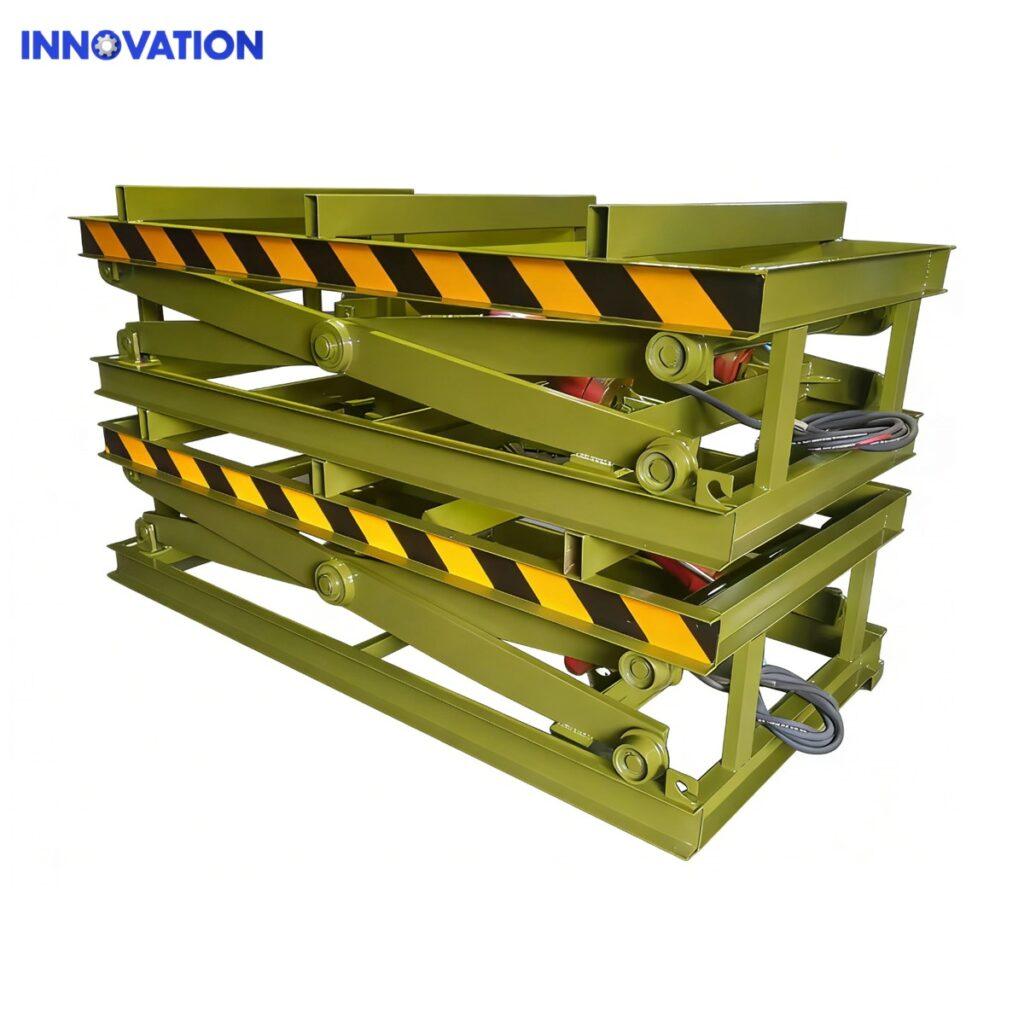
في تصنيع الألواح الحديثة، أصبحت كفاءة الإنتاج واحدة من أهم العوامل التي تؤثر على القدرة التنافسية وتكاليف التشغيل والقدرة على التسليم. مع استمرار تزايد الطلب على الألواح الزخرفية والألواح المصفحة والمنتجات الخشبية الهندسية، يبحث المصنعون عن حلول إنتاج أسرع وأكثر استقرارًا.
واحدة من التقنيات الأكثر اعتمادا على نطاق واسع في هذا المجال هي خط الضغط ذو الدورة القصيرة. تم تصميم هذا النظام لتصفيح الألواح الزخرفية عالية السرعة، ويجمع بين الحرارة والضغط والتعامل الآلي مع المواد لتحسين كفاءة الإنتاج مع الحفاظ على جودة المنتج المتسقة.
وفقًا لدراسات التصنيع الصناعي حول تحسين معالجة الألواح، يمكن لأنظمة الضغط الآلية أن تقلل بشكل كبير من وقت توقف الإنتاج، وتخفض معدلات العيوب، وتحسن الإنتاجية الإجمالية مقارنة بسير العمل اليدوي التقليدي.
تشرح هذه المقالة كيف يعمل الخط الصحفي ذو الدورة القصيرة على تحسين كفاءة إنتاج اللوحة ومكوناتها الرئيسية وتطبيقاتها الصناعية والعوامل التي تؤثر على الأداء التشغيلي.
ما هو خط الصحافة ذو الدورة القصيرة؟
خط الضغط ذو الدورة القصيرة هو نظام إنتاج صناعي آلي يستخدم لتصفيح الأسطح الزخرفية على الألواح الخشبية مثل MDF وHDF وألواح الجسيمات والخشب الرقائقي.
يطبق النظام حرارة وضغطًا هيدروليكيًا متحكمًا خلال دورة ضغط قصيرة لربط الأوراق الزخرفية أو أسطح الميلامين على ركائز اللوحة.
على عكس طرق الضغط التقليدية، تم تصميم خطوط الضغط ذات الدورة القصيرة من أجل:
- إنتاج عالي السرعة
- أتمتة سير العمل المستمر
- جودة سطح مستقرة
- بيئات التصنيع واسعة النطاق
تُستخدم هذه الأنظمة بشكل شائع في إنتاج ألواح الأثاث، وتصنيع الألواح الزخرفية، وصناعات الأرضيات المصفحة.
كيف يعمل خط الصحافة ذو الدورة القصيرة
تعتمد عملية عمل خط الضغط ذو الدورة القصيرة على الأتمتة المتزامنة وتقنية الضغط المتحكم فيها.
أولاً، يتم تحميل ألواح الركيزة في خط الإنتاج. يتم وضع الأوراق الزخرفية أو الطبقات الصفائحية على سطح اللوحة قبل الدخول إلى قسم الضغط.
بعد ذلك، يطبق نظام الضغط الهيدروليكي ضغطًا موحدًا بينما تقوم الألواح الساخنة بتنشيط الطبقة الراتنجية أو اللاصقة. وهذا يخلق رابطة قوية ومتينة بين السطح الزخرفي واللوحة.
بعد اكتمال دورة الضغط، يتم تفريغ الألواح النهائية تلقائيًا ونقلها إلى أنظمة التبريد أو التراص.
نظرًا لأن وقت الدورة قصير وآلي، يمكن لخط الإنتاج معالجة عدد كبير من اللوحات بشكل مستمر مع الحد الأدنى من التدخل اليدوي.
المكونات الرئيسية لخط الضغط ذو الدورة القصيرة
تعتمد كفاءة خط الضغط ذو الدورة القصيرة على عدة أنظمة متكاملة تعمل معًا.
نظام الضغط الهيدروليكي
يولد هذا النظام الضغط المطلوب لربط المواد الزخرفية على أسطح الألواح. تضمن القوة الهيدروليكية المستقرة جودة تصفيح متسقة.
نظام التدفئة
تقوم الألواح الساخنة بتوزيع درجة الحرارة بالتساوي عبر سطح اللوحة. يعد التحكم المناسب في درجة الحرارة أمرًا ضروريًا لتنشيط المادة اللاصقة وجودة تشطيب السطح.
نظام التحكم الآلي
تستخدم خطوط الضغط الحديثة عناصر تحكم رقمية تعتمد على PLC أو CNC لإدارة الضغط ودرجة الحرارة وتوقيت الدورة تلقائيًا.
نظام التحميل والتفريغ
تعمل أنظمة التغذية الأوتوماتيكية على تقليل العمل اليدوي وتحسين استمرارية تدفق الإنتاج.
نظام النقل والنقل
تقوم هذه الأنظمة بتحريك اللوحات بكفاءة بين مراحل الإنتاج، مما يقلل من وقت التوقف عن العمل ويحسن سرعة سير العمل.
كيف تعمل خطوط الضغط ذات الدورة القصيرة على تحسين كفاءة الإنتاج
واحدة من أكبر مزايا خط الضغط ذو الدورة القصيرة هي قدرته على تقليل وقت الإنتاج مع الحفاظ على جودة متسقة.
دورات إنتاج أسرع
تسمح أوقات الضغط القصيرة للمصنعين بمعالجة المزيد من اللوحات خلال نفس فترة التشغيل. وهذا يزيد بشكل مباشر من قدرة الإخراج.
انخفاض العمل اليدوي
تقلل الأتمتة من مشاركة المشغل في المهام المتكررة مثل تحميل المواد وتحديد موضعها وتفريغها.
انخفاض معدلات الخلل
يعمل التحكم المستمر في درجة الحرارة والضغط على تحسين استقرار الترابط وتقليل المشكلات مثل الفقاعات أو الأسطح غير المستوية أو التصفيح.
تحسين استمرارية سير العمل
تحافظ أنظمة النقل المتكاملة على تحرك المواد بسلاسة خلال عملية الإنتاج، مما يقلل من وقت الخمول.
استخدام أفضل للموارد
تساعد دورات الإنتاج المحسنة على تقليل هدر الطاقة والإفراط في استخدام المواد اللاصقة وفقدان المواد.
جدول المقارنة: خط الضغط ذو الدورة القصيرة مقابل أنظمة الضغط التقليدية
| ميزة | خط الصحافة ذو الدورة القصيرة | نظام الصحافة التقليدي |
|---|---|---|
| سرعة الإنتاج | عالي | معتدل |
| مستوى الأتمتة | عالي | منخفض إلى متوسط |
| متطلبات العمالة | أقل | أعلى |
| اتساق السطح | مستقرة وموحدة | يعتمد على التحكم في المشغل |
| الطاقة الإنتاجية | مناسبة للإنتاج الضخم | قابلية التوسع محدودة |
| كفاءة الطاقة | الأمثل | استهلاك أعلى |
| استمرارية سير العمل | الإنتاج المستمر | توقف سير العمل |
تسلط هذه المقارنة الضوء على سبب قيام العديد من الشركات المصنعة للألواح الحديثة بالترقية إلى أنظمة الدورة القصيرة الآلية.
التطبيقات الصناعية لخطوط الضغط ذات الدورة القصيرة
تُستخدم خطوط الضغط ذات الدورة القصيرة على نطاق واسع في الصناعات التي تتطلب معالجة أسطح زخرفية عالية الجودة.
صناعة الأثاث
يتم استخدامها لإنتاج ألواح الأثاث المزخرفة ذات الأسطح المتينة والمتسقة بصريًا.
إنتاج الأرضيات المصفحة
تقوم الأنظمة بإنشاء ألواح أرضيات زخرفية مقاومة للتآكل ومناسبة للتصنيع بكميات كبيرة.
MDF ومعالجة ألواح الجسيمات
تعمل خطوط الضغط ذات الدورة القصيرة على تحسين كفاءة التصفيح الزخرفي للمنتجات الخشبية الهندسية.
لوحات الديكور الداخلي
كما أنها تستخدم على نطاق واسع في إنتاج ألواح الجدران والألواح الزخرفية حيث يكون المظهر وجودة السطح أمرًا بالغ الأهمية.
العوامل التي تؤثر على كفاءة الإنتاج
تؤثر العديد من العوامل الفنية والتشغيلية على أداء الخط الصحفي ذو الدورة القصيرة.
استقرار درجة الحرارة
يمكن أن يؤدي التسخين غير المتساوي إلى عيوب الترابط والتشطيبات السطحية غير المتسقة.
دقة الضغط الهيدروليكي
يضمن توزيع الضغط المستقر التصاقًا ثابتًا عبر جميع الألواح.
جودة المواد
يؤثر محتوى رطوبة اللوحة والتسطيح وجودة الورق المزخرف بشكل مباشر على نتائج الإنتاج.
تحسين وقت الدورة
التوقيت غير الصحيح قد يقلل من قوة الترابط أو يقلل من كفاءة الإنتاج.
صيانة المعدات
تضمن الصيانة الدورية أداءً مستقرًا للآلة وتقلل من وقت التوقف غير المتوقع.
مشاكل وحلول الإنتاج الشائعة
على الرغم من أن الخطوط الصحفية ذات الدورة القصيرة تتسم بالكفاءة العالية، إلا أنه لا يزال من الممكن حدوث مشكلات تشغيلية.
فقاعات السطح
عادة ما يكون سببه التحكم غير السليم في الرطوبة أو التوزيع غير المتساوي للضغط.
التصاق ضعيف
يمكن أن تؤدي درجة الحرارة غير الصحيحة أو وقت الضغط غير الكافي إلى تقليل جودة الترابط.
علامات السطح أو الملمس غير المتساوي
قد ينجم هذا عن تآكل الألواح أو سوء تحضير المواد.
عدم الاستقرار الهيدروليكي
تعد صيانة النظام الهيدروليكي أمرًا ضروريًا للحفاظ على أداء إنتاجي مستقر.
تعد الصيانة الوقائية وتحسين المعلمات أمرًا بالغ الأهمية لتجنب هذه المشكلات.
نصائح الصيانة لتحقيق الكفاءة على المدى الطويل
تعمل الصيانة المناسبة على تحسين استقرار الإنتاج وعمر الماكينة بشكل كبير.
يجب على المشغلين:
- فحص الأنظمة الهيدروليكية بانتظام
- تنظيف ألواح التدفئة بشكل متكرر
- مراقبة معايرة درجة الحرارة
- تشحيم الأجزاء الميكانيكية المتحركة
- التحقق من دقة نظام الأتمتة
تقلل الصيانة الروتينية من وقت التوقف عن العمل وتضمن كفاءة إنتاج متسقة.
الاتجاهات المستقبلية في تكنولوجيا الخط الصحفي للدورة القصيرة
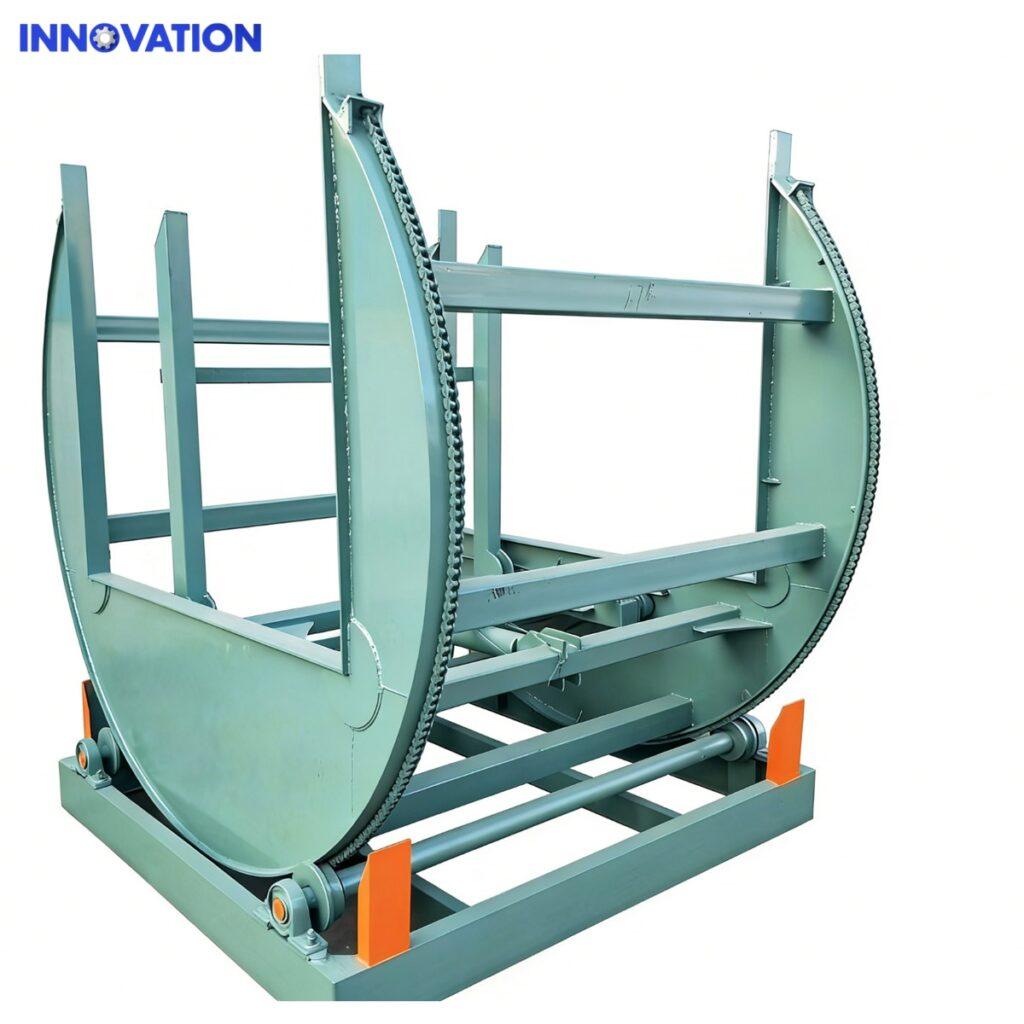
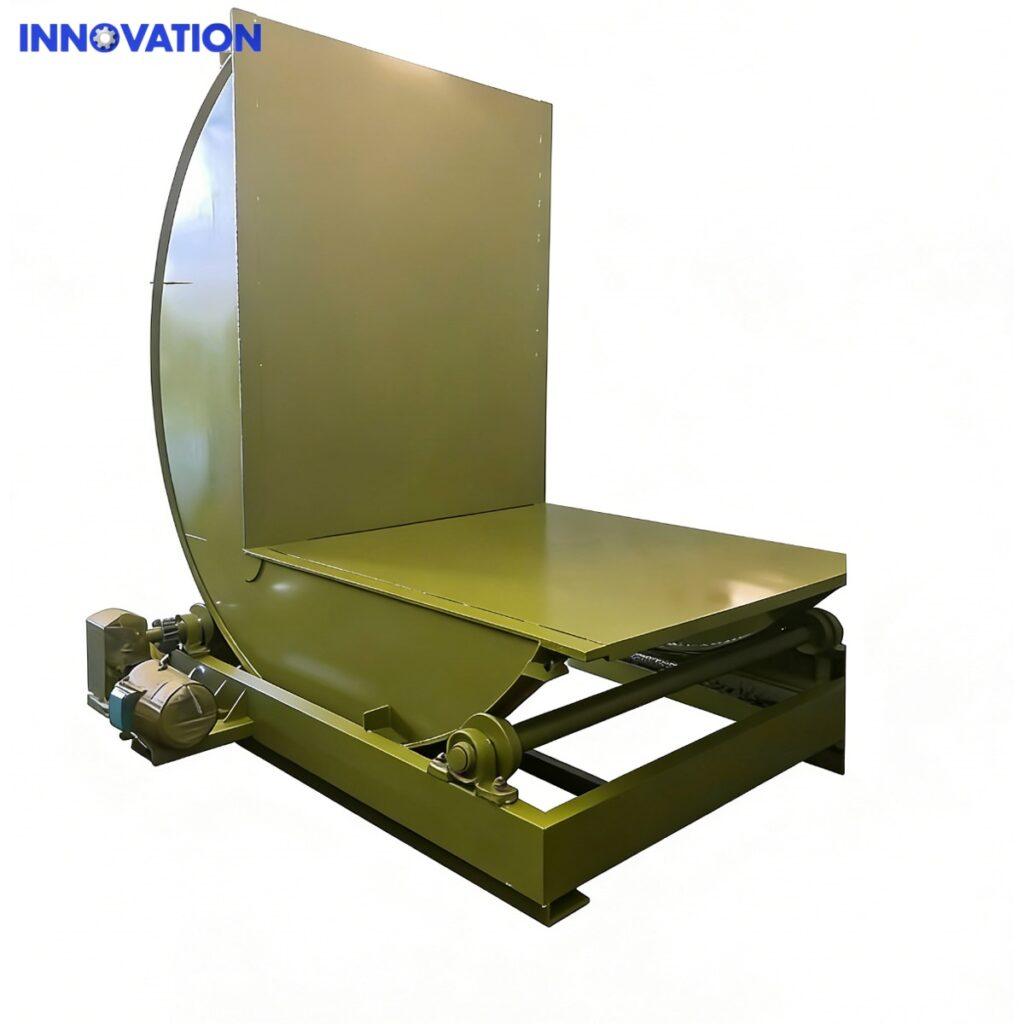
تتطور خطوط الضغط الحديثة ذات الدورة القصيرة نحو قدر أكبر من الأتمتة وتكامل التصنيع الذكي.
أنظمة التحكم الذكية
تسمح المراقبة الرقمية بتعديل درجة الحرارة والضغط وتوقيت الدورة في الوقت الفعلي.
تكنولوجيا التدفئة الموفرة للطاقة
تعمل أنظمة التدفئة الجديدة على تقليل تكاليف التشغيل مع الحفاظ على جودة التصفيح المستقرة.
خطوط إنتاج مؤتمتة بالكامل
تدمج الأنظمة المتقدمة التحميل والضغط والتبريد والتكديس في سير عمل سلس.
تكامل المصنع الذكي
يمكن الآن ربط بيانات الإنتاج بأنظمة إدارة التصنيع المركزية لتحسين التحليل التشغيلي.
وتساعد هذه الابتكارات الشركات المصنعة على تحقيق إنتاجية أعلى وتكاليف تشغيل أقل.
خاتمة
يعد خط الضغط ذو الدورة القصيرة أحد أكثر الحلول فعالية لتحسين كفاءة إنتاج الألواح في بيئات التصنيع الحديثة. ومن خلال الجمع بين سير العمل الآلي، والتحكم في الحرارة والضغط، والمعالجة عالية السرعة، فإنه يساعد الشركات المصنعة على زيادة الإنتاج مع الحفاظ على جودة سطح مستقرة.
إن قدرته على تقليل الاعتماد على العمالة وتحسين الاتساق ودعم الإنتاج الضخم تجعله نظامًا أساسيًا للألواح الزخرفية الحديثة والصناعات الخشبية الهندسية.
التعليمات
ما هو خط الصحافة دورة قصيرة تستخدم ل؟
يتم استخدام خط ضغط قصير الدورة لتصفيح الأسطح الزخرفية على ألواح MDF وHDF وألواح الجسيمات وألواح الخشب الرقائقي. فهو يجمع بين الحرارة والضغط لإنتاج ألواح زخرفية متينة وعالية الجودة بكفاءة في بيئات الإنتاج الضخم.
كيف يعمل الخط الصحفي ذو الدورة القصيرة على تحسين كفاءة الإنتاج؟
فهو يحسن الكفاءة من خلال التحميل الآلي، ودورات الضغط السريع، والتحكم المستقر في درجة الحرارة، والتعامل المستمر مع المواد. وهذا يقلل من تكاليف العمالة، ويقلل من وقت التوقف عن العمل، ويزيد من إجمالي إنتاج الإنتاج.
ما هي المواد التي يمكن معالجتها بخط ضغط قصير الدورة؟
يتم استخدامه بشكل شائع في MDF وHDF والخشب الرقائقي وألواح الجسيمات وورق الميلامين وشرائح الديكور والألواح الخشبية الهندسية المستخدمة في صناعات الأثاث والأرضيات والديكور الداخلي.
ما هي مزايا الخط الصحفي ذو الدورة القصيرة؟
يتم استخدامه بشكل شائع في MDF وHDF والخشب الرقائقي وألواح الجسيمات وورق الميلامين وشرائح الديكور والألواح الخشبية الهندسية المستخدمة في صناعات الأثاث والأرضيات والديكور الداخلي.
كيفية الحفاظ على خط الصحافة دورة قصيرة؟
تشمل الصيانة الدورية فحص الأنظمة الهيدروليكية، وتنظيف ألواح التسخين، ومراقبة معايرة درجة الحرارة، وفحص مكونات التشغيل الآلي. تساعد الصيانة المناسبة على ضمان الأداء المستقر وكفاءة الإنتاج على المدى الطويل.
هل تحتاج إلى مساعدة في اختيار خط الضغط المناسب للدورة القصيرة؟
إذا لم تكن متأكدًا من خط الضغط ذو الدورة القصيرة الأفضل لقدرتك الإنتاجية أو مواد الألواح أو متطلبات التصفيح، فإن خبرائنا موجودون هنا لمساعدتك. اتصل بنا اليوم للحصول على استشارة شخصية والحصول على حل مخصص يعمل على تحسين كفاءة الإنتاج وجودة السطح والاستقرار التشغيلي على المدى الطويل. لا تنتظر حتى تؤدي اختناقات الإنتاج إلى تقليل إنتاجك، انسحب الآن لتحسين عملية التصنيع وتعزيز ميزتك التنافسية!
 Arabic
  English
  Vietnamese