
News
How a Short Cycle Press Line Improves Panel Production Efficiency
Table of Contents
Introduction
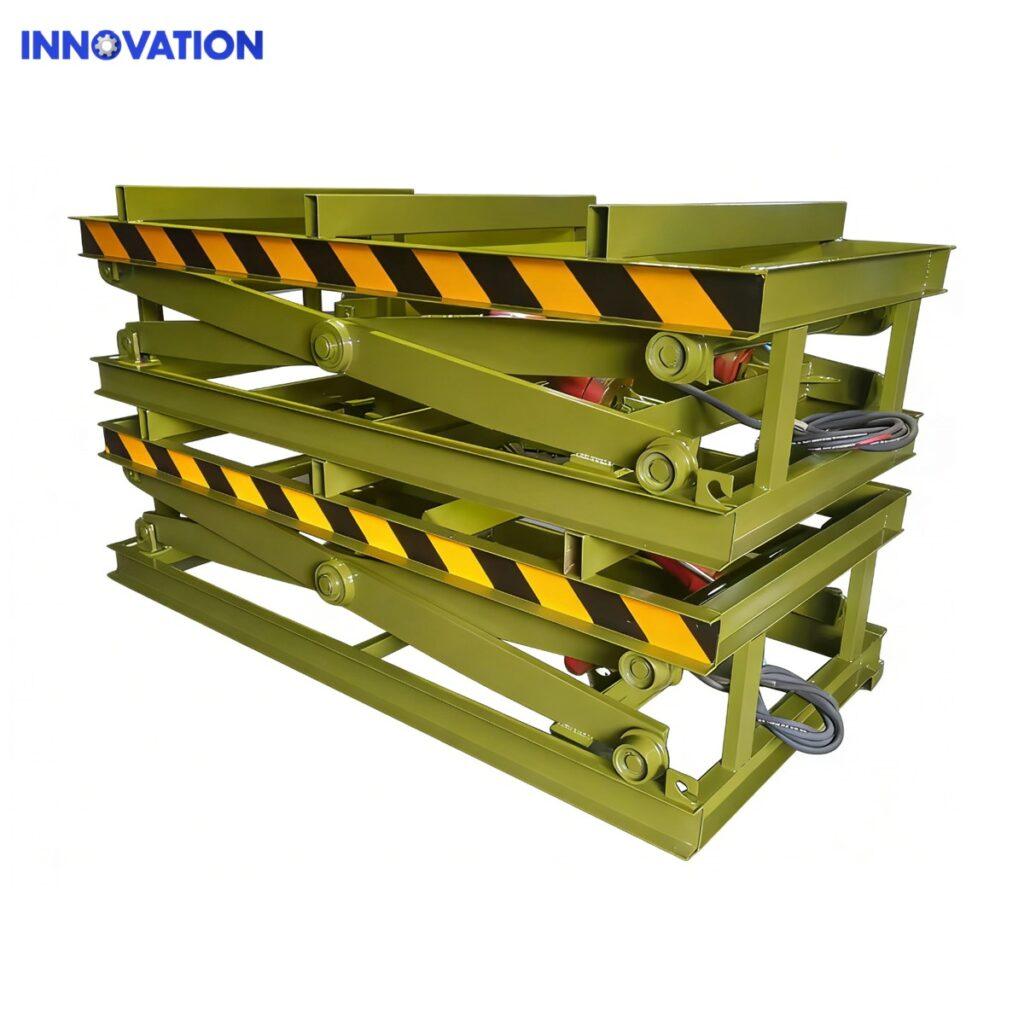
In modern panel manufacturing, production efficiency has become one of the most important factors affecting competitiveness, operating costs, and delivery capability. As demand for decorative panels, laminated boards, and engineered wood products continues to increase, manufacturers are looking for faster and more stable production solutions.
One of the most widely adopted technologies in this field is the short cycle press line. Designed for high-speed decorative panel lamination, this system combines heat, pressure, and automated material handling to improve production efficiency while maintaining consistent product quality.
According to industrial manufacturing studies on panel processing optimization, automated pressing systems can significantly reduce production downtime, lower defect rates, and improve overall throughput compared to traditional manual workflows.
This article explains how a short cycle press line improves panel production efficiency, its key components, industrial applications, and the factors that influence operational performance.
What Is a Short Cycle Press Line?
A short cycle press line is an automated industrial production system used for laminating decorative surfaces onto wood-based panels such as MDF, HDF, particle board, and plywood.
The system applies controlled heat and hydraulic pressure during a short pressing cycle to bond decorative papers or melamine surfaces onto panel substrates.
Unlike conventional pressing methods, short cycle press lines are designed for:
- High-speed production
- Continuous workflow automation
- Stable surface quality
- Large-scale manufacturing environments
These systems are commonly used in furniture board production, decorative panel manufacturing, and laminated flooring industries.
How a Short Cycle Press Line Works
The working process of a short cycle press line is based on synchronized automation and controlled pressing technology.
First, the substrate panels are loaded into the production line. Decorative papers or laminate layers are positioned on the panel surface before entering the press section.
Next, the hydraulic pressing system applies uniform pressure while heated platens activate the resin or adhesive layer. This creates a strong and durable bond between the decorative surface and the panel.
After the pressing cycle is completed, the finished panels are automatically unloaded and transferred to cooling or stacking systems.
Because the cycle time is short and automated, the production line can process a large number of panels continuously with minimal manual intervention.
Key Components of a Short Cycle Press Line
The efficiency of a short cycle press line depends on several integrated systems working together.
Hydraulic Press System
This system generates the pressure required for bonding decorative materials onto panel surfaces. Stable hydraulic force ensures consistent lamination quality.
Heating System
Heated platens distribute temperature evenly across the panel surface. Proper temperature control is essential for adhesive activation and surface finish quality.
Automation Control System
Modern press lines use digital PLC or CNC-based controls to manage pressure, temperature, and cycle timing automatically.
Loading and Unloading System
Automatic feeding systems reduce manual labor and improve production flow continuity.
Conveyor and Transfer System
These systems move panels efficiently between production stages, minimizing downtime and improving workflow speed.
How Short Cycle Press Lines Improve Production Efficiency
One of the biggest advantages of a short cycle press line is its ability to reduce production time while maintaining consistent quality.
Faster Production Cycles
Short pressing times allow manufacturers to process more panels within the same operational period. This directly increases output capacity.
Reduced Manual Labor
Automation minimizes operator involvement in repetitive tasks such as loading, positioning, and unloading materials.
Lower Defect Rates
Consistent temperature and pressure control improve bonding stability and reduce issues such as bubbling, uneven surfaces, or delamination.
Improved Workflow Continuity
Integrated conveyor systems keep materials moving smoothly through the production process, reducing idle time.
Better Resource Utilization
Optimized production cycles help reduce energy waste, adhesive overuse, and material loss.
Comparison Table: Short Cycle Press Line vs Traditional Pressing Systems
| Feature | Short Cycle Press Line | Traditional Press System |
|---|---|---|
| Production Speed | High | Moderate |
| Automation Level | High | Low to Medium |
| Labor Requirement | Lower | Higher |
| Surface Consistency | Stable and uniform | Depends on operator control |
| Production Capacity | Suitable for mass production | Limited scalability |
| Energy Efficiency | Optimized | Higher consumption |
| Workflow Continuity | Continuous production | Interrupted workflow |
This comparison highlights why many modern panel manufacturers are upgrading to automated short cycle systems.
Industrial Applications of Short Cycle Press Lines
Short cycle press lines are widely used in industries that require high-quality decorative surface processing.
Furniture Manufacturing
They are used for producing decorative furniture panels with durable and visually consistent surfaces.
Laminated Flooring Production
The systems create wear-resistant decorative flooring panels suitable for high-volume manufacturing.
MDF and Particle Board Processing
Short cycle press lines improve the efficiency of decorative lamination for engineered wood products.
Interior Decorative Panels
They are also widely used in wall panel and decorative board production where appearance and surface quality are critical.
Factors That Affect Production Efficiency
Several technical and operational factors influence the performance of a short cycle press line.
Temperature Stability
Uneven heating can lead to bonding defects and inconsistent surface finishes.
Hydraulic Pressure Accuracy
Stable pressure distribution ensures consistent adhesion across all panels.
Material Quality
Panel moisture content, flatness, and decorative paper quality directly affect production results.
Cycle Time Optimization
Incorrect timing may reduce bonding strength or lower production efficiency.
Equipment Maintenance
Regular maintenance ensures stable machine performance and minimizes unexpected downtime.
Common Production Problems and Solutions
Although short cycle press lines are highly efficient, operational issues can still occur.
Surface Bubbles
Usually caused by improper moisture control or uneven pressure distribution.
Weak Adhesion
Incorrect temperature or insufficient pressing time can reduce bonding quality.
Surface Marks or Uneven Texture
This may result from worn platens or poor material preparation.
Hydraulic Instability
Hydraulic system maintenance is essential for maintaining stable production performance.
Preventive maintenance and parameter optimization are critical for avoiding these issues.
Maintenance Tips for Long-Term Efficiency
Proper maintenance significantly improves production stability and machine lifespan.
Operators should:
- Inspect hydraulic systems regularly
- Clean heating platens frequently
- Monitor temperature calibration
- Lubricate moving mechanical parts
- Check automation system accuracy
Routine maintenance reduces downtime and ensures consistent production efficiency.
Future Trends in Short Cycle Press Line Technology
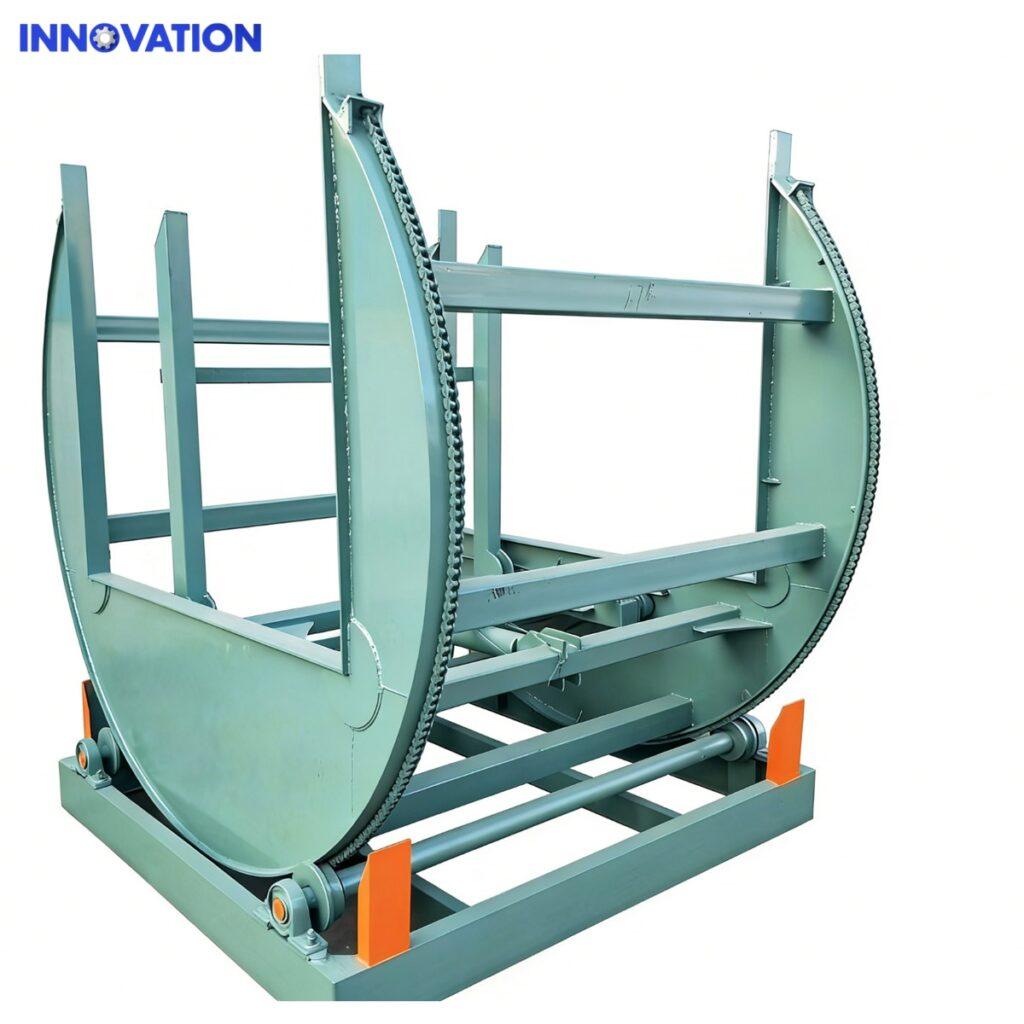
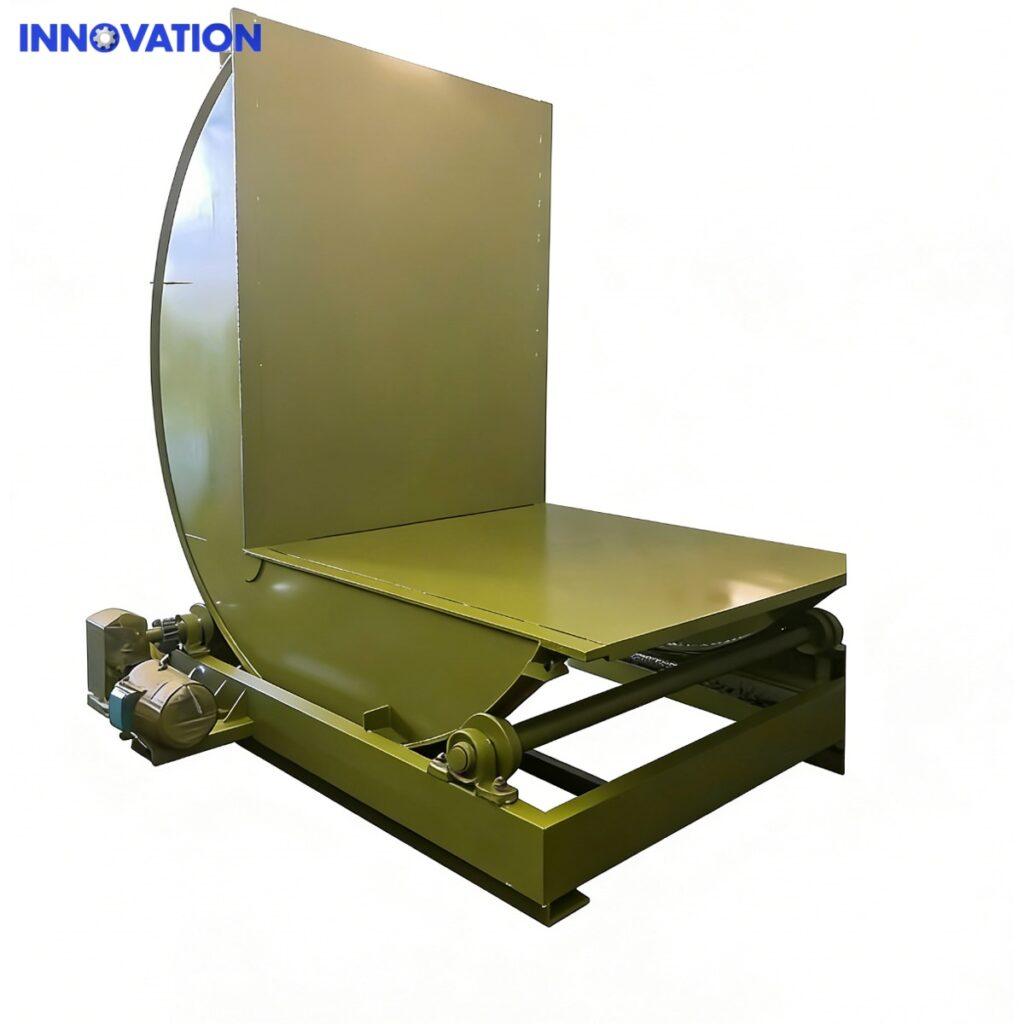
Modern short cycle press lines are evolving toward greater automation and smart manufacturing integration.
Intelligent Control Systems
Digital monitoring allows real-time adjustment of temperature, pressure, and cycle timing.
Energy-Efficient Heating Technology
New heating systems reduce operational costs while maintaining stable lamination quality.
Fully Automated Production Lines
Advanced systems integrate loading, pressing, cooling, and stacking into a seamless workflow.
Smart Factory Integration
Production data can now be connected to centralized manufacturing management systems for improved operational analysis.
These innovations are helping manufacturers achieve higher productivity and lower operating costs.
Conclusion
A short cycle press line is one of the most effective solutions for improving panel production efficiency in modern manufacturing environments. By combining automated workflows, controlled heat and pressure, and high-speed processing, it helps manufacturers increase output while maintaining stable surface quality.
Its ability to reduce labor dependency, improve consistency, and support mass production makes it an essential system for modern decorative panel and engineered wood industries.
FAQ
What is a short cycle press line used for?
A short cycle press line is used for laminating decorative surfaces onto MDF, HDF, particle board, and plywood panels. It combines heat and pressure to produce durable, high-quality decorative boards efficiently in mass production environments.
How does a short cycle press line improve production efficiency?
It improves efficiency through automated loading, fast pressing cycles, stable temperature control, and continuous material handling. This reduces labor costs, minimizes downtime, and increases overall production output.
What materials can be processed with a short cycle press line?
It is commonly used for MDF, HDF, plywood, particle board, melamine paper, decorative laminates, and engineered wood panels used in furniture, flooring, and interior decoration industries.
What are the advantages of a short cycle press line?
It is commonly used for MDF, HDF, plywood, particle board, melamine paper, decorative laminates, and engineered wood panels used in furniture, flooring, and interior decoration industries.
How to maintain a short cycle press line?
Regular maintenance includes inspecting hydraulic systems, cleaning heating platens, monitoring temperature calibration, and checking automation components. Proper maintenance helps ensure stable performance and long-term production efficiency.
Need Help Choosing the Right Short Cycle Press Line?
If you’re unsure which short cycle press line is best for your production capacity, panel materials, or lamination requirements, our experts are here to help. Contact us today for a personalized consultation and get a tailored solution that improves production efficiency, surface quality, and long-term operational stability. Don’t wait until production bottlenecks reduce your output—get in touch now to optimize your manufacturing process and enhance your competitive advantage!
 English
  Vietnamese
  Arabic