
Products
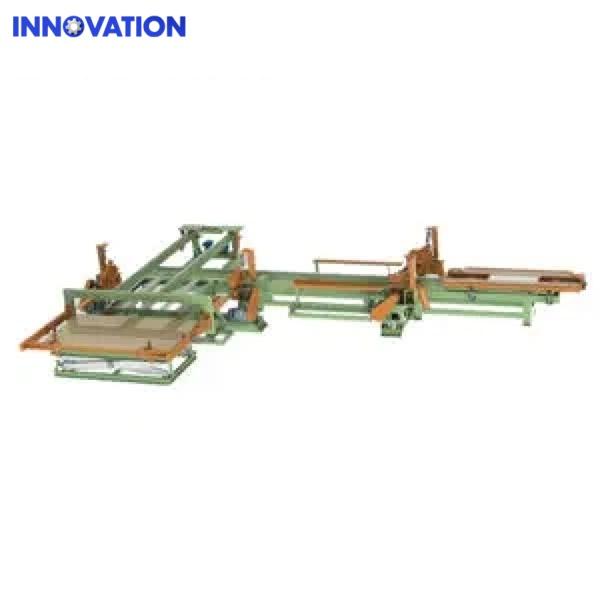
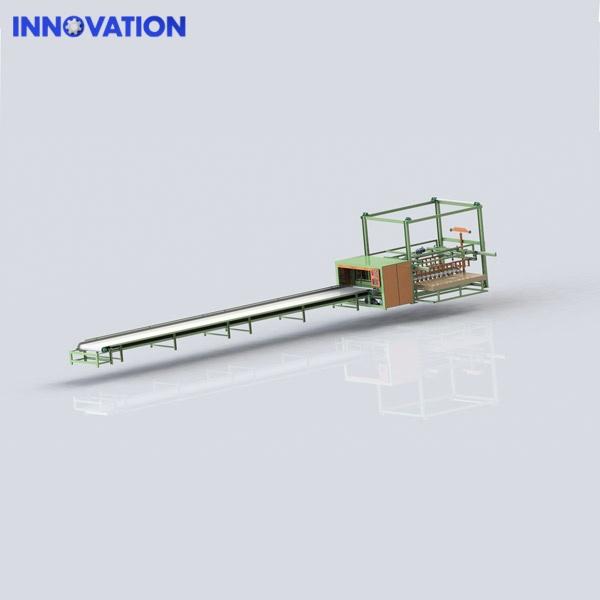
Core Veneer Composer
Product category
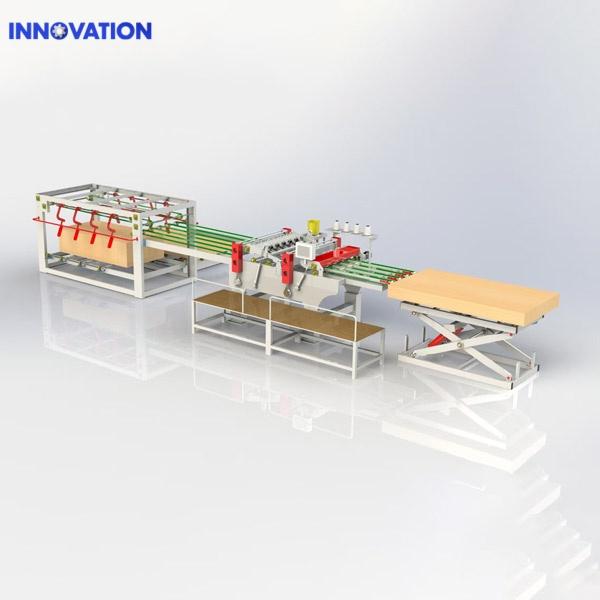
Core Veneer Composer
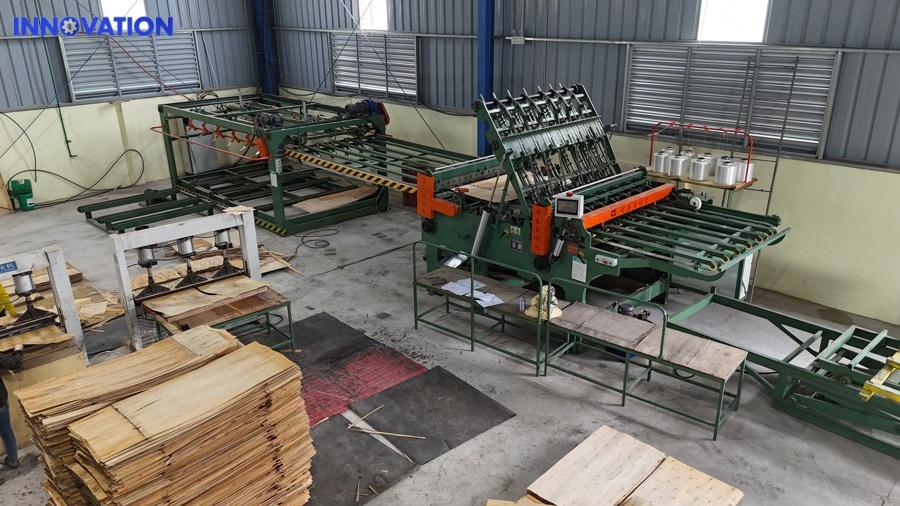
A core veneer composer is an advanced woodworking machine designed to efficiently join and assemble small veneer strips into larger, high-quality core veneer sheets. It is widely used in the plywood and panel manufacturing industry to improve material utilization, reduce labor, and increase production efficiency. By using precision finger-joint technology or butt-joint systems, the composer aligns, cuts, and joins narrow veneer pieces into consistent and defect-free sheets, providing a reliable base for plywood production. The machine is controlled by a PLC system, ensuring high precision, stability, and automation.
Technical Specifications
The core veneer composer’s specifications vary depending on the model, but common parameters include:
| Veneer Thickness | 1.2 mm to 4.0 mm |
| Veneer Width | 50 mm to 300 mm |
| Sheet Size Output | Standard sizes such as 4 ft x 8 ft (1220 mm x 2440 mm) or customized dimensions |
| Feeding Speed | 30–60 m/min adjustable |
| Joint Type | Finger joint or butt joint (depending on the design) |
| Glue Application | Roll coating or spray system with even distribution |
| Cutting and Trimming | Equipped with precision saws or rotary cutters for smooth edges |
| Control System | PLC with touchscreen interface and automatic fault detection |
| Power Requirement | 380V, 50Hz, three-phase (other options available) |
| Compressed Air | Required for clamping and pressing systems |
Working Process
- Feeding: Veneer strips are manually or automatically fed into the composer’s conveyor system.
- Alignment: The machine uses sensors and alignment rollers to arrange the veneers accurately.
- Edge Cutting: Defective or irregular edges are trimmed using built-in cutters to ensure proper jointing.
- Glue Application: A thin and even layer of adhesive is applied to the edges of the veneer strips.
- Jointing: Veneer pieces are pressed and joined together using finger-joint technology or butt-joint pressure.
- Pressing and Cooling: The joined sheet is compressed for a short period to ensure bonding strength.
- Output and Stacking: The finished core veneer sheets are automatically discharged and stacked for further processing.
Main Components and Functions
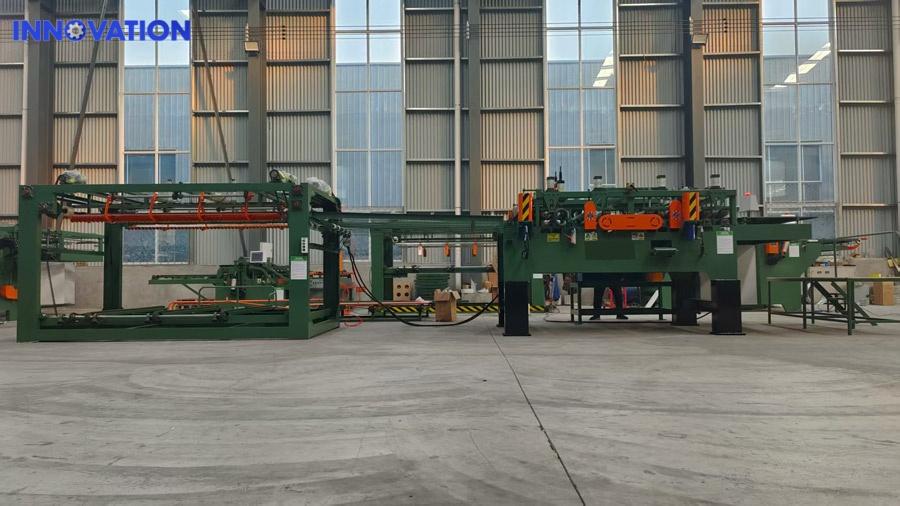
- Feeding Conveyor: Ensures continuous and stable veneer feeding with adjustable speed control.
- Alignment System: High-precision rollers and sensors align veneer strips for accurate joining.
- Edge Cutter and Trimmer: Removes irregular or damaged edges to improve bonding quality.
- Glue Spreader: Equipped with rollers or spray nozzles to evenly distribute adhesive.
- Pressing Section: Hydraulic or pneumatic pressing units apply consistent pressure for strong joints.
- PLC Control Panel: Centralized control system with touchscreen interface for easy operation and monitoring.
- Stacking System: Automatically collects and stacks finished sheets to reduce labor intensity.
Advantages of Core Veneer Composer
- High Material Utilization: Converts small veneer strips and waste pieces into usable sheets, reducing raw material waste and production costs.
- Enhanced Efficiency: Fully or semi-automatic operation speeds up production and reduces manual labor.
- Consistent Quality: Precision cutting, alignment, and pressing ensure smooth surfaces and uniform sheet thickness.
- Flexibility: Can handle different veneer thicknesses, widths, and wood species, making it suitable for various applications.
- Stable and Durable Structure: Built with heavy-duty steel frames and high-quality components for long service life and minimal maintenance.
- User-Friendly Operation: PLC controls, simple interface, and automatic fault diagnosis make operation easier and safer.
- Improved Bonding Strength: Advanced gluing and pressing technology ensures tight and durable joints.
- Environmental Benefits: Maximizes the use of raw wood resources and reduces waste, aligning with sustainable manufacturing practices.
Application Areas
Core veneer composers are widely used in plywood mills, furniture factories, and panel production lines. They are essential for manufacturing core layers of plywood, blockboards, and laminated panels. By producing consistent, high-quality core veneer sheets, they enhance final product strength, stability, and appearance.
 English
  Vietnamese
  Arabic