
Tin tức
Các lựa chọn bền vững trong ván gỗ ép
Chào mừng đến với Blog của tôi!
Tôi rất vui vì bạn đã ghé thăm. Trước khi chúng ta đi sâu vào nội dung, tôi rất muốn được kết nối với bạn ngoài trang này. Trên mạng xã hội, tôi thường xuyên chia sẻ những hiểu biết sâu sắc về ngành, cập nhật sản phẩm và những khoảnh khắc hậu trường — hơn nữa, đây còn là một nơi tuyệt vời để chúng ta tương tác!
Theo dõi chúng tôi trên Facebook: Công ty TNHH Thiết bị tự động hóa Shandong Chuangxin
Hãy cùng nhau phát triển và giữ kết nối. Giờ thì, hãy cùng khám phá blog nhé — tôi hy vọng bạn thấy nội dung này bổ ích, hấp dẫn và thực sự giá trị.
Mục lục
Những điểm mấu chốt cho bài viết này
- Hiểu biết về ván gỗ ép và tác động môi trường của chúng
- Vật liệu bền vững và chất kết dính thân thiện với môi trường trong ván gỗ ép
- Lợi ích của việc sử dụng ván gỗ ép bền vững trong đồ nội thất và xây dựng
- So sánh ván gỗ ép với gỗ nguyên khối truyền thống về tính bền vững
- Các tiêu chuẩn và chứng nhận chính của ngành cho các tấm thân thiện với môi trường
- Lời khuyên thiết thực để tìm nguồn cung ứng và lựa chọn ván gỗ ép bền vững
- Câu hỏi thường gặp giải quyết các câu hỏi phổ biến từ người mua và nhà sản xuất
Giới thiệu
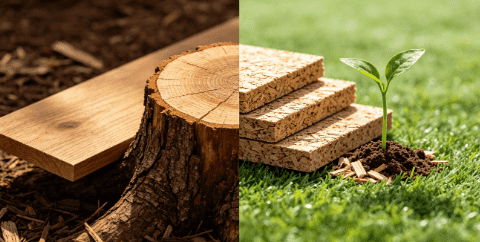
Nhu cầu vật liệu xây dựng thân thiện với môi trường đã phát triển mạnh mẽ khi các ngành công nghiệp và người tiêu dùng ưu tiên tính bền vững. Ván gỗ épcác sản phẩm gỗ được chế tạo bằng cách liên kết các hạt gỗ, veneer hoặc sợi dưới áp suất mang lại sự thay thế bền vững cho gỗ nguyên khối truyền thống.
Ván gỗ ép bền vững giúp giảm nạn phá rừng, giảm thiểu chất thải và cho phép sử dụng hiệu quả nguyên liệu thô.Chúng được sử dụng rộng rãi trong đồ nội thất, sàn, tủ, tấm xây dựng.
Bài viết này khám phá các lựa chọn bền vững có sẵn cho ván gỗ ép, từ lựa chọn vật liệu đến thực tiễn sản xuất, chứng nhận và ứng dụng thực tế trong công trình xanh hiện đại.
Ván Gỗ Ép Là Gì?
Định nghĩa và các loại
Ván gỗ ép là sản phẩm gỗ kỹ thuật được làm bằng cách nén các hạt gỗ, sợi, hoặc veneer bằng chất kết dính.Các loại phổ biến bao gồm:
- Ván dăm: Được làm từ dăm gỗ và nhựa
- Ván sợi mật độ trung bình (MDF): Được làm từ sợi gỗ tốt
- Ván ép: Được làm từ veneer nhiều lớp
Các bảng này cung cấp độ dày đồng đều, ổn định và linh hoạt, làm cho chúng trở nên lý tưởng cho các dự án xây dựng bền vững.
Lợi ích môi trường
- Sử dụng hiệu quả vật liệu gỗ, bao gồm cả phế liệu và vết cắt
- Giảm nhu cầu gỗ nguyên khối, giúp bảo tồn rừng
- Năng lượng sản xuất thấp hơn so với gỗ xẻ truyền thống
Vật liệu bền vững trong ván gỗ ép
Sợi và hạt gỗ tái chế
Sử dụng sợi gỗ tái ch từ xưởng cưa hoặc gỗ sau tiêu dùng giúp giảm chất thải và giảm tác động đến môi trường.
Thuận lợi:
- Giảm chất thải bãi rác
- Bảo tồn tài nguyên gỗ nguyên sinh
- Duy trì hiệu suất và chất lượng của bảng
Keo dán thân thiện với môi trường
Ván gỗ ép truyền thống thường sử dụng nhựa gốc formaldehyde.Các lựa chọn bền vững bao gồm:
- Urê-formaldehyde với lượng khí thải thấp
- Chất kết dính làm từ đậu nành
- Nhựa không chứa phenol
Những chất kết dính này làm giảm các hợp chất hữu cơ dễ bay hơi (VOC) và cải thiện chất lượng không khí trong nhà.
Nguồn gỗ tái tạo và được chứng nhận
Bảng làm từ Gỗ được chứng nhận FSC- hoặc PEFC đảm bảo rằng nguyên liệu thô có nguồn gốc có trách nhiệm. sử dụng hỗ trợ gỗ tái tạo quản lý rừng bền vững và giảm dấu chân sinh thái.
Ưu điểm của Tấm gỗ ép bền vững
Tác động môi trường
- Dấu chân carbon thấp hơn: Sản xuất ít tiêu tốn năng lượng hơn
- Giảm chất thải: Sử dụng phụ phẩm và vật liệu tái ch
- Bảo tồn rừng: Giảm nhu cầu về gỗ nguyên chất
Hiệu quả chi phí
- Ván gỗ ép bền vững thường có giá thấp hơn gỗ nguyên khối do sử dụng vật liệu được tối ưu hóa
- Độ bền lâu dài làm giảm chi phí thay thế và bảo trì
Tính linh hoạt trong ứng dụng
- Thích hợp cho đồ nội thất, tủ, tấm tường và sàn
- Có thể được phủ bằng các tấm laminate, veneers, hoặc kết thúc thân thiện với môi trường
Ván gỗ ép và gỗ nguyên khối: So sánh tính bền vững
| Tính năng | Tấm Gỗ Ép | Gỗ nguyên khối |
|---|---|---|
| Hiệu quả vật liệu | Cao, sử dụng dư lượng và sợi tái ch | Thấp, sử dụng toàn bộ nhật ký |
| Tác động phá rừng | Giảm | Cao hơn |
| Trị giá | Vừa phải | Cao |
| Phát thải VOC | Thấp với chất kết dính sinh thái | Tối thiểu một cách tự nhiên |
| Sự nhất quán | Đồng phục | Biến |
| Tính linh hoạt của ứng dụng | Cao | Vừa phải |
Quan sát: Ván gỗ ép vượt trội hơn gỗ rắn về số liệu bền vững trong khi vẫn duy trì hiệu suất tương đương cho nhiều ứng dụng.
Lựa Chọn Ván Gỗ Ép Bền Vững
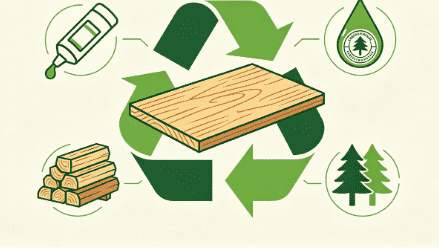
Chứng chỉ để tìm kiếm
- FSC (Hội đồng quản lý rừng): Đảm bảo gỗ đến từ các khu rừng được quản lý có trách nhiệm
- PEFC (Chương trình chứng thực chứng chỉ rừng): Chứng nhận tương tự cho lâm nghiệp bền vững
- Tuân thủ CARB Giai đoạn 2: Hạn chế phát thải formaldehyde trong tấm
Thực hành sản xuất
- Tìm kiếm các nhà sản xuất sử dụng nội dung tái chế Và chất kết dính phát thải thấp
- Đảm bảo rằng các quy trình sản xuất giảm thiểu chất thải và sử dụng năng lượng
Mẹo thực tế
- So sánh mật độ và sức mạnh của bảng điều khiển để đáp ứng yêu cầu của dự án
- Đánh giá minh bạch của nhà cung cấp trong các tuyên bố về tính bền vững
- Kiểm tra cho nhãn sinh thái và chứng nhận của bên thứ ba
Xu hướng và đổi mới của ngành
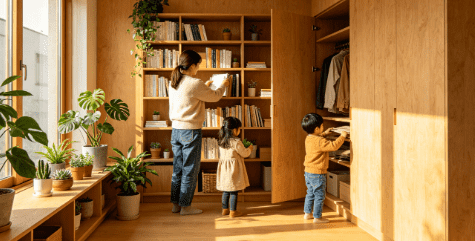
Tiêu chuẩn công trình xanh
- Tăng cường hội nhập của ván gỗ ép bền vững trong các dự án được LEED chứng nhận
- Áp dụng trong xây dựng thương mại, dân cư và mô-đun
Đổi mới công nghệ
- Chất kết dính Zero-VOC để có chất lượng không khí trong nhà an toàn hơn
- Bảng có hàm lượng tái chế cao đạt đến vật liệu tái chế 80%
- Tự động hóa trong sản xuất để giảm tiêu thụ năng lượng
Thông tin chi tiết về thị trường
- Nhu cầu toàn cầu về tấm gỗ bền vững được dự đoán sẽ tăng lên phát triển bởi 6–8% hàng năm
- Các lĩnh vực nội thất và thiết kế nội thất ngày càng đòi hỏi các vật liệu thân thiện với môi trường được chứng nhận
Nghiên cứu điển hình: Triển khai bảng điều khiển
Ví dụ: Một nhà sản xuất đồ nội thất châu Âu chuyển sang MDF được chứng nhận sinh thái với chất kết dính làm từ đậu nành cho tất cả các tủ.
- Kết quả trong Giảm 40% trong phát thải VOC
- Duy trì chi phí sản xuất đồng thời giảm dấu chân môi trường
- Tăng sức hấp dẫn đối với người tiêu dùng có ý thức về sinh thái
Phần kết luận
Ván gỗ ép bền vững đại diện cho a giải pháp thiết thực, thân thiện với môi trường đối với các ngành công nghiệp xây dựng và nội thất hiện đại.Bằng cách sử dụng vật liệu tái chế, chất kết dính phát thải thấp và nguồn gỗ được chứng nhận, các nhà sản xuất có thể giảm tác động đến môi trường trong khi vẫn duy trì hiệu suất và hiệu quả.
Đầu tư vào bền vững ván gỗ ép hỗ tr thực hành công trình xanh, bảo tồn rừng và môi trường trong nhà lành mạnh, phù hợp với xu hướng toàn cầu trong xây dựng và sản xuất đồ nội thất có ý thức sinh thái.
Tài liệu tham khảo:
- Hướng dẫn của Hội đồng Quản lý Rừng (FSC), 2023
- Tiêu chuẩn Chứng nhận PEFC, 2023
- Tiêu chuẩn phát thải Formaldehyde giai đoạn 2 của CARB
- Diễn đàn Phát triển bền vững Sản phẩm Gỗ, Sách trắng năm 2022
Câu hỏi thường gặp
Đang ván gỗ ép thân thiện với môi trường?
Có, đặc biệt là khi được làm từ sợi tái chế, chất kết dính có hàm lượng VOC thấp và nguồn gỗ được chứng nhận.
Làm thế nào để ván gỗ ép so với gỗ rắn?
Chúng tiết kiệm vật liệu hơn, tạo ra ít chất thải hơn và thường có lượng khí thải carbon thấp hơn đồng thời mang lại chất lượng ổn định.
Tôi có thể sử dụng ván gỗ ép cho đồ nội thất không?
Tuyệt đối. chúng được sử dụng rộng rãi cho tủ, kệ, sàn và tấm ốp.
Những chứng nhận nào cho thấy tính bền vững?
Tìm kiếm FSC, PEFC, CARB Giai đoạn 2, và nhãn sinh thái xác minh hàm lượng tái chế và lượng khí thải thấp.
Có sự khác biệt về độ bền?
Ván gỗ ép cao cấp là mạnh mẽ và ổn định, có thể so sánh với gỗ nguyên khối cho hầu hết các mục đích sử dụng đồ nội thất và xây dựng.
Ván gỗ ép bền vững có giá cao hơn không?
Chi phí thường xuyên so sánh hoặc thấp hơn hơn gỗ rắn, với tiết kiệm lâu dài về độ bền và hiệu quả vật liệu.
 Vietnamese
  English
  Arabic