
Tin tức
Máy rải keo: Khái niệm thực tế cho sản xuất ván ép
Mục lục theo Rank Math
Giới thiệu
Trong sản xuất ván ép, ứng dụng kết dính là một trong những chi tiết đầu tiên người mua nhận thấy khi họ so sánh chất lượng liên kết, độ ổn định của bảng điều khiển và chất thải sản xuất.Một máy rải keo phù hợp tốt giúp làm cho bước này dễ dàng hơn để kiểm soát trước khi tấm di chuyển vào lay-up và nhấn.
Hướng dẫn này giải thích các khái niệm thực tế đằng sau việc trải keo, bao gồm cấu trúc con lăn, kiểm soát màng keo, lựa chọn thiết bị và các câu hỏi phổ biến của người mua.Nó được viết cho chủ nhà máy, nhóm tìm nguồn cung ứng và quản lý sản xuất muốn có cách đánh giá thiết bị rõ ràng hơn trước khi yêu cầu báo giá.
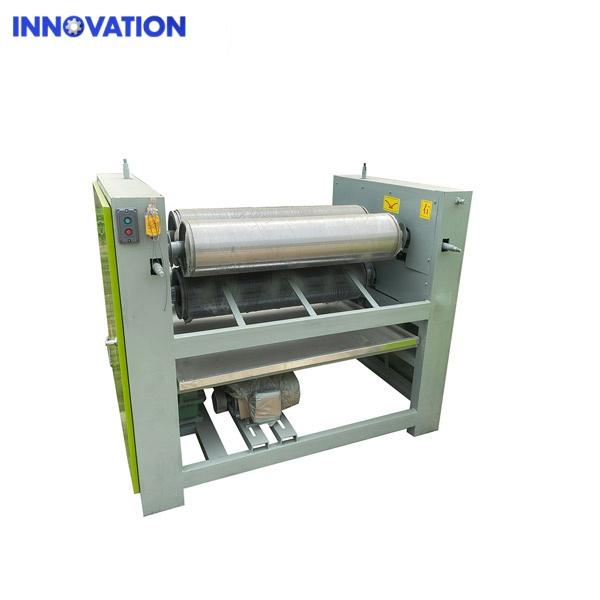
- Hiểu những gì một máy rải keo làm trong sản xuất ván ép và bảng điều khiển dựa trên gỗ nh.
- So sánh các khái niệm trải rộng một mặt, hai mặt và dựa trên con lăn.
- Tìm hiểu cách kiểm soát keo, tình trạng veneer và bố trí đường ảnh hưởng đến kết quả liên kết.
- Xem lại bảng thực tế để kết hợp các khái niệm máy với nhu cầu sản xuất.
- Sử dụng phần FAQ để trả lời các câu hỏi phổ biến của người mua một cách rõ ràng, thân thiện với tìm kiếm.
Máy rải keo là gì?
MỘT máy rải keo được sử dụng để dán keo đều lên veneer, lớp ván ép, lõi blockboard, hoặc khác vật liệu tấm gỗ. trong sản xuất ván ép, phân phối keo ổn định giúp cải thiện độ bền liên kết, giảm chất thải, và chuẩn bị các tấm để ép.
Khái niệm cơ bản rất đơn giản: vật liệu đi qua các con lăn được kiểm soát, và chất kết dính được chuyển lên bề mặt với số lượng dự kiến. giá trị thực đến từ tính nhất quán, bởi vì keo không đồng đều có thể dẫn đến liên kết yếu, khuyết tật bề mặt hoặc chi phí kết dính không cần thiết.
Khái niệm cốt lõi: Chuyển keo có kiểm soát
Chuyển keo có kiểm soát có nghĩa là máy áp dụng keo trong một lớp lặp lại thay vì để lại kết quả để chải thủ công. điều này làm cho quá trình sản xuất dễ dàng hơn để chuẩn hóa, đặc biệt là khi các nhà khai thác xử lý nhiều tờ mỗi gi.
Đối với các nhà sản xuất, khái niệm này kết nối trực tiếp với kiểm soát chất lượng.Khi lớp được áp dụng dễ dự đoán hơn, sau này ép lạnh hoặc quá trình ép nóng trở nên dễ quản lý hơn.
Tại sao áp suất con lăn lại quan trọng
Áp lực con lăn ảnh hưởng đến bao nhiêu chất kết dính đạt đến bề mặt veneer.Nếu áp lực quá nhẹ, lớp keo có thể không đầy đủ; nếu nó quá mạnh, vật liệu có thể bị ép hoặc quá tải.
Làm thế nào một máy rải keo hoạt động trong một dòng ván ép
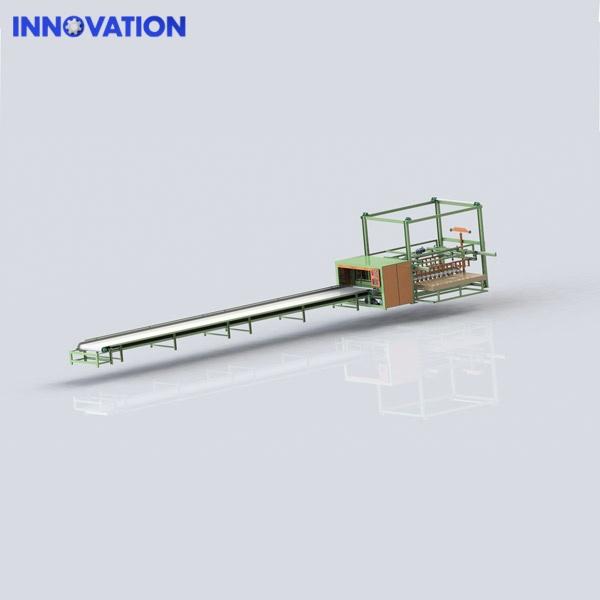
Trong một dòng ván ép điển hình, tấm veneer được chuẩn bị, sấy khô hoặc điều hòa, sau đó chuyển sang ứng dụng kết dính.Một máy rải keo giúp phủ bề mặt cần thiết trước khi bố trí và nhấn.
Người vận hành thường điều chỉnh khoảng cách con lăn, lưu lượng keo và tốc độ nạp theo độ dày veneer và loại chất kết dính. các cài đặt này nên làm việc cùng nhau thay vì riêng biệt, vì một thay đổi có thể ảnh hưởng đến lượng keo cuối cùng.
Cho ăn và tiếp xúc bề mặt
Vật liệu đi vào giữa các con lăn với tốc độ ổn định. cho ăn ổn định giữ cho lớp keo đồng đều hơn và giảm các khu vực bị bỏ qua gần mép của tấm.
Đối với veneer mỏng, cho ăn trơn tru là đặc biệt quan trọng. nếp nhăn nhỏ hoặc nhập không đồng đều có thể tạo ra các vấn đề liên kết có thể nhìn thấy sau khi nhấn.
Hình thành màng keo
Sự hình thành màng keo đề cập đến cách chất kết dính lan truyền trên bề mặt gỗ.Một bộ phim cân bằng không phải lúc nào cũng dày; nó phải phù hợp với cấu trúc bảng điều khiển, công thức kết dính và phương pháp ép.
Một bộ phim tốt giúp các lớp liên kết mà không bị vắt ra quá mức.Đây là một lý do nhiều nhà máy chú ý đến tình trạng con lăn và làm sạch hàng ngày.
Key Glue Spreader Các loại máy và trường hợp sử dụng
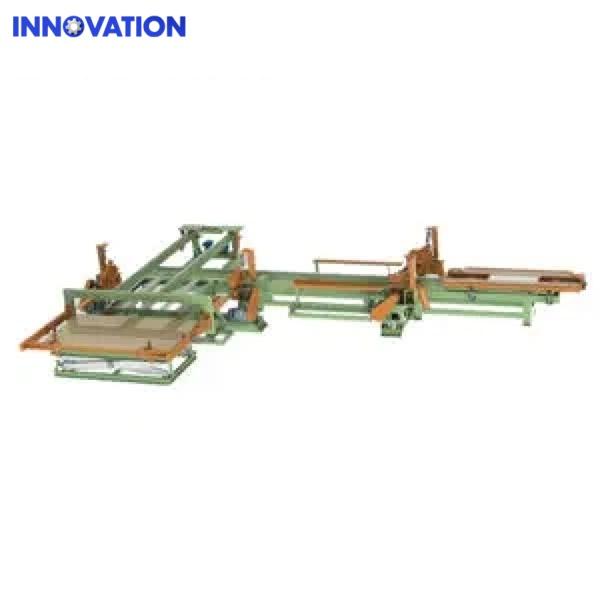
Dây chuyền sản xuất khác nhau có thể sử dụng các khái niệm trải rộng khác nhau. sự lựa chọn tốt nhất phụ thuộc vào việc nhà máy cần lớp phủ một mặt, lớp phủ hai mặt, sản lượng cao, hoặc hoạt động linh hoạt cho một số sản phẩm bảng điều khiển.
| Khái niệm máy | Sử dụng điển hình | Lợi thế chính | Người mua nên kiểm tra |
|---|---|---|---|
| Trải một mặt | Các lớp veneer được chọn hoặc công việc tập trung vào sửa chữa | Hoạt động đơn giản và độ phức tạp thiết lập thấp hơn | Liệu tốc độ đầu ra có phù hợp với quá trình sắp xếp hay không |
| Trải hai mặt | Sản xuất ván ép và bảng điều khiển nhiều lớp thông thường | Hiệu quả cao hơn cho lớp phủ liên tục | Cân bằng con lăn, kiểm soát keo và truy cập làm sạch |
| Cấu trúc bốn con lăn | Phân phối chất kết dính được kiểm soát nhiều hơn | Điều chỉnh tốt hơn cho màng keo đồng nhất | Chất lượng con lăn, kiểm soát khoảng cách, và nhu cầu bảo trì |
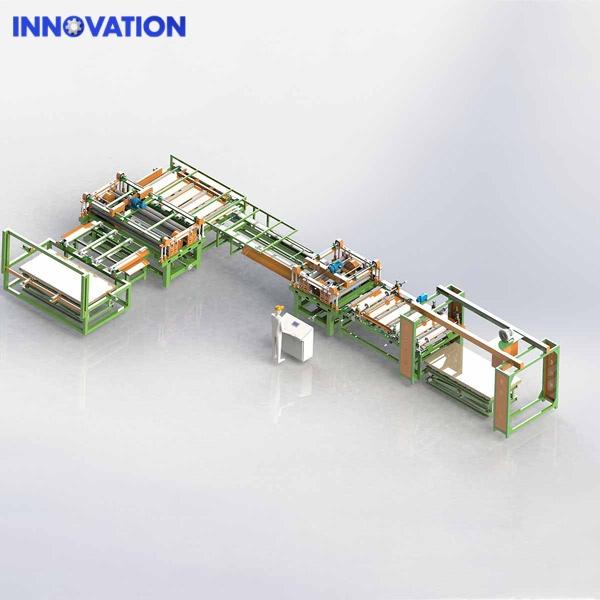
| Thiết kế tích hợp dòng | Dây chuyền sản xuất ván ép tự động | Kết nối dễ dàng hơn với băng tải và hệ thống bố trí | Bố trí nhà xưởng, chiều rộng làm việc và hỗ trợ dịch vụ |
Đơn mặt so với ứng dụng keo hai mặt
Ứng dụng một mặt có thể hữu ích khi quy trình chỉ yêu cầu chất kết dính trên một bề mặt. Nó thường dễ vận hành hơn, nhưng nó có thể yêu cầu xử lý nhiều hơn nếu đường dây cần phủ cả hai mặt.
Ng dụng hai mặt phổ biến hơn cho sản xuất ván ép khối lượng cao hơn.Nó có thể cải thiện hiệu quả quy trình làm việc vì cả hai bề mặt có thể được xử lý trong một lần khi cấu trúc bảng điều khiển yêu cầu.
Khi thiết bị đơn giản hơn có ý nghĩa
Một hệ thống đơn giản hơn có thể phù hợp với các nhà máy nhỏ hơn, sản xuất thử nghiệm hoặc dây chuyền với các loại sản phẩm đa dạng. chìa khóa không chỉ là giá máy, mà còn là liệu quá trình này có ổn định trong quá trình làm việc hàng ngày hay không.
Khi tự động hóa cao hơn có ý nghĩa
Tự động hóa cao hơn trở nên có giá trị hơn khi khối lượng sản xuất lớn và khó duy trì tính nhất quán lao động. trong trường hợp này, máy rải keo nên phù hợp với băng tải, thiết bị lay-up và công suất báo chí.
Các yếu tố lựa chọn quan trọng cho máy rải keo
Người mua thường hỏi về giá đầu tiên, nhưng hiệu suất lâu dài phụ thuộc vào một số chi tiết thực tế.Một máy rải keo phù hợp nên phù hợp với vật liệu, chất kết dính, chiều rộng làm việc, và nhịp điệu sản xuất của nhà máy.
Chiều rộng làm việc và Kích thước Veneer
Chiều rộng làm việc nên phù hợp với kích thước tấm phổ biến được sử dụng trong sản xuất.Nếu máy quá hẹp, nó hạn chế đầu ra; nếu nó rộng hơn nhiều so với cần thiết, nó có thể làm tăng chi phí và không gian sàn mà không có lợi ích rõ ràng.
Các nhà máy sản xuất kích thước bảng điều khiển khác nhau cũng nên xem xét điều chỉnh thuận tiện.Một thiết lập linh hoạt có thể giảm thời gian chết khi chuyển đổi đơn đặt hàng.
Loại chất kết dính và độ nhớt
Công thức keo khác nhau hành xử khác nhau trên con lăn. keo có độ nhớt cao hơn có thể cần kiểm soát mạnh hơn, trong khi keo có độ nhớt thấp hơn có thể chảy quá dễ dàng nếu máy không được điều chỉnh tốt.
Trước khi lựa chọn thiết bị, người mua nên chia sẻ loại keo, lượng keo mục tiêu và ứng dụng bảng điều khiển với nhà cung cấp.Điều này giúp nhà cung cấp đề xuất cấu hình con lăn và cho ăn phù hợp hơn.
Truy cập vệ sinh và bảo trì
Thiết bị liên quan đến keo phải dễ dàng làm sạch vì chất kết dính khô có thể ảnh hưởng đến hiệu suất của con lăn. truy cập tốt vào con lăn, bể chứa và khu vực tiếp xúc có thể tiết kiệm thời gian trong quá trình bảo trì hàng ngày.
Bảo trì cũng là một chủ đề chất lượng. con lăn sạch và khoảng cách ổn định giúp máy rải keo tiếp tục sản xuất một kết quả lớp phủ phù hợp theo thời gian.
So sánh khái niệm: Dán thủ công so với trải máy
Keo dán thủ công có vẻ linh hoạt, nhưng rất khó để giữ cùng một lượng keo trên mỗi tấm.Đối với một công việc sửa chữa nhỏ, điều đó có thể chấp nhận được; đối với sản xuất ván ép liên tục, biến thể có thể trở nên đắt tiền.
Máy lan truyền được thiết kế cho độ lặp lại.Nó hỗ trợ một quá trình đo lường được nhiều hơn, đặc biệt là khi một nhà máy muốn giảm chất thải keo và cải thiện sự ổn định liên kết.
Khái niệm chi phí: Chất thải dính so với đầu tư thiết bị
Quyết định chi phí không chỉ là giá mua thiết bị. chất thải dính, làm lại, thời gian lao động, và các tấm bị từ chối cũng ảnh hưởng đến chi phí sản xuất thực t.
Khi sản lượng ổn định, một máy rải keo có thể giúp kiểm soát các chi phí ẩn này.Đây là lý do tại sao nhiều người mua so sánh các thông số kỹ thuật của máy cùng với tiêu thụ keo và mục tiêu chất lượng bảng điều khiển.
Khái niệm chất lượng: Ngay cả lớp phủ so với phạm vi phủ sóng ngẫu nhiên
Ngay cả lớp phủ có nghĩa là chất kết dính được phân phối trên bề mặt theo cách có kế hoạch. độ che phủ ngẫu nhiên có thể trông chấp nhận được trước khi ép, nhưng các điểm yếu có thể xuất hiện sau đó như sự tách lớp hoặc liên kết kém.
Đối với các nhà máy sản xuất ván ép, mục tiêu không chỉ đơn giản là sử dụng nhiều keo hơn.Mục tiêu là áp dụng đúng lượng ở đúng nơi với sự tiếp xúc ổn định giữa các lớp.
Câu hỏi thường gặp về lựa chọn máy rải keo
Tôi nên chọn máy rải keo nào để sản xuất ván ép?
Hầu hết các nhà máy sản xuất ván ép nên bắt đầu bằng cách xác nhận kích thước veneer, năng lực sản xuất, loại chất kết dính, và cho dù ứng dụng một mặt hay hai mặt là cần thiết. những chi tiết này giúp thu hẹp sự lựa chọn chính xác hơn so với giá một mình.
Máy rải keo có tốt hơn ứng dụng keo thủ công không?
Đối với sản xuất liên tục, máy lan truyền thường tốt hơn vì nó phù hợp hơn và dễ kiểm soát hơn. ứng dụng thủ công vẫn có thể hữu ích cho việc sửa chữa nhỏ, mẫu hoặc công việc khối lượng thấp.
Làm sao để biết lớp keo quá nhiều hay quá ít?
Các dấu hiệu phổ biến bao gồm quá mức ép-ra, điểm khô, liên kết yếu, hoặc chất lượng bảng điều khiển không đồng đều sau khi nhấn.Một cách tiếp cận thực tế là để kiểm tra số lượng keo, tình trạng veneer, và các thiết lập báo chí với nhau thay vì kiểm tra một yếu tố một mình.
Một máy có thể làm việc với các tấm gỗ khác nhau không?
Có, một máy thường có thể làm việc với một số vật liệu bảng điều khiển dựa trên gỗ nếu kích thước, độ dày và yêu cầu kết dính nằm trong phạm vi điều chỉnh của nó. người mua nên xác nhận điều này với nhà cung cấp trước khi đặt hàng.
Tôi nên hỏi nhà cung cấp những gì trước khi mua?
Hỏi về chiều rộng làm việc, cấu trúc con lăn, các loại chất kết dính phù hợp, phương pháp điều chỉnh, phụ tùng thay thế, truy cập làm sạch và hỗ trợ sau bán hàng. nó cũng hữu ích để mô tả dây chuyền sản xuất hiện tại của bạn để nhà cung cấp có thể phù hợp với thiết bị chính xác hơn.
Phần kết luận
Một máy rải keo có giá trị nhất khi nó phù hợp với quy trình sản xuất đầy đủ, không chỉ là bước kết dính. người mua nên so sánh chiều rộng làm việc, cấu trúc con lăn, kiểm soát keo, làm sạch truy cập, và làm thế nào máy kết nối với thiết bị lát, ép, và cắt tỉa.
Để có quyết định mua hàng mạnh mẽ hơn, hãy xem xét kích thước veneer thực, công thức kết dính, mục tiêu đầu ra và thói quen bảo trì trước khi chọn mô hình. cách tiếp cận này giúp giảm lãng phí, cải thiện tính nhất quán của liên kết và giữ cho việc sản xuất ván ép dễ quản lý hơn theo thời gian.
 Vietnamese
  English
  Arabic