
Tin tức
Cái nào hiệu quả hơn: Máy ép laminate hoặc Thiết bị liên kết truyền thống?
Mục lục
Giới thiệu

Trong các ngành công nghiệp sản xuất và chế biến gỗ hiện đại, hiệu quả sản xuất liên quan trực tiếp đến chất lượng sản phẩm, chi phí vận hành và khả năng mở rộng sản xuất.Khi nhu cầu về tấm trang trí, ván ép và các sản phẩm gỗ kỹ thuật tiếp tục tăng, các nhà sản xuất đang ngày càng đánh giá xem liệu hệ thống ép laminate tiên tiến có mang lại hiệu quả tốt hơn so với thiết bị liên kết truyền thống hay không.
Các phương pháp liên kết truyền thống đã được sử dụng trong nhiều thập kỷ và vẫn còn phổ biến trong các xưởng nhỏ hơn và môi trường sản xuất khối lượng thấp.Tuy nhiên, công nghệ ép laminate đã chuyển đổi sản xuất công nghiệp bằng cách cải thiện tính nhất quán của liên kết, giảm thời gian sản xuất và hỗ trợ quy trình làm việc tự động.
Theo các nghiên cứu tối ưu hóa sản xuất công nghiệp, hệ thống ép tự động có thể cải thiện đáng kể thông lượng và giảm lãng phí vật liệu so với các phương pháp liên kết thủ công thông thường.
Bài viết này so sánh các hệ thống ép laminate và thiết bị liên kết truyền thống về hiệu quả, năng suất, kiểm soát chi phí, tính nhất quán về chất lượng và ứng dụng công nghiệp.
Máy ép Laminate Là Gì?
Máy ép cán là một máy công nghiệp được thiết kế để liên kết các bề mặt trang trí, tấm ép, veneers, hoặc phim lên các chất nền như MDF, ván ép, HDF, và bảng hạt.
Hệ thống sử dụng áp suất được kiểm soát, và trong nhiều trường hợp nhiệt, để đảm bảo liên kết ổn định và bền giữa các lớp.
Hệ thống máy ép cán thường được sử dụng trong:
- Sản xuất đồ nội thất
- Sản xuất bảng trang trí
- Chế biến gỗ kỹ thuật
- Sản xuất sàn nhiều lớp
- Hoàn thiện bề mặt nội thất
Máy ép cán hiện đại thường được tích hợp vào dây chuyền sản xuất tự động để sản xuất khối lượng lớn.
Thiết Bị Liên Kết Truyền Thống Là Gì?
Thiết bị liên kết truyền thống đề cập đến các hệ thống liên kết thủ công hoặc bán tự động dựa vào áp suất cơ học, ứng dụng kết dính và điều khiển người vận hành.
Ví dụ bao gồm:
- Hệ thống liên kết con lăn thủ công
- Thiết bị rải keo thông thường
- Máy ép cơ bản
- Dụng cụ liên kết vận hành bằng tay
Những phương pháp này thường phù hợp cho sản xuất quy mô nhỏ hoặc các quy trình cán màng ít phức tạp hơn.
Mặc dù thiết bị truyền thống đòi hỏi đầu tư ban đầu thấp hơn, nhưng nó thường phụ thuộc nhiều vào kỹ năng của người vận hành và quản lý quy trình làm việc thủ công.
Những khác biệt chính về hiệu quả sản xuất
Mức độ tự động hóa
Một trong những khác biệt lớn nhất giữa hệ thống máy ép cán và thiết bị liên kết truyền thống là tự động hóa.
Hệ thống ép laminate thường bao gồm:
- Điều khiển áp suất tự động
- Điều chỉnh nhiệt độ
- Tích hợp băng tải
- Giám sát quy trình kỹ thuật số
Thiết bị liên kết truyền thống thường yêu cầu vận hành thủ công nhiều hơn, tăng sự phụ thuộc vào lao động và giảm tính nhất quán của quy trình làm việc.
Tốc độ sản xuất
Hệ thống máy ép cán được thiết kế để sản xuất liên tục và tốc độ cao. kiểm soát chu kỳ tự động cho phép các nhà sản xuất xử lý khối lượng bảng lớn một cách hiệu qu.
Thiết bị liên kết truyền thống thường hoạt động ở tốc độ chậm hơn vì người vận hành phải xử lý thủ công việc định vị, điều chỉnh áp suất và chuyển vật liệu.
Tính nhất quán của liên kết
Một máy ép cán cung cấp phân phối áp suất ổn định trên toàn bộ bề mặt bảng điều khiển, cải thiện hiệu suất kết dính và giảm khuyết tật.
Các phương pháp truyền thống có thể tạo ra sự liên kết không đồng đều do áp lực không nhất quán hoặc lỗi xử lý thủ công.
Sử dụng vật liệu
Áp suất chính xác và kiểm soát quá trình giúp cán hệ thống máy ép giảm thiểu chất thải dính và giảm các sản phẩm bị lỗi.
Các phương pháp liên kết truyền thống có thể dẫn đến lãng phí vật liệu cao hơn do yêu cầu ứng dụng và làm lại không nhất quán.
Bảng so sánh: Máy ép Laminate vs Thiết bị liên kết truyền thống
| Tính năng | Máy ép Laminate | Thiết bị Bonding truyền thống |
|---|---|---|
| Tốc độ sản xuất | Cao | Trung bình đến thấp |
| Mức độ tự động hóa | Cao | Thấp |
| Yêu cầu lao động | Hạ thấp | Cao hơn |
| Tính nhất quán của liên kết | Ổn định và đồng nhất | Người vận hành phụ thuộc |
| Chất thải vật liệu | Hạ thấp | Cao hơn |
| Chất lượng bề mặt | Nhất quán | Biến |
| Khả năng mở rộng | Tuyệt vời cho sản xuất hàng loạt | Khả năng mở rộng hạn chế |
| Sự phức tạp trong bảo trì | Vừa phải | Đơn giản |
Sự so sánh này nhấn mạnh lý do tại sao hệ thống ép laminate được ưa chuộng rộng rãi trong môi trường sản xuất quy mô công nghiệp.
Làm thế nào hệ thống ép Laminate cải thiện hiệu qu
Chu kỳ sản xuất nhanh hơn
Máy ép cán hiện đại giảm thời gian xử lý thông qua quản lý chu trình tự động và kiểm soát áp suất tối ưu.
Cải thiện chất lượng sản phẩm
Áp suất và nhiệt độ ổn định cải thiện độ bền liên kết và tính nhất quán bề mặt, giảm khiếu nại của khách hàng và tỷ lệ từ chối sản phẩm.
Tích hợp quy trình làm việc tốt hơn
Máy ép cán có thể kết nối trực tiếp với hệ thống bốc xếp, băng tải để tạo ra dây chuyền sản xuất liền mạch.
Ưu điểm của Thiết bị liên kết truyền thống
Mặc dù hiệu quả thấp hơn, thiết bị liên kết truyền thống vẫn có lợi thế thực tế trong một số tình huống nhất định.
Đầu tư ban đầu thấp hơn
Các xưởng nhỏ hơn có thể thích thiết bị truyền thống hơn vì nó đòi hỏi ít vốn đầu tư hơn.
Bảo trì đơn giản hơn
Các hệ thống thủ công thường có ít thành phần phức tạp hơn và dễ sửa chữa hơn.
Tính linh hoạt cho sản xuất hàng loạt nhỏ
Các phương pháp liên kết truyền thống có thể phù hợp cho sản xuất tùy chỉnh hoặc khối lượng thấp, nơi tự động hóa hoàn toàn là không cần thiết.
Ứng dụng công nghiệp của hệ thống ép Laminate
Hệ thống máy ép cán được sử dụng rộng rãi trong các ngành công nghiệp đòi hỏi xử lý bề mặt trang trí chất lượng cao.
Sản xuất đồ nội thất
Chúng được sử dụng để sản xuất tấm đồ nội thất trang trí với chất lượng bề mặt ổn định và liên kết bền.
Sản xuất bảng trang trí
Các nhà sản xuất sử dụng máy ép cán cho bảng melamine, tấm nhiều lớp, và vật liệu trang trí nội thất.
Công nghiệp sàn
Sản xuất sàn nhiều lớp đòi hỏi phải kiểm soát áp suất và nhiệt độ chính xác để đảm bảo khả năng chống mài mòn và độ bền.
Chế biến Gỗ Kỹ thuật
Máy ép laminate nâng cao hiệu quả trong MDF, HDF, và các hoạt động hoàn thiện bề mặt ván ép.
Các yếu tố ảnh hưởng đến hiệu quả sản xuất
Một số yếu tố hoạt động ảnh hưởng đến hiệu suất của cả hệ thống máy ép cán và thiết bị liên kết truyền thống.
Chất lượng Keo
Lựa chọn chất kết dính kém có thể làm giảm độ bền liên kết bất kể loại thiết bị nào.
Nhiệt độ và Kiểm soát áp suất
Các thông số quy trình nhất quán là rất quan trọng cho chất lượng cán ổn định.
Kỹ năng vận hành
Các hệ thống truyền thống phụ thuộc rất nhiều vào kinh nghiệm và độ chính xác của người vận hành.
Bảo trì máy
Bảo trì đúng cách đảm bảo sự ổn định hiệu suất lâu dài và giảm thiểu thời gian chết.
Chuẩn bị vật liệu
Độ phẳng, độ sạch và độ ẩm của tấm đều ảnh hưởng đến chất lượng liên kết cuối cùng.
Xu hướng tương lai trong công nghệ ép Laminate
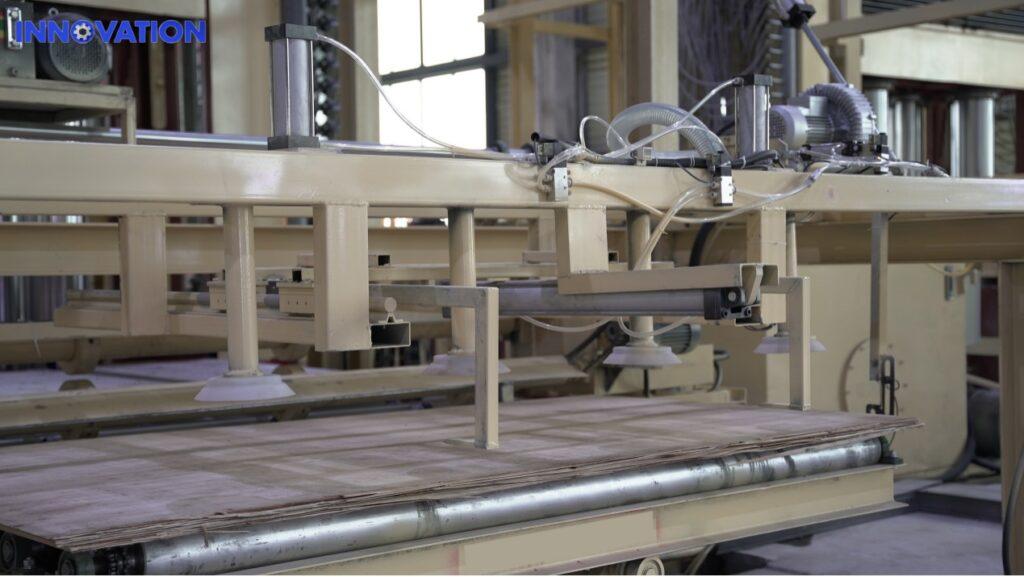

Hệ thống máy ép cán hiện đại tiếp tục phát triển theo hướng tự động hóa lớn hơn và sản xuất thông minh.
Giám sát sản xuất thông minh
Các hệ thống kỹ thuật số hiện cung cấp khả năng giám sát nhiệt độ, áp suất và hiệu quả sản xuất theo thời gian thực.
Hệ thống sưởi ấm tiết kiệm năng lượng
Các công nghệ sưởi ấm tiên tiến giúp giảm tiêu thụ năng lượng trong khi vẫn duy trì hiệu suất sản xuất.
Dây chuyền sản xuất hoàn toàn tự động
Các nhà sản xuất ngày càng tích hợp máy ép laminate với hệ thống xếp chồng tự động và tải robot.
Tích hợp Công nghiệp 4.0
Dữ liệu sản xuất hiện có thể được kết nối với các hệ thống quản lý nhà máy tập trung để bảo trì dự đoán và tối ưu hóa quy trình.
Phần kết luận
Khi so sánh các hệ thống ép laminate với thiết bị liên kết truyền thống, máy ép laminate rõ ràng mang lại hiệu quả cao hơn, tính nhất quán tốt hơn và khả năng mở rộng mạnh mẽ hơn cho sản xuất công nghiệp hiện đại.
Trong khi các phương pháp liên kết truyền thống vẫn hữu ích cho các hoạt động nhỏ hơn hoặc sản xuất tùy chỉnh, hệ thống ép laminate mang lại những lợi thế lớn trong môi trường khối lượng lớn, nơi tốc độ, chất lượng và tự động hóa là rất cần thiết.
Đối với các nhà sản xuất nhằm nâng cao năng suất, giảm lãng phí và duy trì chất lượng sản phẩm ổn định, đầu tư vào công nghệ ép laminate tiên tiến thường là giải pháp lâu dài hiệu quả nhất.
Câu hỏi thường gặp
A là gì ép laminate dùng để làm gì?
Một máy ép laminate được sử dụng để liên kết các tấm trang trí, veneers, hoặc phim lên MDF, ván ép, ván dăm, và các tấm khác.Nó cải thiện độ bền bề mặt, xuất hiện, và liên kết nhất quán trong sản xuất công nghiệp.
Làm thế nào để một báo chí laminate làm việc?
Một máy ép laminate áp dụng áp lực kiểm soát, và đôi khi nhiệt, để liên kết các vật liệu bề mặt lên các chất nền bảng điều khiển. quá trình đảm bảo độ bám dính mạnh mẽ, hoàn thiện mịn, và chất lượng sản phẩm ổn định trong quá trình sản xuất.
Những lợi thế của một máy ép laminate là gì?
Máy ép laminate cung cấp hiệu quả sản xuất cao hơn, chất lượng bề mặt phù hợp, giảm chất thải vật liệu và tự động hóa tốt hơn so với các phương pháp liên kết truyền thống.Chúng lý tưởng cho môi trường sản xuất quy mô lớn.
Những vật liệu nào có thể được xử lý bằng máy ép laminate?
Máy ép laminate thường được sử dụng cho MDF, ván ép, HDF, ván dăm, veneers, laminates trang trí, và tấm gỗ kỹ thuật trong sản xuất đồ nội thất và trang trí nội thất.
Làm thế nào để duy trì một máy ép laminate?
Bảo trì thường xuyên bao gồm kiểm tra hệ thống thủy lực, làm sạch trục ép, theo dõi cài đặt nhiệt độ và áp suất, và bôi trơn các bộ phận chuyển động. bảo trì thích hợp giúp đảm bảo hiệu suất ổn định và tuổi thọ máy dài hơn.
Cần giúp đỡ Chọn máy ép Laminate phù hợp?
Nếu bạn không chắc chắn máy ép laminate nào là tốt nhất cho dây chuyền sản xuất, vật liệu bảng điều khiển hoặc yêu cầu liên kết bề mặt của bạn, các chuyên gia của chúng tôi luôn sẵn sàng trợ giúp. Liên hệ với chúng tôi hôm nay để được tư vấn cá nhân và nhận được một giải pháp phù hợp giúp cải thiện hiệu quả sản xuất, chất lượng bề mặt và hiệu suất hoạt động lâu dài.Đừng đợi cho đến khi sự thiếu hiệu quả trong sản xuất ảnh hưởng đến đầu ra của bạn hãy liên hệ ngay để tối ưu hóa quy trình sản xuất và tăng cường lợi thế cạnh tranh của bạn!
 Vietnamese
  English
  Arabic