
Tin tức
Tấm gỗ nhiều lớp trong ứng dụng công nghiệp: Hướng dẫn kỹ thuật hoàn chỉnh
Chào mừng đến với Blog của tôi!
Tôi rất vui vì bạn đã ghé thăm. Trước khi chúng ta đi sâu vào nội dung, tôi rất muốn được kết nối với bạn ngoài trang này. Trên mạng xã hội, tôi thường xuyên chia sẻ những hiểu biết sâu sắc về ngành, cập nhật sản phẩm và những khoảnh khắc hậu trường — hơn nữa, đây còn là một nơi tuyệt vời để chúng ta tương tác!
Theo dõi chúng tôi trên Facebook: Công ty TNHH Thiết bị tự động hóa Shandong Chuangxin
Hãy cùng nhau phát triển và giữ kết nối. Giờ thì, hãy cùng khám phá blog nhé — tôi hy vọng bạn thấy nội dung này bổ ích, hấp dẫn và thực sự giá trị.
Mục lục
Những điểm chính của bài viết này
- Cái gì ván gỗ ép là và tại sao họ thống trị thị trường gỗ kỹ thuật hiện đại
- Hệ thống sản xuất công nghiệp và quy trình sản xuất
- Tiêu chuẩn kỹ thuật, chứng nhận và yêu cầu tuân thủ
- So sánh hiệu suất với gỗ nguyên khối và các vật liệu kỹ thuật khác
- Các trường hợp sử dụng công nghiệp thực tế và dữ liệu hiệu quả
- Tiêu chí lựa chọn cho các ứng dụng mua sắm và kỹ thuật
- Chiến lược bảo trì để kéo dài tuổi thọ sử dụng
- Xu hướng thị trường, hiểu biết về tính bền vững và triển vọng nhu cầu toàn cầu
- FAQ dựa trên hành vi tìm kiếm người mua thực t
Giới thiệu
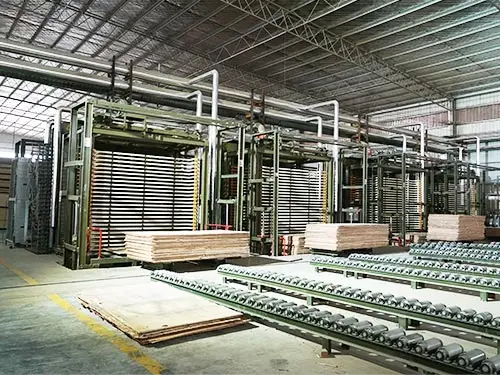
Trong hệ sinh thái chế biến gỗ và xây dựng công nghiệp ngày nay, ván gỗ ép không còn chỉ là một vật liệu thay thế inthey đang trở thành tiêu chuẩn toàn cầu cho sản xuất dựa trên gỗ có thể mở rộng, ổn định và tiết kiệm chi phí. từ hệ thống nội thất cao tầng ở châu Âu đến sản xuất đồ nội thất mô-đun ở châu Á, các tấm nhiều lớp được thiết kế đang thay thế gỗ rắn truyền thống với tốc độ tăng tốc.
Theo báo cáo thị trường gỗ kỹ thuật toàn cầu năm 2025, các sản phẩm làm từ gỗ ép chiếm hơn 62% của bảng gỗ công nghiệp sử dụng trên toàn thế giới, được thúc đẩy bởi ba lực lượng chính: hiệu quả vật liệu, quy định bền vững và tự động hóa trong dây chuyền sản xuất.
Không giống như gỗ nguyên khối tự nhiên, ván gỗ ép được thiết kế trong điều kiện công nghiệp được kiểm soát bằng công nghệ liên kết nhiều lớp. điều này cho phép các nhà sản xuất kiểm soát chính xác mật độ, độ ẩm, độ bền kết cấu và chất lượng hoàn thiện bề mặt các yếu tố then chốt trong chuỗi cung ứng công nghiệp hiện đại.
Hướng dẫn này cung cấp một sự cố kỹ thuật và thương mại sâu sắc của các tấm gỗ nhiều lớp, bao gồm hệ thống sản xuất, nguyên tắc kỹ thuật, tiêu chuẩn quốc tế và dữ liệu ứng dụng trong thế giới thực.
Định nghĩa công nghiệp và cấu trúc kỹ thuật của ván gỗ nhiều lớp
Khái niệm kỹ thuật của cấu trúc nhiều lớp
Ván gỗ nhiều lớp là các tấm được thiết kế bằng composite được tạo ra bằng cách liên kết nhiều lớp veneer gỗ, sợi hoặc hạt bằng chất kết dính tổng hợp dưới áp suất được kiểm soát.
Kiến trúc phân lớp này cải thiện:
- Độ ổn định kích thước
- Phân phối tải trọng kết cấu
- Khả năng chống nứt và biến dạng
Logic sản xuất công nghiệp
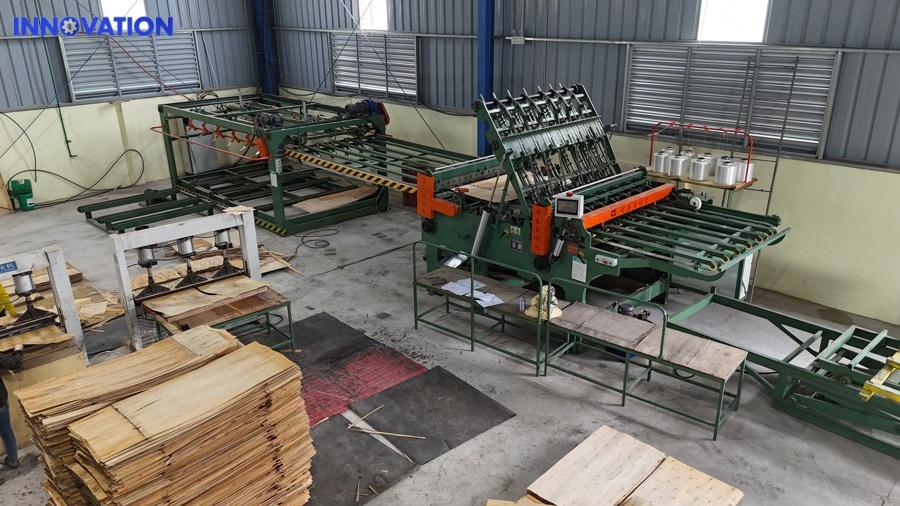
Trong sản xuất công nghiệp, ván gỗ ép không được lắp ráp thủ công mà được sản xuất thông qua hệ thống máy ép tự động.
Các hệ thống này kiểm soát nhiệt độ, áp suất, tỷ lệ chất kết dính và thời gian bảo dưỡng một cách chính xác.
Thành phần lớp vật liệu
Các tấm ván ép công nghiệp điển hình bao gồm:
- Lớp veneer bề mặt (trang trí hoặc bảo vệ)
- Lớp lõi (MDF, ván dăm hoặc gỗ nhiều lớp)
- Lớp cân bằng (tăng cường ổn định)
- Lớp liên kết dính công nghiệp
Mỗi lớp phục vụ một mục đích kỹ thuật chức năng hơn là giá trị thẩm mỹ thuần túy.
Quy trình sản xuất công nghiệp của ván gỗ nhiều lớp
Xử lý Veneer và Kiểm soát sấy khô
Veneer gỗ được cắt lát bằng máy quay hoặc máy cắt lát và sấy khô đến độ ẩm 6%–10%.
Phạm vi này rất quan trọng để ngăn chặn sự phân tách và mất ổn định cấu trúc trong tương lai.
Hệ thống ứng dụng dính
Chất kết dính công nghiệp như:
- Urê-formaldehyde (UF)
- Polyvinyl axetat (PVAc)
- Polyurethane (PU)
được áp dụng bằng cách sử dụng hệ thống phủ con lăn với sự kiểm soát chính xác Tốc độ trải keo 120–180 g/m2.
Công nghệ ép (Hệ thống ép lạnh & nóng)
Ván gỗ nhiều lớp được hình thành dưới hai hệ thống công nghiệp chính là:
- Ép lạnh (năng lượng thấp, chất lượng bề mặt cao)
- Ép nóng (đóng rắn tốc độ cao, hiệu quả sản xuất hàng loạt)
Áp suất ép thường dao động từ 0,8 MPa đến 2,5 MPa, tùy thuộc vào mật độ và độ dày của bảng.
Giai đoạn hiệu chuẩn và hoàn thiện
Sau khi ép, các bảng là:
- Cắt tỉa theo dung sai kích thước ± 0,2 mm
- Được chà nhám bằng máy chà nhám hiệu chuẩn nhiều đầu
- Kiểm tra các khuyết tật liên kết và tính đồng nhất bề mặt
Tiêu chuẩn công nghiệp toàn cầu cho ván gỗ nhiều lớp
EN 13986 (Tiêu chuẩn tấm nền gỗ Châu Âu)
Tiêu chuẩn này định nghĩa:
- Yêu cầu về độ bền cơ học
- Phân loại độ ẩm kháng
- Giới hạn phát thải formaldehyde
Các bảng được sử dụng trong các ứng dụng nội thất phải tuân th Cấp phát thải E1 hoặc E0.
ASTM D1037 (Tiêu chuẩn thử nghiệm của Hoa Kỳ)
Vỏ bọc:
- Mô đun đàn hồi (MOE)
- Sức mạnh liên kết nội bộ
- Tỷ lệ hấp thụ nước
ISO 12460 Kiểm tra phát thải Formaldehyde
Giới hạn mức phát thải để đảm bảo an toàn môi trường trong các ứng dụng dân dụng.
Tuân thủ CARB Giai đoạn 2 (Tiêu chuẩn California)
Một trong những quy định nghiêm ngặt nhất toàn cầu về kiểm soát lượng khí thải formaldehyde trong các sản phẩm gỗ kỹ thuật.
Ứng dụng công nghiệp của ván gỗ nhiều lớp
Công nghiệp Sản xuất Nội thất
Được sử dụng trong:
- Hệ thống tủ
- Nội thất văn phòng
- Kệ mô-đun
Dữ liệu ngành công nghiệp cho thấy các tấm nhiều lớp làm giảm chi phí vật liệu bằng cách 18 -32% so với sản xuất đồ gỗ rắn.
Kỹ thuật Xây dựng và Kiến trúc
Các ứng dụng bao gồm:
- Hệ thống ốp tường
- Cấu trúc trần
- Tấm vách ngăn nội thất
Sự ổn định của chúng làm cho chúng phù hợp với nội thất tòa nhà cao tầng, nơi thay đổi kích thước phải ở mức tối thiểu.
Hệ thống sàn và tấm kết cấu
Ván ép kỹ thuật được sử dụng rộng rãi trong:
- Laminate sàn lõi
- Các lớp gia cố sàn phụ
- Tấm xây dựng đúc sẵn
Ván gỗ nhiều lớp so với vật liệu thay thế
Bảng so sánh hiệu suất đầy đủ
| Tài sản | Ván Gỗ Laminated | Gỗ nguyên khối | Thép Tấm | Bảng Nhựa |
|---|---|---|---|---|
| Độ ổn định kích thước | Cao | Thấp -Trung bình | Rất cao | Cao |
| Hiệu quả chi phí | Cao | Thấp | Trung bình | Trung bình |
| Tính bền vững | Cao (sử dụng gỗ hiệu quả) | Trung bình | Thấp | Thấp |
| Cân nặng | Trung bình | Trung bình-Cao | Cao | Thấp |
| Xử lý linh hoạt | Cao | Trung bình | Thấp | Cao |
| Phù hợp công nghiệp | Rất cao | Thấp | Cao | Trung bình |
Giải thích kỹ thuật
Lợi thế tối ưu hóa kỹ thuật
Ván gỗ nhiều lớp là vật liệu kỹ thuật được tối ưu hóa cho hiệu quả sản xuất công nghiệp.
Họ giảm mức tiêu thụ gỗ thô lên tới 50% so với sản xuất gỗ rắn.
Giới hạn vật liệu tự nhiên
Gỗ rắn bị hạn chế bởi sự biến đổi hạt tự nhiên và độ nhạy ẩm.
Điều này dẫn đến hiệu suất công nghiệp không nhất quán.
Kỹ thuật Hiệu suất của Tấm gỗ nhiều lớp
Kỹ thuật phân phối tải
Cấu trúc nhiều lớp phân phối ứng suất theo các hướng hạt khác nhau.
Điều này làm giảm căng thẳng bên trong và cải thiện độ bền lâu dài.
Cơ chế ổn định độ ẩm
Rào cản dính ngăn chặn sự hấp thụ nước vào các lớp lõi.
Điều này làm giảm tỷ lệ sưng xuống dưới 8% trong môi trường độ ẩm được kiểm soát.
Nguyên tắc gia cố kết cấu
Định hướng lớp chéo cải thiện khả năng chống uốn lên tới 40% so với bo mạch một lớp.
Tấm đặc điểm kỹ thuật công nghiệp của ván gỗ nhiều lớp
| Tham số | Phạm vi công nghiệp | Chức năng |
|---|---|---|
| Độ dày | 3 mm – 50 mm | Tính linh hoạt của ứng dụng |
| Tỉ trọng | 550 – 750 kg/m³ | Sức mạnh kết cấu |
| Độ ẩm | 6% – 12% | Kiểm soát ổn định |
| Sức mạnh liên kết | ≥0,7 MPa | Tính toàn vẹn của cấu trúc |
| Phát thải Formaldehyde | Tiêu chuẩn E0/E1 | Tuân thủ môi trường |
| Dung sai bề mặt | ±0,2 mm | Yêu cầu chính xác |
Nghiên cứu trường hợp công nghiệp thực tế
Nghiên cứu điển hình 1: Nhà sản xuất đồ nội thất Châu
- Địa điểm: Đức
- Sản lượng: 12.000 tấm/ngày
- Vật chất: Ván gỗ ép MDF
- Kết quả: Giảm 27% trong chất thải sản xuất, chu kỳ lắp ráp nhanh hơn 19%
Nghiên cứu điển hình 2: Dự án xây dựng mô-đun châu Á
- Địa điểm: Việt Nam
- Ứng dụng: Hệ thống tường nội thất
- Kết quả: Giảm thời gian lắp đặt 35% so với tấm gỗ nguyên khối
Nghiên cứu điển hình 3: Chuỗi nội thất bán lẻ Bắc Mỹ
- Chuyển đổi vật liệu từ gỗ nguyên khối → ván nhiều lớp
- Giảm chi phí: 22% cho mỗi dòng sản phẩm
- Cải thiện tính nhất quán chất lượng: +31%
Hiệu quả sản xuất và hiểu biết dữ liệu ngành
Điểm nổi bật của giấy trắng bằng gỗ được thiết kế năm 2024:
- Tăng trưởng nhu cầu ván gỗ ép toàn cầu: 6.8% CAGR
- Thị phần sản xuất châu Á - Thái Bình Dương: trên 45% sản lượng toàn cầu
- Tiêu thụ lĩnh vực nội thất: người dùng hạ lưu lớn nhất (38%)
- Lợi thế giảm thiểu chất thải: lên đến 50–60% cải thiện hiệu quả gỗ thô
Những số liệu thống kê này xác nhận sự chuyển đổi từ gỗ tự nhiên sang các hệ thống nhiều lớp được thiết kế như một xu hướng sản xuất toàn cầu.
Tính bền vững và tác động môi trường
Sử dụng gỗ hiệu quả
Ván gỗ nhiều lớp tối đa hóa hiệu quả sử dụng gỗ.
Ngay cả gỗ cấp thấp cũng có thể được chuyển đổi thành các tấm kỹ thuật có giá trị cao.
Giảm dấu chân carbon
So với các lựa chọn thay thế bằng thép hoặc nhựa, ván ép giảm đáng kể lượng khí thải CO2 trong sản xuất.
Công nghệ kiểm soát formaldehyde
Hệ thống kết dính hiện đại giảm lượng khí thải xuống mức E0 gần bằng 0.
Điều này cải thiện sự tuân thủ chất lượng không khí trong nhà cho các ứng dụng dân cư.
Hướng dẫn lựa chọn công nghiệp cho Ván Gỗ Laminated
Dựa trên Application Load
Cấu trúc chịu tải nặng yêu cầu ván mật độ cao trên 700 kg/m³.
Các ứng dụng đồ nội thất nhẹ có thể sử dụng các tấm có mật độ thấp hơn.
Dựa trên điều kiện môi trường
Môi trường dễ bị ẩm đòi hỏi chất kết dính dựa trên PU.
Môi trường khô trong nhà có thể sử dụng các hệ thống dựa trên UF.
Dựa trên Yêu cầu về bề mặt
Bề mặt trang trí yêu cầu cấu trúc nhiều lớp veneer.
Các bảng chức năng ưu tiên sức mạnh cốt lõi hơn là tính thẩm m.
Kỹ thuật bảo trì và vòng đời
Chiến lược bảo vệ bề mặt
Bảo vệ bề mặt nhiều lớp bằng lớp phủ hoặc tấm mỏng.
Điều này kéo dài tuổi thọ bằng cách giảm thiệt hại mài mòn.
Giám sát kết cấu
Kiểm tra sự tách lớp hoặc sưng cạnh định kỳ.
Phát hiện sớm ngăn ngừa sự cố cấu trúc.
Tối ưu hóa lưu trữ
Bảo quản các tấm trong môi trường được kiểm soát độ ẩm (40–60% RH).
Tránh áp lực xếp chồng không đồng đều.
Xu hướng thị trường và triển vọng ngành
Tích hợp sản xuất thông minh
Các nhà máy đang tích hợp:
- Hệ thống giám sát IoT
- Phát hiện lỗi dựa trên AI
- Điều khiển ép tự động
Tăng trưởng xây dựng mô-đun
Nhu cầu về ván gỗ nhiều lớp đang tăng lên trong các hệ thống nhà ở đúc sẵn.
Nhu cầu chứng nhận công trình xanh
Chứng chỉ LEED và BREEAM đang thúc đẩy việc áp dụng các vật liệu gỗ kỹ thuật.
Câu hỏi thường gặp
Những gì là ván gỗ ép chủ yếu dùng cho?
Chúng được sử dụng rộng rãi trong sản xuất đồ nội thất, nội thất xây dựng, hệ thống sàn và cấu trúc mô-đun.
Ván gỗ ép có chắc chắn hơn gỗ nguyên khối không?
Có, do kỹ thuật nhiều lớp, chúng cung cấp hiệu suất cơ học ổn định hơn trong các ứng dụng công nghiệp.
Ván gỗ ép có chống thấm nước không?
Chúng có khả năng chống ẩm, nhưng không hoàn toàn chống thấm nước trừ khi được xử lý đặc biệt bằng lớp phủ PU hoặc nhựa.
Ván gỗ ép kéo dài bao lâu?
Ván cấp công nghiệp thường có tuổi thọ 10 -25 năm tùy thuộc vào điều kiện sử dụng và bảo trì.
Những ngành công nghiệp nào sử dụng ván gỗ ép nhiều nhất?
Các ngành nội thất, xây dựng, thiết kế nội thất và nhà ở tiền chế là những ngành sử dụng chính.
Ván gỗ ép có đạt tiêu chuẩn môi trường không?
Có, hầu hết các sản phẩm công nghiệp đều tuân thủ các quy định về phát thải EN, ASTM, ISO và CARB.
Phần kết luận
Ván gỗ nhiều lớp đã trở thành vật liệu nền tảng trong sản xuất công nghiệp toàn cầu do sức mạnh kỹ thuật, hiệu quả chi phí và lợi thế về môi trường. So với gỗ nguyên khối truyền thống, chúng mang lại tính nhất quán, khả năng mở rộng và tuân thủ các tiêu chuẩn bền vững hiện đại vượt trội.
Với sự tự động hóa ngày càng tăng, các quy định môi trường chặt chẽ hơn và nhu cầu ngày càng tăng đối với hệ thống xây dựng và đồ nội thất mô-đun, ván gỗ nhiều lớp sẽ tiếp tục thống trị thị trường gỗ kỹ thuật trong tương lai gần.
 Vietnamese
  English
  Arabic