
Tin tức
Máy ép nóng cho tấm ép cao áp và máy ép HPL công nghiệp 2026 Tổng quan
Chào mừng đến với Blog của tôi!
Tôi rất vui vì bạn đã ghé thăm. Trước khi chúng ta đi sâu vào nội dung, tôi rất muốn được kết nối với bạn ngoài trang này. Trên mạng xã hội, tôi thường xuyên chia sẻ những hiểu biết sâu sắc về ngành, cập nhật sản phẩm và những khoảnh khắc hậu trường — hơn nữa, đây còn là một nơi tuyệt vời để chúng ta tương tác!
Theo dõi chúng tôi trên Facebook: Công ty TNHH Thiết bị tự động hóa Shandong Chuangxin
Hãy cùng nhau phát triển và giữ kết nối. Giờ thì, hãy cùng khám phá blog nhé — tôi hy vọng bạn thấy nội dung này bổ ích, hấp dẫn và thực sự giá trị.
Mục lục
Những điểm chính của bài viết này
- Hiểu công nghệ ép laminate áp suất cao (HPL) hiện đại và vai trò công nghiệp của nó
- Làm thế nào một máy ép nóng cho tấm ép cao áp cải thiện độ bền liên kết và độ bền bề mặt
- Các khái niệm cốt lõi về cấu trúc, thủy lực và nhiệt đằng sau các hệ thống sản xuất HPL
- Xu hướng công nghiệp năm 2026 trong dây chuyền ép nóng laminate tự động
- So sánh giữa công nghệ ép nóng và ép lạnh trong sản xuất laminate
- Thông số kỹ thuật thực tế và ví dụ về cấu hình cấp sản xuất
- Phần FAQ dựa trên ý định tìm kiếm người dùng thực và hành vi mua hàng
Giới thiệu
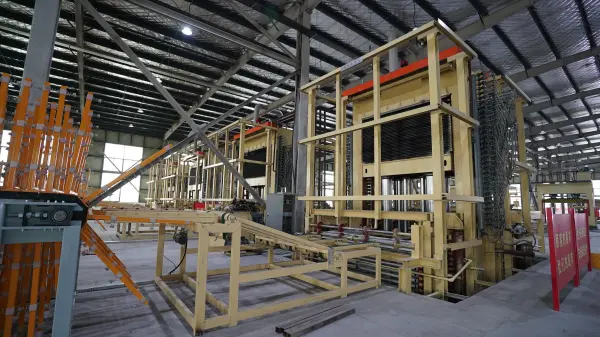
Tấm ép cao áp (HPL) được sử dụng rộng rãi trong đồ nội thất, tấm tường, mặt bàn, sàn, và hệ thống nội thất thương mại. hiệu suất của họ phụ thuộc rất nhiều vào cách các lớp tốt được liên kết dưới nhiệt và áp suất.
MỘT máy ép nóng cho tấm ép cao áp là thiết bị cốt lõi được sử dụng để hợp nhất giấy trang trí, các lớp tẩm nhựa và chất nền lõi thành một tấm composite bền.Năm 2026, các nhà sản xuất đang chuyển sang hệ thống ép tự động, tiết kiệm năng lượng và có độ chính xác cao để đáp ứng các tiêu chuẩn về chất lượng và môi trường toàn cầu.
Khi nhu cầu ngày càng tăng đối với các bề mặt chống trầy xước, chống ẩm và chống cháy, công nghệ ép nóng HPL tiếp tục phát triển thành một quy trình công nghiệp được thiết kế cao.
Báo chí HPL công nghiệp 2026 Tổng quan hệ thống
Hệ thống ép Laminate cao áp là gì?
Một hệ thống ép laminate áp suất cao là một thiết lập công nghiệp được thiết kế để liên kết nhiều lớp dưới điều kiện nhiệt, áp suất và thời gian được kiểm soát.
Các chức năng cốt lõi bao gồm:
- Xử lý nhựa ở nhiệt độ cao
- Liên kết nhiều lớp của bề mặt trang trí
- Làm đặc và hoàn thiện bề mặt
- Ổn định kết cấu của bảng composite
Vai trò của máy ép nóng cho tấm ép cao áp
Các máy ép nóng cho tấm ép cao áp đảm bảo liên kết vĩnh viễn các lớp tẩm nhựa.
Nó biến đổi các ngăn xếp nguyên liệu thành các tấm chống mài mòn, mật độ cao được sử dụng trong các môi trường đòi hỏi khắt khe.
Tại sao hệ thống công nghiệp năm 2026 lại khác
Các hệ thống hiện đại tập trung vào:
- Mức độ tự động hóa cao hơn
- Tiêu thụ năng lượng thấp hơn
- Phân vùng nhiệt độ chính xác
- Hệ thống điều khiển dựa trên PLC thông minh
Máy ép nóng cho tấm áp lực cao Nguyên tắc làm việc
Khái niệm kích hoạt nhiệt áp
Máy áp dụng nhiệt để kích hoạt nhựa nhiệt rắn.
Đồng thời, áp suất thủy lực đảm bảo sự thâm nhập đầy đủ vào cấu trúc sợi.
Hệ thống tuần hoàn dầu nhiệt
Dầu nhiệt chảy qua các kênh trục lăn để phân phối nhiệt ổn định.
Điều này ngăn ngừa sự đóng rắn không đồng đều và các khuyết tật bề mặt.
Công nghệ nén thủy lực
Xi lanh áp suất cao áp dụng lực đồng đều trên nhiều lớp.
Điều này đảm bảo mật độ nhất quán và tính toàn vẹn cấu trúc.
Máy ép HPL công nghiệp 2026 Thiết kế kết cấu
Khái niệm khung thép nặng
Khung được thiết kế cho hoạt động công nghiệp lâu dài.
Nó chống biến dạng dưới chu kỳ áp suất cao liên tục.
Thiết kế hệ thống Platen nhiều lớp
Hệ thống nhiều lớp tăng hiệu quả sản xuất bằng cách nhấn nhiều bảng cùng một lúc.
Đặc điểm chính:
- Khả năng sản xuất lớp 10 -15
- Bề mặt trục lăn được gia công chính xác
- Thiết kế nhiệt đầu vào/đầu ra dầu kép
Khái niệm hệ thống điều khiển thông minh PLC
Tự động hóa là một tính năng chính trong các hệ thống năm 2026.
Các chức năng bao gồm:
- Kiểm soát phân vùng nhiệt độ
- Lập trình giai đoạn áp lực
- Phối hợp tải tự động
- Giám sát khóa liên động an toàn
Máy ép nóng cho tấm ép cao áp Quy trình làm việc
Giai đoạn ngâm tẩm nhựa
Giấy trang trí được ngâm tẩm nhựa nhiệt rắn.
Điều này tạo thành nền tảng của độ bền bề mặt HPL.
Quy trình Layer Assembly
Nhiều lớp được xếp chồng lên nhau theo sự liên kết chính xác.
Ngay cả sự sai lệch nhỏ cũng có thể ảnh hưởng đến chất lượng bề mặt cuối cùng.
Giai đoạn chu kỳ ép nóng
Nhiệt và áp suất được áp dụng để bảo dưỡng.
Các thông số công nghiệp điển hình:
- Nhiệt độ: 130°C – 180°C
- Áp suất: 10 – 25 MPa
- Thời gian chu kỳ: 5 – 20 phút
Giai đoạn làm mát và ổn định
Sau khi ép, các tấm được làm mát để ổn định cấu trúc bên trong.
Điều này ngăn ngừa cong vênh và biến dạng ứng suất.
Ví dụ về đặc điểm kỹ thuật công nghiệp: Hệ thống ép nóng HPL
| Thành phần | Đặc điểm kỹ thuật |
|---|---|
| Tổng áp suất | 600T |
| Kích thước tấm | 1370 × 2700 mm |
| Số Platens | 11 lớp |
| Phương pháp gia nhiệt | Hệ thống dầu nhiệt |
| Xi lanh thủy lực | 220 × 1000 mm × 6 đơn vị |
| Hệ thống điều khiển | PLC hoàn toàn tự động |
| Công suất lắp đặt | 29,5KW |
Loại cấu hình này được sử dụng rộng rãi trong các cơ sở sản xuất HPL công nghiệp đòi hỏi sản lượng cao và chất lượng bề mặt ổn định.
Máy ép nóng cho tấm ép cao áp vs Hệ thống ép lạnh
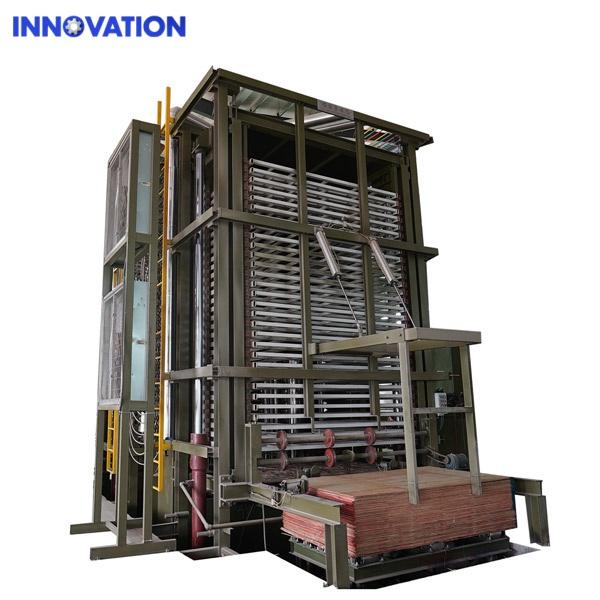
So sánh vai trò chức năng
Máy ép nóng hoàn thành quá trình đóng rắn cuối cùng.
Hệ thống ép lạnh ổn định vật liệu trước khi gia nhiệt.
So sánh hệ thống năng lượng
Ép nóng đòi hỏi đầu vào năng lượng nhiệt.
Ép lạnh hoạt động không có nhiệt.
So sánh giai đoạn sản xuất
Máy ép lạnh = ổn định trước khi ép
Báo chí nóng = đóng rắn cuối cùng và hình thành bề mặt
So sánh chất lượng đầu ra
Ép nóng tạo ra bề mặt có mật độ cao, chống mài mòn.
Ép lạnh đảm bảo sự liên kết cấu trúc và giảm khuyết tật.
Bảng so sánh: Máy ép nóng vs Máy ép lạnh trong sản xuất HPL
| Tính năng | Máy ép nóng | Máy ép lạnh |
|---|---|---|
| Yêu cầu nhiệt | Đúng | KHÔNG |
| Phạm vi áp suất | Cao (10–25 MPa) | Low–Medium (1–5 MPa) |
| Chức năng | Chữa cuối cùng | Ổn định trước |
| Chất lượng bề mặt | Độ bóng cao, bền | Căn chỉnh cơ bản |
| Tiêu thụ năng lượng | Cao | Thấp |
| Vai trò sản xuất | Sự hình thành sản phẩm cuối cùng | Giai đoạn tiền xử lý |
Ứng dụng công nghiệp của công nghệ báo chí HPL
Công nghiệp Sản xuất Nội thất
Dùng cho tủ, nội thất văn phòng, tấm trang trí.
Cung cấp bề mặt chống trầy xước và hấp dẫn trực quan.
Hệ thống nội thất kiến trúc
Được sử dụng trong tấm ốp tường và tấm trang trí nội thất.
Đảm bảo độ bền lâu dài trong không gian thương mại.
Công nghiệp nhà bếp và bàn
Được sử dụng cho bề mặt chống ẩm và chịu nhiệt.
Cải thiện hiệu suất vệ sinh và độ bền.
Dự án cơ sở hạ tầng công cộng
Được sử dụng trong bệnh viện, trường học, nội thất giao thông.
Cung cấp bề mặt chống cháy và chống va đập.
Hướng dẫn lựa chọn máy ép nóng cho tấm ép cao áp
Khái niệm lựa chọn công suất áp suất
Hệ thống áp suất cao hơn là cần thiết cho tấm HPL dày hoặc nhiều lớp.
Các nhà máy nhỏ thường sử dụng hệ thống trọng tải trung bình.
Hệ thống sưởi ấm Lựa chọn Concept
Hệ thống dầu nhiệt cung cấp khả năng kiểm soát nhiệt độ ổn định.
Hệ thống điện cung cấp bảo trì đơn giản hơn.
Khái niệm lựa chọn cấp độ tự động hóa
Hệ thống hoàn toàn tự động tăng hiệu quả và giảm lao động.
Hệ thống bán tự động giảm chi phí đầu tư ban đầu.
Khái niệm phù hợp quy mô sản xuất
Lựa chọn hệ thống phải phù hợp với yêu cầu đầu ra hàng ngày.
Sản xuất quy mô lớn đòi hỏi hệ thống ép nhiều lớp.
Xu hướng công nghiệp năm 2026 trong hệ thống báo chí HPL
Tích hợp tự động hóa thông minh
Các nhà máy đang ngày càng áp dụng hệ thống giám sát PLC + IoT.
Điều này cho phép theo dõi sản xuất theo thời gian thực và kiểm soát chất lượng.
Hệ thống tối ưu hóa năng lượng
Máy móc mới tập trung vào việc giảm tiêu thụ năng lượng nhiệt.
Hệ thống tái chế nhiệt đang trở nên phổ biến hơn.
Sản xuất chính xác cao
Máy ép hiện đại đạt được độ phẳng của trục lăn trong phạm vi dung sai 0,1 mm.
Điều này cải thiện tính nhất quán bề mặt trong sản xuất HPL.
Nhu cầu sản xuất bền vững
Các quy định về môi trường thúc đẩy chất kết dính phát thải thấp và hệ thống năng lượng hiệu quả.
Các nhà sản xuất đang nâng cấp thiết bị để đáp ứng các tiêu chuẩn tuân thủ toàn cầu.
Nghiên cứu điển hình về sản xuất thực tế
Một nhà sản xuất tấm laminate đã nâng cấp hệ thống của mình bằng a máy ép nóng cho tấm ép cao áp.
Trước khi nâng cấp:
- Bề mặt hoàn thiện không đồng đều
- 9–12% tỷ lệ lỗi
- Tiêu thụ năng lượng cao
Sau khi nâng cấp:
- Tỷ lệ lỗi giảm xuống 3–5%
- Cải thiện tính nhất quán của độ bóng bề mặt
- 25% tăng hiệu quả sản xuất
Kết quả cuối cùng:
Nhà máy cải thiện khả năng cạnh tranh xuất khẩu và giảm đáng kể lãng phí nguyên liệu.
Câu hỏi thường gặp
A là gì máy ép nóng cho tấm ép cao áp dùng để làm gì?
Nó được sử dụng để liên kết các lớp tẩm nhựa vào các tấm trang trí bền, mật độ cao dưới nhiệt và áp suất.
Nhiệt độ nào được sử dụng trong ép nóng HPL?
Thông thường từ 130 °C đến 180 °C tùy thuộc vào loại nhựa và độ dày vật liệu.
Chu kỳ ép nóng là bao lâu?
Hầu hết các chu kỳ dao động từ 5 đến 20 phút tùy thuộc vào yêu cầu sản xuất.
Sự khác biệt giữa HPL và laminate thông thường là gì?
HPL sử dụng áp suất và nhiệt độ cao hơn, dẫn đến bề mặt mạnh hơn và bền hơn.
Ép nóng có cần thiết cho sản xuất HPL không?
Có, nó là điều cần thiết cho việc bảo dưỡng nhựa và đạt được độ bền bề mặt cuối cùng.
Những ngành công nghiệp nào sử dụng hệ thống ép HPL
Nội thất, kiến trúc, hệ thống nhà bếp, nội thất thương mại.
Phần kết luận
MỘT máy ép nóng cho tấm ép cao áp là cốt lõi của sản xuất HPL hiện đại.Nó đảm bảo liên kết mạnh mẽ, chất lượng bề mặt cao cấp, và sản lượng công nghiệp ổn định.
Năm 2026, các nhà sản xuất áp dụng hệ thống ép HPL tiên tiến đạt được lợi thế rõ ràng về hiệu quả, độ bền và khả năng cạnh tranh trên thị trường toàn cầu.
 Vietnamese
  English
  Arabic