
Tin tức
Bảo trì máy cắt dải cạnh: Kéo dài tuổi thọ máy
Đề cương blog /Những điểm chính
- Hiểu được tầm quan trọng của việc thích hợp máy cắt dải cạnh BẢO TRÌ
- Quy trình bảo trì hàng ngày để có hiệu suất tối ưu
- Mẹo bôi trơn và làm sạch để tránh mài mòn
- Các vấn đề thường gặp và kỹ thuật khắc phục sự cố
- So sánh bảo trì máy cắt băng cạnh thủ công và tự động
- Nâng cao năng suất thông qua bảo trì thường xuyên
- Hướng dẫn an toàn và tiêu chuẩn vận hành
- Tin tức, đổi mới và nghiên cứu trường hợp trong ngành
- Câu hỏi thường gặp: Câu trả lời cho các câu hỏi bảo trì máy cắt dải cạnh phổ biến
- Chiến lược dài hạn để tối ưu hóa máy
Mở khóa năng suất tối đa: Tại sao bảo trì máy cắt băng tần cạnh là rất quan trọng
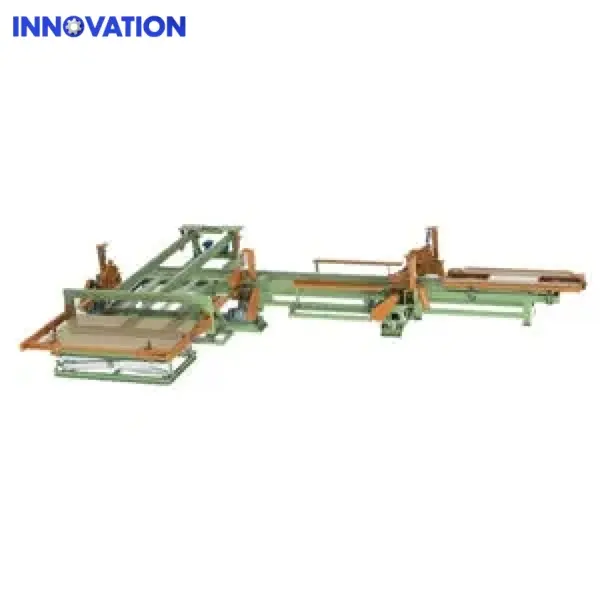
Trong ngành chế biến gỗ và gia công bảng điều khiển cạnh tranh ngày nay, ngay cả một trục trặc nhỏ của máy cũng có thể gây ra sự chậm trễ đáng kể và tổn thất tài chính. máy cắt băng cạnh là công cụ chính xác xác định chất lượng và tính nhất quán của các sản phẩm bảng điều khiển như ván ép, MDF và ván dăm. duy trì máy cắt băng cạnh của bạn không còn là tùy chọn của bạn nữa.Đầu là điều cần thiết để đạt được sự xuất sắc trong hoạt động, đáp ứng các tiêu chuẩn ngành và đảm bảo tuân thủ an toàn.
Cho dù bạn vận hành một xưởng nhỏ hay một nhà máy sản xuất lớn, hãy hiểu các sắc thái của máy cắt dải cạnh bảo trì có thể kéo dài đáng kể tuổi thọ máy, cải thiện chất lượng đầu ra và giảm thời gian chết.Hướng dẫn này cung cấp những hiểu biết có thể hành động, được hỗ trợ bởi dữ liệu ngành, khuyến nghị của chuyên gia và nghiên cứu trường hợp thực tế để giúp bạn đưa ra quyết định sáng suốt về thiết bị của mình.
Mục lục
Tại sao bảo trì máy cắt băng tần cạnh thông thường lại quan trọng
Bảo vệ khoản đầu tư của bạn
Máy cắt dải cạnh thường là một khoản đầu tư vốn đáng kể. một máy công nghiệp chất lượng cao có thể có giá từ $10.000 đến $50.000 tùy thuộc vào thông số kỹ thuật, mức độ tự động hóa và thương hiệu. bảo trì thích hợp bảo vệ khoản đầu tư này bằng cách giảm nguy cơ hỏng hóc, kéo dài tuổi thọ và giảm thiểu chi phí sửa chữa.
Nâng cao hiệu quả sản xuất
Một máy cắt băng cạnh được bảo trì tốt đảm bảo cắt chính xác, giảm nhu cầu làm lại.Theo sách trắng năm 2023 của Hiệp hội Máy móc Bảng gỗ (WPMA), các nhà máy thực hiện các quy trình bảo trì có cấu trúc đạt được hiệu quả sản xuất cao hơn tới 20% so với những nhà máy có bảo trì không thường xuyên.
Đảm bảo chất lượng sản phẩm nhất quán
Cắt tỉa và hoàn thiện nhất quán là rất quan trọng trong việc đáp ứng mong đợi của khách hàng.Các máy có lưỡi dao bị mòn, hướng dẫn sai lệch hoặc con lăn bẩn tạo ra các cạnh không đồng đều, có khả năng dẫn đến lãng phí vật liệu và sự không hài lòng của khách hàng.
Quy trình bảo trì hàng ngày cho máy cắt dải cạnh
Kiểm tra lưỡi dao trước khi sử dụng
Lưỡi dao là thành phần quan trọng nhất của máy cắt dải cạnh. Máy cắt cấp công nghiệp thường có lưỡi cưa quay tốc độ cao quay với tốc độ 5000–7000 vòng/phút. Kiểm tra lưỡi dao cho:
- Sứt mẻ hoặc nứt
- Mặc không đồng đều
- Gắn lỏng
Việc thay thế hoặc mài lưỡi dao ở dấu hiệu mòn đầu tiên sẽ ngăn ngừa vết cắt kém và biến dạng động cơ.
Làm sạch bề mặt máy
Bụi, cặn keo, dăm gỗ là những thủ phạm phổ biến làm suy giảm hiệu suất máy. vệ sinh hàng ngày bao gồm:
- Lau sạch bề mặt bằng vải không có xơ vải
- Sử dụng khí nén cho các khu vực khó tiếp cận
- Kiểm tra con lăn thức ăn để tích tụ mảnh vụn
Mẹo Bôi Trơn Nhanh
Bôi trơn làm giảm ma sát và mài mòn.Tập trung vào:
- Con lăn thức ăn: Áp dụng một lớp mỡ máy nh
- Vòng bi: Sử dụng chất bôi trơn được đánh giá ở nhiệt độ cao cho hoạt động nặng
- Vít điều chỉnh: Đảm bảo chuyển động trơn tru mà không có dầu thừa
Danh sách kiểm tra bảo trì máy cắt băng tần hàng tuần
| Nhiệm vụ | Tần số | Ghi chú |
|---|---|---|
| Kiểm tra lưỡi | Hàng tuần | Thay thế hoặc mài sắc khi cần thiết |
| Làm sạch con lăn thức ăn | Hàng tuần | Loại bỏ các mảnh vụn để hoạt động trơn tru |
| Bôi trơn các bộ phận chuyển động | Hàng tuần | Sử dụng dầu do nhà sản xuất khuyến nghị |
| Kiểm tra kết nối điện | Hàng tuần | Siết chặt các kết nối lỏng lẻo |
| Xác minh căn chỉnh | Hàng tuần | Đảm bảo các hướng dẫn được định vị chính xác |
| Kiểm tra hệ thống thủy lực | Hàng tuần | Kiểm tra rò rỉ và áp suất nhất quán |
Ghi chú: Thực hiện theo các quy trình hàng tuần này có thể tăng tuổi thọ của máy thêm 30–50%, dựa trên các nghiên cứu điển hình từ các nhà sản xuất ván ép hàng đầu ở Sơn Đông, Trung Quốc.
Các vấn đề thường gặp và khắc phục sự cố
Máy cắt dải cạnh Không cắt trơn tru
Nguyên nhân: Lưỡi dao xỉn màu, con lăn bị lệch hoặc tích tụ chất kết dính.Giải pháp: Thay thế lưỡi dao, sắp xếp lại con lăn và làm sạch thường xuyên.
Rung quá mức trong quá trình hoạt động
Nguyên nhân: Vít lỏng, lưỡi dao không cân bằng, hoặc vòng bi mòn.Giải pháp: Siết chặt tất cả các thành phần và hiệu chỉnh lại sự liên kết lưỡi.
Máy Quá Nóng
Nguyên nhân: Hoạt động liên tục, thông gió kém, hoặc quá tải.Giải pháp: Thực hiện nghỉ hoạt động, cải thiện làm mát, và kiểm tra động cơ cho mặc.
Tiếng ồn hoặc âm thanh bất thường
Nguyên nhân: Ma sát trong vòng bi, con lăn bị hỏng, hoặc lệch.Giải pháp: Bôi trơn vòng bi, thay thế con lăn bị hỏng, và đảm bảo thiết lập chính xác.
So sánh khái niệm: Bảo trì thủ công và tự động
| Tính năng | Bảo trì thủ công | Bảo trì tự động |
|---|---|---|
| Lao động | Cao | Thấp |
| Sự nhất quán | Người vận hành phụ thuộc | Kiểm soát chương trình, nhất quán |
| Chi phí trả trước | Hạ thấp | Cao hơn, ROI trong 1 -2 năm |
| Độ chính xác | Vừa phải | Cao |
| Thời gian ngừng hoạt động | Nguy cơ cao hơn | Giảm thiểu |
| Tốt nhất cho | Xưởng nhỏ | Sản xuất quy mô lớn |
Cái nhìn sâu sắc: Các hệ thống bảo trì tự động, bao gồm bôi trơn điều khiển bằng PLC và con lăn tự hiệu chuẩn, cung cấp hiệu suất có thể dự đoán được, đặc biệt là trong các nhà máy sản xuất hơn 10.000 tấm mỗi tuần.
Hướng dẫn An toàn và Tiêu chuẩn Hoạt động
Tuân thủ OSHA cho thiết bị chế biến gỗ
Máy cắt dải cạnh phải đạt tiêu chuẩn an toàn OSHA, bao gồm:
- Bảo vệ thích hợp xung quanh lưỡi dao
- Nút dừng khẩn cấp trong tầm tay
- Đào tạo người vận hành để xử lý an toàn
Kiểm soát chất lượng ISO 9001:2015
Tuân thủ các tiêu chuẩn ISO 9001:2015 đảm bảo rằng các quy trình bảo trì và vận hành đáp ứng các tiêu chuẩn chất lượng toàn cầu, giảm sự thay đổi về chất lượng bảng điều khiển.
Quy định về tiếng ồn và bụi
Hoạt động của máy cắt băng cạnh có thể tạo ra tiếng ồn lên tới 85 dB và các hạt vật chất mịn. sử dụng hệ thống hút bụi và bảo vệ thính giác để tuân thủ các chỉ thị của OSHA và EU.
Tin tức, đổi mới và nghiên cứu điển hình trong ngành
Nghiên cứu điển hình: Công ty TNHH Thiết bị tự động hóa Shandong Chuangxin
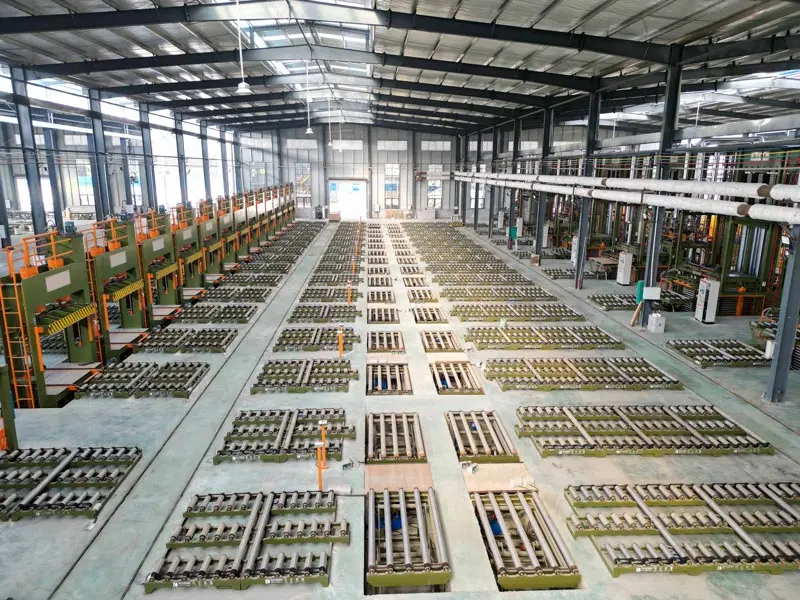
- Sản lượng nhà máy: 2800 tấm/ngày
- Tính năng máy cắt tỉa cạnh: Điều khiển tự động PLC, công tắc lân cận Omron, công tắc tơ Schneider
- Lợi ích: Giảm lao động 25%, cải thiện tính nhất quán của cạnh, giảm thời gian ngừng hoạt động
Điểm sáng tạo: Lưỡi quay tốc độ cao
Những tiến bộ gần đây trong cacbua-tipped, laser-cắt lưỡi quay cung cấp:
- Tuổi thọ dài hơn (lên đến 50.000 lần cắt trước khi thay thế)
- Cạnh sạch hơn, không có gờ
- Giảm tải động cơ
Xu hướng toàn cầu: Máy cắt băng thông cạnh thông minh
Máy hỗ trợ IoT có thể theo dõi độ mòn của lưỡi dao, mức độ bôi trơn và chu kỳ hoạt động, gửi cảnh báo để bảo trì. những người chấp nhận sớm ở Châu Âu và Bắc Mỹ báo cáo tiết kiệm chi phí lên tới 15% trong bảo trì và thời gian chết.
Chiến lược bảo trì dài hạn
Giữ Phụ tùng Tiện dụng
Các phần quan trọng bao gồm:
- Lưỡi dao (đường kính tiêu chuẩn 200–250 mm, đầu cacbua)
- Con lăn nạp (đường kính 50–80 mm)
- Vòng bi (608-2RS hoặc tương đương cấp công nghiệp)
Lên lịch kiểm tra chuyên nghiệp
Kiểm tra hàng năm có thể xác định các vấn đề ẩn như:
- Rò rỉ thủy lực
- Suy thoái cuộn dây động cơ
- Căn chỉnh trôi dạt
Duy trì Nhật ký bảo trì
Theo dõi:
- Thay thế lưỡi dao
- Lịch trình bôi trơn
- Điều chỉnh con lăn
- Kiểm tra điện
Tác động: Theo khảo sát WPMA năm 2022, các nhà máy duy trì nhật ký sẽ giảm thời gian ngừng hoạt động bất ngờ xuống 40%.
Những cân nhắc về môi trường và hoạt động
Hiệu quả năng lượng
Máy cắt dải biên hiện đại tiêu thụ từ 15 -25 kW tùy thuộc vào kích thước và tự động hóa. Bảo trì thường xuyên đảm bảo sử dụng năng lượng tối ưu, ngăn ngừa lãng phí năng lượng do ma sát hoặc biến dạng động cơ.
Chế biến gỗ bền vững
Máy cắt dải cạnh được bảo trì đúng cách làm giảm tỷ lệ phế liệu.Một nghiên cứu năm 2021 trên Tạp chí Chế biến Gỗ chỉ ra rằng các máy được bảo trì tốt sẽ cắt giảm chất thải lên tới 12%, góp phần vào các mục tiêu bền vững.
Phần kết luận
Bảo trì đúng cách máy cắt dải cạnh của bạn là điều cần thiết cho:
- Tuổi thọ của thiết bị
- Các cạnh bảng điều khiển nhất quán, chất lượng cao
- Giảm thời gian ngừng hoạt động và chi phí bảo trì
- Tuân thủ các tiêu chuẩn an toàn và công nghiệp
- Thực hành sản xuất bền vững
Bằng cách thực hiện các thói quen làm sạch hàng ngày, kiểm tra hàng tuần và kiểm tra chuyên nghiệp theo lịch trình, máy cắt băng cạnh của bạn sẽ không chỉ kéo dài hơn mà còn góp phần cải thiện năng suất và lợi nhuận. lưu giữ nhật ký bảo trì chi tiết và áp dụng các công nghệ thông minh hiện đại có thể nâng cao hơn nữa hiệu quả hoạt động và khả năng dự đoán.
Đầu tư vào bảo trì thích hợp bây giờ tiết kiệm chi phí, ngăn ngừa thời gian chết, và đảm bảo rằng sản xuất ván ép, MDF, hoặc particleboard của bạn đáp ứng cả khách hàng và kỳ vọng quy định.
Khái niệm bảo trì nâng cao cho máy cắt dải cạnh
Bảo trì dự đoán bằng IoT
Các nhà lãnh đạo ngành công nghiệp hiện đang sử dụng cảm biến IoT để theo dõi độ mòn của lưỡi dao, nhiệt độ động cơ và căn chỉnh con lăn trong thời gian thực. bảo trì dự đoán cho phép các nhà sản xuất lên lịch can thiệp trước khi sự cố xảy ra.
Lợi ích:
- Ngăn chặn thời gian chết bất ng
- Tối ưu hóa lịch trình thay thế lưỡi dao
- Theo dõi hiệu quả hoạt động trong thời gian thực
Hiểu được vai trò của vật liệu lưỡi dao
Máy cắt dải cạnh lưỡi dao thường được làm từ:
- Thép tốc độ cao (HSS): Chi phí-hiệu quả, bền, thích hợp cho cắt ván ép nói chung
- Lưỡi dao có đầu cacbua: Tuổi thọ dài hơn, độ chính xác cắt cao hơn, phù hợp với ván MDF và ván mật độ cao
Mẹo: Lưỡi dao có đầu cacbua làm giảm tần suất bảo trì lên tới 40% trong các hoạt động khối lượng lớn.
Vật liệu và bảo trì con lăn thức ăn chăn nuôi
Con lăn thức ăn ảnh hưởng đến chất lượng cắt và vận chuyển bảng trơn tru. vật liệu bao gồm:
- Con lăn phủ polyurethane: Chống trượt, giảm thiểu trầy xước
- Con lăn thép: Độ bền cao, nhưng yêu cầu căn chỉnh chính xác
- Con lăn bọc cao su: Kết thúc mềm nhưng dễ bị mòn
Mẹo bảo trì: Kiểm tra thường xuyên tính toàn vẹn bề mặt con lăn ngăn ngừa cắt không đồng đều và hư hỏng bảng điều khiển.
Nghiên cứu điển hình hoạt động: Nhà máy ván ép Sơn Đông
Một nhà sản xuất ván ép hàng đầu ở tỉnh Sơn Đông đã nâng cấp hệ thống cắt băng cạnh vào năm 2022:
- Loại máy: Máy cắt tỉa cạnh điều khiển PLC với nguồn cấp dữ liệu tự động
- Sản lượng: 2800 tấm/ngày
- Loại lưỡi: Đầu cacbua, đường kính 250 mm, được thay thế 6 tuần một lần
- Lịch bảo trì: Vệ sinh hàng ngày, bôi trơn hàng tuần, kiểm tra chuyên nghiệp hàng năm
Kết quả:
- Giảm chi phí lao động 25%
- Giảm lỗi bảng điều khiển bằng 18%
- Tiết kiệm năng lượng: 12% mỗi tháng do giảm căng thẳng động cơ
Trường hợp này chứng minh những lợi ích có thể đo lường được của việc bảo trì có cấu trúc, lựa chọn vật liệu phù hợp và tuân thủ các phương pháp vận hành tốt nhất.
So sánh: Máy cắt dải cạnh tốc độ cao so với các mẫu tiêu chuẩn
| Tính năng | Máy cắt băng tần cạnh tốc độ cao | Máy cắt băng cạnh tiêu chuẩn |
|---|---|---|
| Tốc độ cắt | 6000–7000 VÒNG/PHÚT | 4000–5000 VÒNG/PHÚT |
| Vật liệu Blade | Đầu cacbua | Thép Tốc Độ Cao |
| Độ chính xác | ±0,05 mm | ±0,2 mm |
| Thời gian ngừng hoạt động | Thấp hơn do bảo trì dự đoán | Cao hơn do thay thế lưỡi dao thường xuyên |
| Thích hợp cho | Sản xuất MDF & ván ép khối lượng lớn | Xưởng nhỏ, sử dụng nhẹ |
Cái nhìn sâu sắc: Máy cắt tốc độ cao kết hợp với hệ thống bảo trì dự đoán mang lại hiệu quả vượt trội, tuổi thọ lưỡi dài hơn và các cạnh chất lượng cao hơn so với các mẫu tiêu chuẩn.
Tiêu chuẩn và Hướng dẫn Công nghiệp
ISO 9001:2015
Việc áp dụng ISO 9001:2015 đảm bảo quy trình bảo trì của bạn đáp ứng các tiêu chuẩn quản lý chất lượng toàn cầu, tăng cường tính nhất quán trong sản xuất và truy xuất nguồn gốc.
hướng dẫn an toàn máy chế biến gỗ OSHA
Các điểm chính cho hoạt động của máy cắt dải cạnh:
- Bảo vệ phải ngăn chặn sự tiếp xúc của người vận hành với các lưỡi quay
- Các nút dừng khẩn cấp phải có thể truy cập rõ ràng
- Đào tạo người vận hành là bắt buộc để vận hành an toàn
Chứng nhận CE
Đối với các máy được bán ở Châu Âu, dấu CE cho biết tuân thủ các tiêu chuẩn an toàn máy móc của EU, đảm bảo rằng các hoạt động bảo trì của bạn phù hợp với các yêu cầu pháp lý và an toàn.
Cân nhắc về tính bền vững
Giảm phế liệu và chất thải
Máy cắt dải cạnh được bảo trì tốt giúp giảm lãng phí vật liệu. Các lưỡi dao được căn chỉnh đúng cách và con lăn sạch sẽ ngăn ngừa việc cắt tỉa quá mức và các khuyết tật của tấm. Theo nghiên cứu của Tạp chí Khoa học Gỗ năm 2021, việc bảo trì định kỳ có thể giảm tỷ lệ phế liệu xuống 10–15%.
Hiệu quả năng lượng
Máy cắt dải cạnh có vòng bi được bôi trơn và sạch sẽ tiêu thụ ít điện hơn 5–12% so với các máy được bảo trì kém, hỗ trợ các mục tiêu bền vững của công ty.
Tuân thủ môi trường
Hệ thống thu gom bụi cần được làm sạch thường xuyên và thay thế các bộ lọc để ngăn ngừa ô nhiễm môi trường và tuân thủ các quy định của địa phương về phát thải hạt.
Dụng cụ và phụ kiện bảo trì Edge Band Cutter
Công cụ cần thiết
- Cờ lê mô-men xoắn để thay thế lưỡi dao
- Vải và bàn chải làm sạch không có xơ vải
- Chất bôi trơn chất lượng cao (theo khuyến nghị của nhà sản xuất)
- Đồng hồ đo căn chỉnh con lăn
- Đồng hồ vạn năng để kiểm tra điện
Nâng cấp tùy chọn
- Bộ cảm biến IoT để bảo trì dự đoán
- Hệ thống bôi trơn tự động
- Đồ gá mài lưỡi để bảo trì trong nhà
Khái niệm nâng cao: Quản lý máy cắt băng thông cạnh thông minh
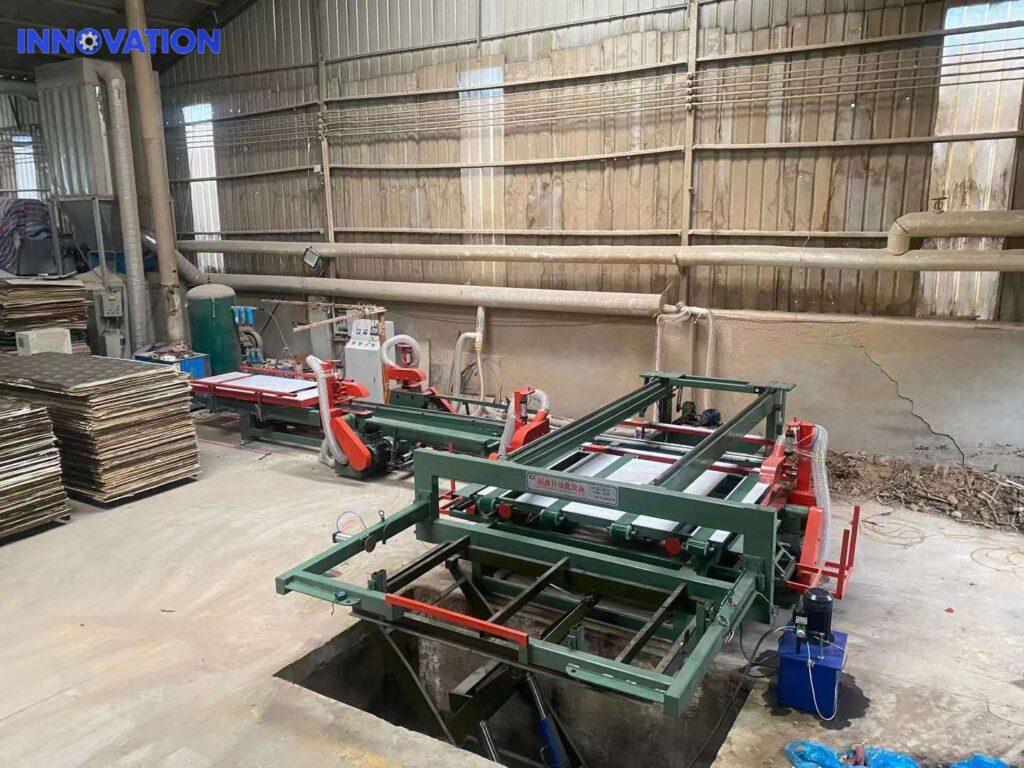
Nhật ký bảo trì kỹ thuật số
Hoạt động bảo trì theo dõi kỹ thuật số giúp người quản lý:
- Dự đoán chu kỳ thay thế bộ phận
- Xác định các vấn đề tái diễn
- Tạo báo cáo cho kiểm toán và kiểm soát chất lượng
Học máy để tối ưu hóa bảo trì
Các hệ thống điều khiển AI mới nổi phân tích dữ liệu vận hành để dự đoán khoảng thời gian bảo trì tối ưu, thời gian thay thế lưỡi dao và nhu cầu bôi trơn. những người chấp nhận sớm báo cáo tiết kiệm tới 15% chi phí vận hành.
Ví dụ thực tế về các phương pháp hay nhất về bảo trì máy cắt dải biên
Ví dụ 1: Nhà máy MDF Châu Âu
- Triển khai máy cắt dải biên hỗ trợ IoT
- Giảm thời gian chết bất ngờ 18% trong 6 tháng
- Duy trì độ chính xác cạnh ± 0,05 mm một cách nhất quán
Ví dụ 2: Xưởng ván ép Bắc Mỹ
- Thông qua lịch trình bảo trì hàng tuần và hàng tháng có cấu trúc
- Lưỡi dao được thay thế cứ sau 6 -8 tuần tùy thuộc vào mật độ bảng
- Đạt được 20% ít chất thải và cải thiện hiệu quả lao động
Ví dụ 3: Nhà sản xuất ván composite Châu Á
- Kết hợp làm sạch tự động với bôi trơn thủ công
- Tuổi thọ con lăn kéo dài từ 2 năm đến 4 năm
- Tiêu thụ năng lượng giảm 8% hàng năm
Câu hỏi thường gặp
Q1: Làm thế nào để tôi biết khi nào nên thay thế lưỡi dao?
Trả lời: Hãy tìm cách sứt mẻ, hình thành gờ, cạnh gồ ghề hoặc tải trọng động cơ tăng lên. Các hoạt động khối lượng lớn thường thay thế lưỡi cacbua cứ sau 6–8 tuần.
Q2: Bảo trì không đúng cách có thể ảnh hưởng đến bảo hành?
A: Có, nhiều nhà sản xuất vô hiệu bảo hành nếu nhật ký bảo trì bị thiếu hoặc sử dụng chất bôi trơn không chính xác.
Q3: Dấu hiệu của sự cố hệ thống thủy lực là gì?
A: Rò rỉ, chuyển động con lăn chậm, và tiếng ồn bất thường là các chỉ số chính. kiểm tra định kỳ ngăn ngừa thất bại lớn.
Q4: RPM của lưỡi ảnh hưởng đến tần số bảo trì như thế nào?
A: Lưỡi dao RPM cao hơn tạo ra nhiều nhiệt hơn và mài mòn nhanh hơn. theo dõi nhiệt độ động cơ và tình trạng lưỡi chặt ch.
Q5: Tôi nên chọn tự động hoặc thủ công máy cắt dải cạnh cho các workshop nhỏ?
Trả lời: Hệ thống thủ công có hiệu quả về mặt chi phí đối với các hoạt động có khối lượng thấp nhưng yêu cầu tuân thủ nghiêm ngặt các quy trình làm sạch và bôi trơn.
Q6: Có chất bôi trơn thân thiện với môi trường có sẵn?
A: Vâng, dầu máy phân hủy sinh học và không độc hại ngày càng được sử dụng trong các hoạt động chế biến gỗ bền vững.
Q7: Cảm biến thông minh cải thiện hiệu quả bảo trì như thế nào?
Trả lời: Cảm biến cung cấp cảnh báo theo thời gian thực về độ mòn của lưỡi dao, căn chỉnh con lăn và nhiệt độ động cơ, cho phép bảo trì dự đoán giúp giảm thời gian ngừng hoạt động.
 Vietnamese
  English
  Arabic