
Tin tức
Tiêu chuẩn ngành toàn cầu và yêu cầu chứng nhận cho hệ thống tông đơ viền dải
Chào mừng đến với Blog của tôi!
Tôi rất vui vì bạn đã ghé thăm. Trước khi chúng ta đi sâu vào nội dung, tôi rất muốn được kết nối với bạn ngoài trang này. Trên mạng xã hội, tôi thường xuyên chia sẻ những hiểu biết sâu sắc về ngành, cập nhật sản phẩm và những khoảnh khắc hậu trường — hơn nữa, đây còn là một nơi tuyệt vời để chúng ta tương tác!
Theo dõi chúng tôi trên Facebook: Công ty TNHH Thiết bị tự động hóa Shandong Chuangxin
Hãy cùng nhau phát triển và giữ kết nối. Giờ thì, hãy cùng khám phá blog nhé — tôi hy vọng bạn thấy nội dung này bổ ích, hấp dẫn và thực sự giá trị.
Mục lục
ISO và CE Tuân thủ trong Máy chế biến gỗ
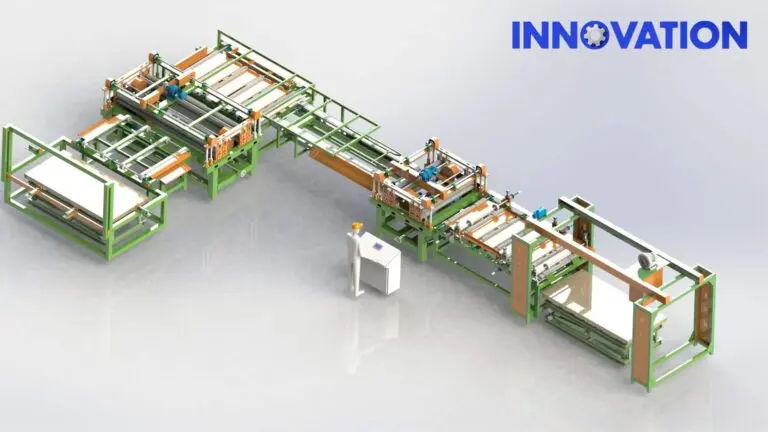
Hiện đại dải cạnh tông đơ các hệ thống phải tuân thủ nhiều tiêu chuẩn quốc tế để đảm bảo an toàn vận hành và tính nhất quán trong sản xuất:
- ISO 23125: Yêu cầu an toàn đối với máy chế biến gỗ
- ISO 19085: An toàn máy móc gia công tấm công nghiệp
- Chỉ thị Máy móc CE 2006/42/EC (tiêu chuẩn tuân thủ của EU)
- OSHA 1910 (Quy định an toàn máy tại nơi làm việc của Hoa Kỳ)
Các tiêu chuẩn này quy định:
- Thời gian đáp ứng của hệ thống dừng khẩn cấp (< 0,5 giây cần thiết trong hệ thống CE)
- Giới hạn mức ồn (thường < 85 dB trong môi trường công nghiệp)
- Hệ thống bảo vệ cơ học để bảo vệ lưỡi dao
- Xếp hạng cách điện an toàn điện
Thông tin chi tiết về Whitepaper công nghiệp: Đo điểm chuẩn hiệu quả (Báo cáo năm 2024)
Theo Sách trắng về ngành máy móc chế biến gỗ năm 2024 do Hiệp hội thiết bị bảng điều khiển châu Âu (EPEA) xuất bản:
Các nhà máy sử dụng hệ thống tông đơ viền dải tự động báo cáo:
- 42% giảm chi phí lao động hoàn thiện cạnh
- 37% cải thiện tính nhất quán đầu ra của bảng điều khiển
- 25% giảm chất thải vật liệu do lỗi cắt tỉa
- 18–22% cải thiện tốc độ giao hàng theo đơn hàng
Điều này khẳng định rằng tự động hóa hiện là động lực năng suất cốt lõi trong sản xuất bảng điều khiển.
Kiến trúc kỹ thuật nâng cao của Banding cạnh tông đơ Hệ thống
Thiết kế mô-đun cắt chính xác cao
Mô-đun cắt là cốt lõi của hệ thống và thường bao gồm:
- Hội đồng cưa tốc độ cao kép
- Lưỡi thép hợp kim cứng (HRC 58–62)
- Hệ thống cân bằng lưỡi động
- Cấu trúc trục chính chống rung
Tốc độ quay lưỡi dao thường đạt:
- 6.500–7.200 RPM tùy theo cấu hình
Điều này đảm bảo:
- Không hoàn thiện burr
- Chip vi mô tối thiểu
- Hình học cạnh nhất quán
Hệ thống đồng bộ hóa nguồn cấp dữ liệu thông minh
Các máy hiện đại sử dụng hệ thống điều khiển PLC đồng bộ để điều chỉnh việc cho ăn:
Các thông số hiệu suất chính:
- Độ chính xác của thức ăn: ± 0,2 mm
- Phạm vi điều chỉnh tốc độ: 0–55 m/phút
- Độ trễ phản hồi của động cơ servo: < 20 ms
Điều này đảm bảo rằng các tấm có độ dày khác nhau vẫn ổn định trong quá trình cắt.
Kiểm soát ổn định nhiệt trong hoạt động liên tục
Hệ thống tông đơ viền dải công nghiệp tạo ra nhiệt do:
- Ma sát tốc độ cao
- Hoạt động liên tục của lưỡi dao
- Căng thẳng tải động cơ
Để giải quyết vấn đề này, các hệ thống tiên tiến tích hợp:
- Bộ phận làm mát không khí cưỡng bức
- Vỏ nhôm tản nhiệt
- Cảm biến quá tải nhiệt
Nhiệt độ hoạt động được duy trì trong:
- Phạm vi tối ưu 45 °C -70 °C
Phân tích tác động kinh tế của Banding cạnh tông đơ Đầu tư
Mô hình phân tích ROI (Lợi tức đầu tư)
| Danh mục | Tác động giá trị |
|---|---|
| Giảm chi phí lao động | 30%–60% tiết kiệm |
| Tốc độ sản xuất Tăng | 25%–45% tăng |
| Giảm thiểu chất thải | Cải thiện 15%–30% |
| Tỷ lệ chi phí bảo trì | 5%–10% của tổng chi phí vận hành |
Kỳ ROI điển hình:
- Nhà máy nhỏ: 12–18 tháng
- Nhà máy trung bình: 8–14 tháng
- Dây chuyền công nghiệp lớn: 6–10 tháng
Cơ cấu chi phí của dây chuyền sản xuất đầy đủ
Một thiết lập công nghiệp đầy đủ bao gồm các hệ thống tông đơ cạnh dải thường bao gồm:
- Hệ thống băng tải cho ăn
- Đơn vị cắt
- Hệ thống thu gom bụi
- Tủ điều khiển PLC
- Đơn vị xếp chồng tự động
Phạm vi đầu tư ước tính:
- Dây chuyền công nghiệp đầu vào: $25,000 – $60,000
- Dây chuyền sản xuất trung bình: $60,000 – $150,000
- Hệ thống hoàn toàn tự động: $150,000 – $300,000+
Nghiên cứu trường hợp sản xuất thực tế (Phân tích mở rộng)

Nghiên cứu điển hình A: Nâng cấp nhà máy tấm MDF (Trung Quốc, 2023)
Trước khi tự động hóa:
- Sản lượng: 1.800 tấm/ngày
- Tỷ lệ lỗi: 6.8%
Sau khi lắp đặt hệ thống tông đơ viền dải:
- Sản lượng: 2.900 tấm/ngày
- Tỷ lệ lỗi: 2.1%
- Giảm lao động: 40%
Nghiên cứu điển hình B: Nhà sản xuất đồ nội thất
Thách thức:
- Hoàn thiện cạnh nhiều lớp không nhất quán
- Chi phí làm lại cao
Giải pháp:
- Tích hợp hệ thống tông đơ viền dải kép
Kết quả sau 6 tháng:
- 32% tăng tỷ lệ chấp nhận đơn hàng xuất khẩu
- Giảm 21% trong khiếu nại của khách hàng
- Cải thiện điểm kiểm toán chất lượng ISO 9001
Chuyển đổi kỹ thuật số trong hệ thống tông đơ viền dải
Tích hợp nhà máy thông minh
Các hệ thống hiện đại hiện nay hỗ trợ:
- MES (Hệ thống thực thi sản xuất)
- Tích hợp ERP để theo dõi sản xuất
- Giám sát máy dựa trên đám mây
Điều này cho phép:
- Phân tích sản xuất theo thời gian thực
- Chẩn đoán bảo trì từ xa
- Cảnh báo lỗi dự đoán
Giám sát máy dựa trên IoT
Theo dõi cảm biến:
- Mức độ mặc lưỡi
- Cường độ tải động cơ
- Biến động nhiệt độ
- Tính nhất quán của tốc độ thức ăn
Ví dụ về ngưỡng cảnh báo:
- Cảnh báo mài mòn lưỡi: > 70% suy thoái
- Cảnh báo quá tải động cơ: > 85% sử dụng công suất
Hệ thống bảo trì dự đoán AI
Các mô hình AI phân tích:
- Các mẫu tần số rung
- Dữ liệu kháng cắt
- Nhật ký phân tích lịch sử
Kết quả:
- 20%–35% giảm thời gian chết bất ng
Khoa học vật liệu trong hiệu suất tông đơ viền dải
Hành vi vật liệu Panel Trong Trimming
Các vật liệu khác nhau phản ứng khác nhau:
| Loại vật liệu | Cắt Khó | Rủi ro chất lượng cạnh |
|---|---|---|
| Ván ép MDF | Trung bình | Thấp |
| Ván ép | Trung bình | Trung bình |
| Bảng hạt | Cao | Cao |
| Laminate Bảng | Cao | Trung bình |
Công nghệ Vật liệu Blade
Lưỡi hiệu suất cao sử dụng:
- Tungsten carbide lời khuyên
- Các cạnh được phủ kim cương (hệ thống cao cấp)
- Lõi thép hợp kim được xử lý nhiệt
Những vật liệu này kéo dài tuổi thọ lưỡi dao bằng cách:
- 2× đến 4× so với lưỡi thép tiêu chuẩn
Chiến lược tối ưu hóa dây chuyền sản xuất
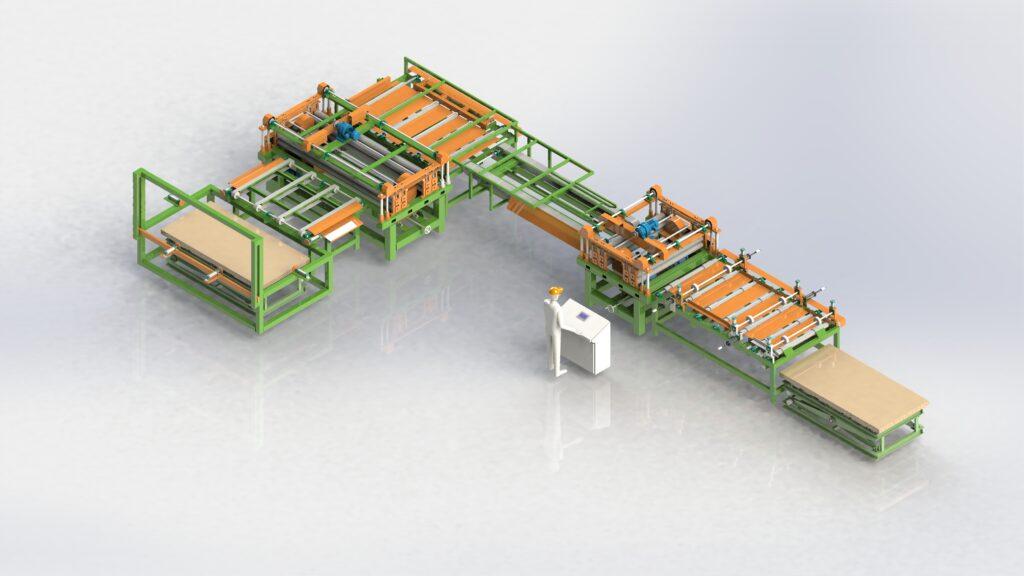
Nguyên tắc thiết kế bố cục
Bố trí nhà máy hiệu quả bao gồm:
- Thiết kế dòng chảy tuyến tính (ưu tiên)
- Quay lại vật liệu tối thiểu
- Các vùng nạp/thả riêng biệt
Chiến lược giảm thiểu nút cổ chai
Các nút thắt phổ biến:
- Xếp chồng thủ công
- Cho ăn không đúng hướng
- Thời gian chết thay thế lưỡi
Phương pháp tối ưu hóa:
- Tích hợp xếp chồng tự động
- Hệ thống cho ăn hai dòng
- Mô-đun lưỡi thay đổi nhanh
Các yếu tố môi trường và phát triển bền vững
Quản lý bụi và chất thải
Tông đơ viền dải hệ thống tạo ra:
- Hạt bụi gỗ mịn
- Chip thải cắt tỉa cạnh
Các hệ thống hiện đại tích hợp:
- Bộ thu bụi công nghiệp (≥ 95% hiệu quả)
- Kênh tái chế chất thải
Tối ưu hóa tiêu thụ năng lượng
Công nghệ tiết kiệm năng lượng:
- Biến tần số ổ đĩa (VFD)
- Tối ưu hóa động cơ servo
- Chế độ không tải giảm điện năng
Tiết kiệm năng lượng:
- 10%–25% tiêu thụ thấp hơn so với các hệ thống truyền thống
Triển vọng tương lai của ngành công nghiệp tông đơ viền dải (2025 -2030)
Dây chuyền chế biến gỗ tự chủ hoàn toàn
Các nhà máy trong tương lai sẽ có:
- Không cần tải thủ công
- Quét chiều hướng do AI điều khiển
- Đường ống hoàn thiện cạnh hoàn toàn tự động
Hệ thống cắt tỉa siêu nhỏ siêu chính xác
Các công nghệ mới nổi hướng tới:
- ± 0,05 mm độ chính xác cắt
- Khả năng hoàn thiện cạnh nano
- Không yêu cầu xử lý hậu kỳ
Xu hướng sản xuất bền vững
- Vật liệu lưỡi có thể tái ch
- Hệ thống servo năng lượng thấp
- Dây chuyền sản xuất trung hòa carbon
Phần kết luận
Sự tiến hóa của dải cạnh tông đơ từ một công cụ cắt tỉa đơn giản đến một hệ thống sản xuất hoàn toàn tự động phản ánh sự chuyển đổi rộng lớn hơn của ngành chế biến gỗ.
Ngày nay, năng lực cạnh tranh được định nghĩa bởi:
- Độ chính xác
- Mức độ tự động hóa
- Hiệu quả năng lượng
- Tích hợp kỹ thuật số
- Khả năng mở rộng sản xuất
Các nhà sản xuất áp dụng hệ thống cắt tỉa tiên tiến không chỉ cải thiện chất lượng cạnh mà còn tái cơ cấu toàn bộ nền kinh tế sản xuất của họ.
Trong thế hệ chế biến gỗ tiếp theo, việc cắt tỉa cạnh không còn là bước hoàn thiện nữa quy trình thông minh sản xuất cốt lõi.
Câu hỏi thường gặp
Tuổi thọ của a dải cạnh tông đơ?
Thông thường là 8 -12 năm tùy thuộc vào khối lượng công việc và chất lượng bảo trì.
Cần đào tạo bao nhiêu cho người vận hành?
Hoạt động cơ bản có thể được học trong 2–5 ngày đối với các hệ thống PLC hiện đại.
Một máy có thể xử lý nhiều kích thước bảng?
Có, hệ thống chiều rộng có thể điều chỉnh hỗ trợ cấu hình 1220mm–2500mm.
Tự động hóa có cần thiết cho các nhà máy nhỏ
Không bắt buộc, nhưng nó cải thiện đáng kể tính nhất quán và giảm sự phụ thuộc vào lao động.
Yếu tố chi phí hoạt động lớn nhất là gì?
Sự hao mòn của lưỡi dao và mức tiêu thụ năng lượng là hai chi phí chính liên tục.
 Vietnamese
  English
  Arabic