
Tin tức
Công nghệ ván ép nén tiên tiến trong kỹ thuật gỗ hiện đại
Chào mừng đến với Blog của tôi!
Tôi rất vui vì bạn đã ghé thăm. Trước khi chúng ta đi sâu vào nội dung, tôi rất muốn được kết nối với bạn ngoài trang này. Trên mạng xã hội, tôi thường xuyên chia sẻ những hiểu biết sâu sắc về ngành, cập nhật sản phẩm và những khoảnh khắc hậu trường — hơn nữa, đây còn là một nơi tuyệt vời để chúng ta tương tác!
Theo dõi chúng tôi trên Facebook: Công ty TNHH Thiết bị tự động hóa Shandong Chuangxin
Hãy cùng nhau phát triển và giữ kết nối. Giờ thì, hãy cùng khám phá blog nhé — tôi hy vọng bạn thấy nội dung này bổ ích, hấp dẫn và thực sự giá trị.
Mục lục
Những điểm chính của bài viết này
- Understand advanced manufacturing principles behind ván ép nén
- Explore industrial-grade density, strength, and performance data
- Compare plywood types using engineering and application standards
- Learn real-world use cases in construction, furniture, and logistics
- Review global standards and quality certification frameworks
- Analyze cost-performance decisions for industrial buyers
- Discover future trends in engineered wood technology
Giới thiệu
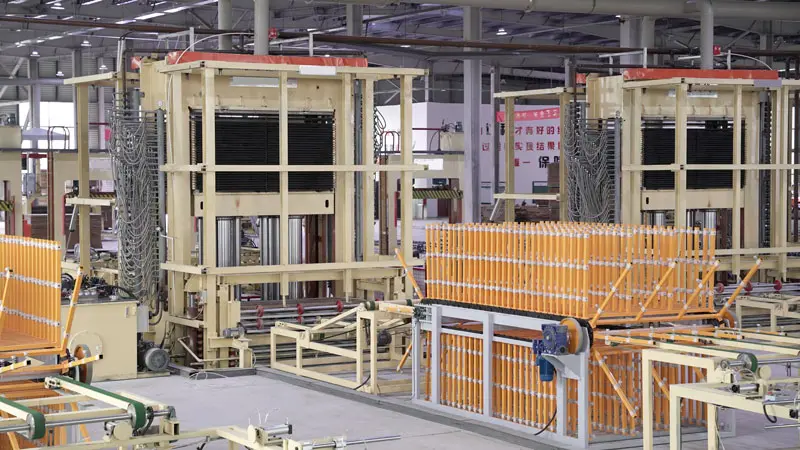
Compressed plywood is no longer just a traditional wood panel material. It has become a high-performance engineered solution used in construction, heavy-load flooring, industrial packaging, transportation systems, and modular building structures.
Driven by global demand for stronger, lighter, and more sustainable materials, compressed plywood has evolved through innovations in hydraulic pressing systems, resin chemistry, and automated production lines.
According to multiple industry reports from engineered wood associations, global plywood demand continues to grow steadily, with high-density engineered panels showing faster adoption rates in construction and industrial sectors due to their superior mechanical performance and cost efficiency over time.
Compressed Plywood Technology Overview
High-Pressure Compression Engineering
Compressed plywood is manufactured by applying controlled hydraulic pressure ranging from 8 MPa to 25 MPa, depending on density requirements and product grade.
This process reduces internal voids and increases bonding strength between veneer layers, resulting in improved structural stability.
Thermal Activation and Resin Chemistry
Modern compressed plywood production uses urea-formaldehyde (UF), phenol-formaldehyde (PF), or melamine-modified resins.
- UF resin: commonly used for indoor furniture
- PF resin: high durability, used in structural applications
- Melamine resin: improved moisture resistance
The curing temperature typically ranges between 120°C and 160°C, depending on resin type.
Layer Compression Alignment System
Advanced production lines use laser-guided alignment systems to ensure veneer precision within ±0.1 mm tolerance.
This improves:
- Độ phẳng bề mặt
- Mechanical consistency
- Structural uniformity
Engineering Properties of Compressed Plywood
Density Engineering Concept
Compressed plywood typically achieves a density range of:
- Standard plywood: 500–650 kg/m³
- Compressed plywood: 700–900 kg/m³
- High-performance grade: up to 1000 kg/m³
Higher density directly correlates with improved mechanical strength and load resistance.
Mechanical Strength Performance
Industry testing shows:
- Bending strength improvement: +25% to +60%
- Screw-holding strength: +40% compared to standard plywood
- Impact resistance: significantly improved under dynamic load
Moisture and Environmental Stability
Compressed plywood exhibits lower water absorption rates, typically:
- Standard plywood: 10%–18% absorption
- Compressed plywood: 5%–10% absorption
This makes it suitable for humid environments, warehouses, and semi-outdoor applications.
Types of Compressed Plywood in Industrial Applications

Standard Grade Compressed Plywood
Used in furniture, packaging, and interior construction.
Structural Grade Compressed Plywood
Used in load-bearing applications such as flooring and scaffolding platforms.
Marine Grade Compressed Plywood
Designed for high humidity, coastal infrastructure, and shipbuilding environments.
Fire-Retardant Compressed Plywood
Treated with chemical additives to meet fire safety regulations such as:
- ASTM E84 Class B
- EN 13501 fire rating standards
Compressed Plywood Technology vs Traditional Plywood
Structural Integrity Comparison
Compressed plywood provides:
- Higher density core
- Reduced internal voids
- Improved stress distribution
Traditional plywood is more prone to delamination under heavy load.
Manufacturing Process Difference
| Nhân tố | Ván ép nén | Traditional Plywood |
|---|---|---|
| Pressure Level | High (8–25 MPa) | Medium (2–8 MPa) |
| Tỉ trọng | 700–1000 kg/m³ | 500–650 kg/m³ |
| Độ bền | Cao | Trung bình |
| Hiệu quả chi phí | Long-term value | Lower upfront cost |
Application Suitability
Compressed plywood is preferred in:
- Infrastructure projects
- Heavy-duty furniture
- Industrial packaging systems
Industrial Manufacturing Process Breakdown
Step 1: Veneer Selection and Grading
Only high-quality logs are used, typically from eucalyptus, birch, or poplar species.
Step 2: Drying and Moisture Control
Độ ẩm giảm xuống 6%–12% before pressing to ensure stability.
Step 3: Adhesive Application
Uniform glue spreading ensures bonding consistency across layers.
Step 4: Hydraulic Compression Stage
Plates apply uniform pressure for 4–12 minutes depending on thickness.
Step 5: Cooling and Stabilization
Panels are cooled under controlled conditions to prevent warping.
Step 6: Surface Finishing
Includes sanding, coating, or laminating depending on end use.
Quality Standards and Certification Systems
ISO Certification Standards
Most compressed plywood manufacturers comply with:
- ISO 9001: Quality Management
- ISO 14001: Environmental Management
- ISO 45001: Occupational Safety
EN and ASTM Standards
- EN 636: Plywood classification system
- ASTM D3043: Structural panel testing
Tiêu chuẩn phát thải Formaldehyde
Global emission classifications include:
- E0 (≤0.5 mg/L)
- E1 (≤1.5 mg/L)
- E2 (≤5 mg/L)
Global Market Insights and Industry Trends
Market Growth Trend
Industry reports indicate steady growth in engineered wood demand driven by:
- Đô thị hóa
- Modular construction
- Sustainable building policies
Sự thay đổi bền vững
Compressed plywood is increasingly produced using:
- Low-emission adhesives
- FSC-certified wood sources
- Waste-reduction manufacturing systems
Digital Manufacturing Integration
Modern factories are adopting:
- AI-based pressure control systems
- IoT-enabled temperature monitoring
- Hệ thống bảo trì dự đoán
Case Studies: Real Industrial Applications
Case 1: High-Rise Construction Flooring
A Southeast Asian construction project used compressed plywood flooring panels to reduce material failure rates by over 30% compared to traditional panels.
Case 2: Export Packaging Industry
European logistics companies adopted compressed plywood crates for machinery transport, reducing damage rates during shipping.
Case 3: Modular Housing Systems
Compressed plywood panels are used in prefabricated housing systems due to their stability and lightweight structure.
Compressed Plywood Selection Guide
Density Selection Logic
Higher density = higher load capacity
Lower density = easier machining
Application-Based Selection
- Furniture → standard grade
- Construction → structural grade
- Marine → waterproof grade
Cost Optimization Strategy
Although compressed plywood has a higher upfront cost, lifecycle cost is lower due to durability.
Concept Engineering Section
Load Distribution Efficiency Concept
Compressed plywood distributes force evenly across layers, reducing localized stress points.
Structural Memory Stability Concept
Once compressed, the material maintains dimensional stability under varying humidity conditions.
Thermal Expansion Resistance Concept
Engineered wood resists deformation under temperature fluctuation better than natural wood.
Comparison: Compressed Plywood vs Other Materials
vs MDF Boards
MDF is smoother but weaker under load compared to compressed plywood.
vs Particle Board
Particle board is cost-effective but significantly lower in strength and moisture resistance.
vs Solid Wood
Solid wood is natural but prone to warping; compressed plywood offers better dimensional stability.
Câu hỏi thường gặp
Cái gì là ván ép nén used for in modern industries?
It is used in construction, furniture, shipping containers, flooring systems, and industrial packaging.
Is compressed plywood stronger than regular plywood?
Yes, due to higher density and improved bonding achieved through high-pressure manufacturing.
What is the typical lifespan of compressed plywood?
Depending on application, it can last 10–25 years under proper conditions.
Can compressed plywood be used outdoors?
Yes, especially waterproof or marine-grade versions designed for outdoor exposure.
Why is compressed plywood more expensive?
Higher production pressure, better materials, and advanced processing increase manufacturing costs.
Future Development of Compressed Plywood Technology
AI-Driven Production Control
Factories are integrating AI systems to optimize pressure and temperature in real time.
Green Manufacturing Evolution
Future production will focus on:
- Carbon-neutral adhesives
- Renewable raw materials
- Hệ thống ép tiết kiệm năng lượng
Hybrid Composite Panels
Next-generation panels may combine:
- Wood fibers
- Polymer reinforcement
- Nano-coating technologies
Phần kết luận
Compressed plywood represents a significant advancement in engineered wood technology, combining mechanical strength, environmental resistance, and production efficiency. With continuous improvements in hydraulic pressing systems, resin chemistry, and automation, it is becoming a core material in global construction and industrial manufacturing.
For buyers and manufacturers, understanding density grades, certification standards, and application-specific requirements is essential for making informed procurement decisions and maximizing long-term value.
 Vietnamese
  English
  Arabic