
Tin tức
Máy ép lạnh cho ván ép là gì và nó hoạt động như thế nào?
Mục lục
Giới thiệu
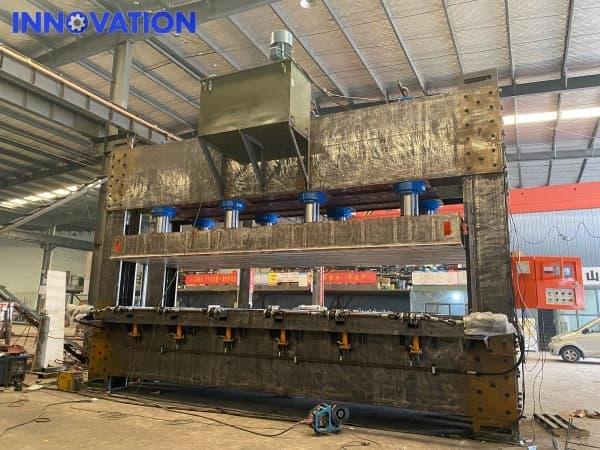
Trong chế biến gỗ hiện đại và sản xuất đồ nội thất, chất lượng ván ép đóng một vai trò quan trọng trong việc xác định độ bền, độ ổn định và hiệu suất của sản phẩm cuối cùng.Một trong những máy quan trọng nhất được sử dụng trong sản xuất ván ép là máy ép lạnh.
Một máy ép lạnh cho ván ép được sử dụng rộng rãi để liên kết nhiều lớp gỗ veneer với nhau bằng cách sử dụng áp suất thủy lực cao mà không cần áp dụng nhiệt. quá trình này đảm bảo tính toàn vẹn cấu trúc mạnh mẽ, cải thiện độ phẳng, và ổn định chất kết dính chữa.
Không giống như các hệ thống ép nóng, ép lạnh hoàn toàn dựa vào áp suất và liên kết được kiểm soát thời gian, làm cho nó đặc biệt thích hợp cho việc ép trước và ổn định cấu trúc trước khi xử lý cuối cùng.
Bài viết này giải thích máy ép lạnh cho ván ép là gì, cách thức hoạt động, cấu trúc, ứng dụng của nó và tại sao nó vẫn là một phần thiết yếu của hệ thống sản xuất ván ép hiện đại.
Máy ép lạnh cho ván ép là gì?
Máy ép lạnh cho ván ép là một hệ thống ép thủy lực công nghiệp được thiết kế để liên kết nhiều lớp tấm veneer thành một tấm ván ép duy nhất.
Nó áp dụng áp lực đồng đều trên các lớp gỗ xếp chồng lên nhau để đảm bảo độ bám dính mạnh mẽ giữa các veneer được phủ keo hoặc nhựa.
Máy này thường được sử dụng trong:
- Nhà máy sản xuất ván ép
- Dây chuyền sản xuất đồ nội thất
- Công nghiệp chế biến tấm gỗ
- Ép trước trước khi ép nóng hoạt động
Chức năng chính của nó là ổn định các lớp nhiều lớp trước khi đóng rắn lần cuối, cải thiện chất lượng sản phẩm tổng thể và giảm rủi ro biến dạng.
Làm thế nào để một máy ép lạnh cho ván ép làm việc?
Nguyên tắc làm việc của máy ép lạnh cho ván ép dựa trên áp suất thủy lực và liên kết được kiểm soát thời gian.
Đầu tiên, tấm veneer được phủ bằng chất kết dính và xếp chồng lên nhau theo lớp theo độ dày ván ép yêu cầu.
Vật liệu xếp chồng lên nhau sau đó được đặt vào máy ép lạnh giữa các tấm ép phẳng.
Tiếp theo, hệ thống thủy lực áp dụng áp lực nhất quán và đồng đều trên toàn bộ bề mặt của ngăn xếp. áp lực này nén các lớp lại với nhau, đảm bảo rằng chất kết dính lan truyền đều và liên kết chặt chẽ các veneer.
Quá trình ép tiếp tục trong một khoảng thời gian nhất định tùy thuộc vào loại vật liệu, đặc tính kết dính và yêu cầu sản xuất.
Sau khi ép, chồng ván ép được lấy ra và xử lý thêm hoặc chuyển sang máy ép nóng để liên kết cuối cùng, tùy thuộc vào quy trình sản xuất.
Các thành phần chính của một máy ép lạnh
Một máy ép lạnh cho ván ép bao gồm một số hệ thống thiết yếu đảm bảo hoạt động ổn định và hiệu qu.
Hệ thống thủy lực
Hệ thống thủy lực cung cấp lực ép cần thiết để nén các lớp veneer. áp lực ổn định là điều cần thiết cho chất lượng liên kết đồng đều.
Cấu trúc khung báo chí
Khung hỗ trợ hoạt động áp suất cao và đảm bảo sự ổn định cấu trúc trong quá trình sử dụng liên tục.
Tấm ép
Các tấm thép phẳng phân phối áp lực đều trên bề mặt ván ép để tránh liên kết không đồng đều.
Hệ thống điều khiển
Các máy hiện đại sử dụng hệ thống dựa trên PLC để kiểm soát áp suất, thời gian và chu kỳ hoạt động một cách chính xác.
Hệ thống an toàn
Chức năng dừng khẩn cấp và hệ thống bảo vệ quá tải đảm bảo vận hành công nghiệp an toàn.
Ưu điểm của việc sử dụng máy ép lạnh cho ván ép
Máy ép lạnh cung cấp một số lợi ích quan trọng trong sản xuất ván ép.
Cải thiện sức mạnh liên kết
Áp suất thủy lực đồng đều đảm bảo độ bám dính mạnh mẽ và nhất quán giữa các lớp veneer.
Độ phẳng của bảng điều khiển tốt hơn
Ép lạnh làm giảm căng thẳng bên trong, giúp duy trì bề mặt ván ép phẳng và ổn định.
Hiệu quả năng lượng
Vì không cần sưởi ấm nên mức tiêu thụ năng lượng thấp hơn đáng kể so với hệ thống ép nóng.
Giảm thiểu chất thải vật liệu
Kiểm soát áp suất ổn định làm giảm các khuyết tật như tách lớp, bong bóng và cong vênh.
Lý tưởng cho Pre-Pressing
Ép lạnh chuẩn bị các ngăn xếp ván ép để xử lý tiếp trong các hệ thống ép nóng, nâng cao hiệu quả sản xuất tổng th.
Bảng so sánh: Máy ép lạnh vs Máy ép nóng trong sản xuất ván ép
| Tính năng | Máy ép lạnh | Máy ép nóng |
|---|---|---|
| Sử dụng nhiệt | Không áp dụng nhiệt | Nhiệt + áp suất |
| Tiêu thụ năng lượng | Thấp | Cao hơn |
| Tốc độ sản xuất | Vừa phải | Nhanh |
| Quy trình Bonding | Ép trước | Chữa cuối cùng |
| Độ ổn định bề mặt | Cao | Cao |
| Trường hợp sử dụng tốt nhất | Nhấn trước /ổn định | Cán cuối cùng |
Sự so sánh này cho thấy máy ép lạnh đóng vai trò hỗ trợ nhưng thiết yếu trong quy trình sản xuất ván ép chất lượng cao.
Ứng dụng công nghiệp của máy ép lạnh cho ván ép
Máy ép lạnh được sử dụng rộng rãi trên các giai đoạn khác nhau của sản xuất bảng gỗ.
Sản xuất ván ép
Chúng được sử dụng để liên kết ban đầu của các lớp veneer trước khi ép nóng.
Sản xuất đồ nội thất
Chúng giúp tạo ra các tấm ổn định được sử dụng trong tủ, bàn và các thành phần đồ nội thất kết cấu.
Chế biến gỗ Panel
Chúng được áp dụng trong MDF và sản xuất gỗ kỹ thuật để cải thiện tính toàn vẹn cấu trúc.
Chuẩn bị cán màng
Ép lạnh đảm bảo bề mặt mịn và ổn định trước khi quá trình cán trang trí.
Các yếu tố ảnh hưởng đến hiệu suất ép lạnh
Một số yếu tố chính ảnh hưởng đến hiệu quả và chất lượng của máy ép lạnh cho ván ép.
Áp suất thủy lực ổn định
Áp lực nhất quán là điều cần thiết để liên kết đồng đều và ngăn ngừa khuyết tật.
Chất lượng Keo
Chất kết dính chất lượng cao đảm bảo liên kết ván ép mạnh mẽ và bền hơn.
Thời gian ép
Thời gian không chính xác có thể dẫn đến liên kết yếu hoặc chậm trễ sản xuất quá mức.
Chuẩn bị vật liệu
Độ phẳng của veneer, độ ẩm và tình trạng bề mặt ảnh hưởng trực tiếp đến kết quả cuối cùng.
Bảo trì máy
Bảo trì thường xuyên đảm bảo sự ổn định lâu dài và giảm các lỗi vận hành.
Các vấn đề và giải pháp thường gặp
Vấn đề phân tách
Thường gây ra bởi áp lực không đủ hoặc phân phối chất kết dính kém.
Độ dày của tấm không đồng đều
Kết quả từ việc xếp chồng không nhất quán hoặc mất cân bằng áp suất.
Sản lượng sản xuất chậm
Có thể là do hệ thống thủy lực không hiệu quả hoặc cài đặt chu kỳ không chính xác.
Làm cong bề mặt
Thường gây ra bởi áp lực không đồng đều hoặc chuẩn bị vật liệu không đúng cách.
Kiểm soát và bảo trì quy trình phù hợp có thể ngăn ngừa hiệu quả những vấn đề này.
Mẹo bảo trì cho hiệu suất dài hạn
Để đảm bảo hoạt động đáng tin cậy, bảo trì thường xuyên là rất cần thiết:
- Kiểm tra hệ thống thủy lực thường xuyên
- Làm sạch tấm ép để đảm bảo tiếp xúc phẳng
- Kiểm tra mức dầu và chất lượng chất lỏng
- Bôi trơn các thành phần di chuyển
- Hiệu chỉnh hệ thống kiểm soát áp suất
Bảo trì nhất quán cải thiện tuổi thọ máy và ổn định sản xuất.
Xu hướng tương lai trong công nghệ máy ép lạnh
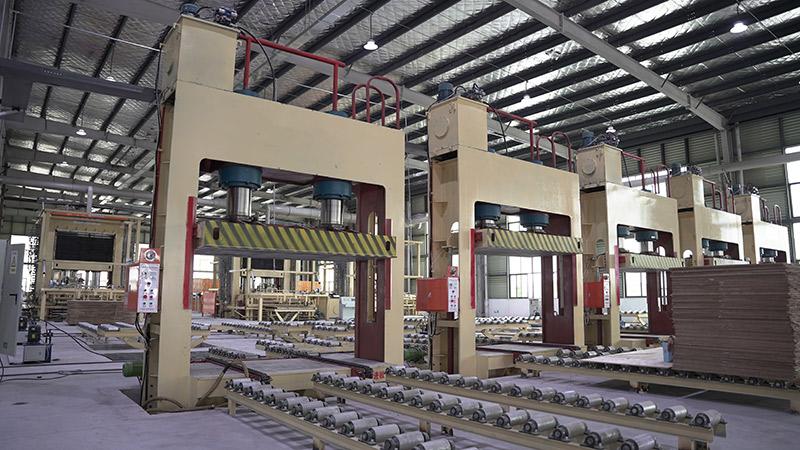
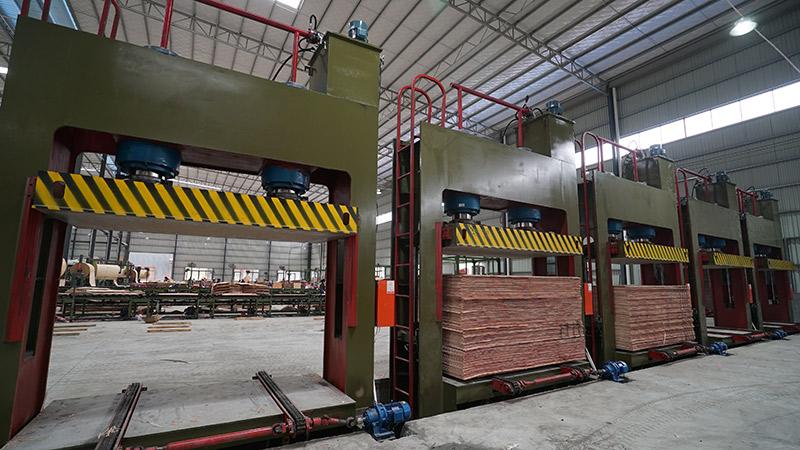
Máy ép lạnh đang phát triển với xu hướng tự động hóa công nghiệp hiện đại.
Hệ thống kiểm soát áp suất thông minh
Giám sát kỹ thuật số cải thiện độ chính xác và giảm sự can thiệp thủ công.
Tối ưu hóa năng lượng
Hệ thống thủy lực được cải tiến giúp giảm tiêu thụ năng lượng và tăng hiệu quả.
Tích hợp tự động hóa
Máy ép lạnh ngày càng được tích hợp vào dây chuyền sản xuất tự động.
Sản xuất dựa trên dữ liệu
Giám sát thời gian thực cho phép bảo trì dự đoán và tối ưu hóa sản xuất.
Phần kết luận
Một máy ép lạnh cho ván ép là một thành phần cơ bản trong sản xuất bảng gỗ hiện đại.Bằng cách áp dụng áp suất thủy lực phù hợp mà không cần nhiệt, nó đảm bảo liên kết mạnh mẽ, cải thiện sự ổn định của bảng điều khiển, và hiệu suất ép trước hiệu qu.
Trong khi thường được sử dụng kết hợp với các hệ thống ép nóng, vai trò của nó trong việc ổn định các lớp veneer làm cho nó cần thiết cho sản xuất ván ép chất lượng cao. các nhà sản xuất tìm kiếm đầu ra nhất quán và độ tin cậy cấu trúc tiếp tục dựa vào công nghệ ép lạnh như một phần quan trọng trong quá trình sản xuất của h.
Câu hỏi thường gặp
A là gì máy ép lạnh cho ván ép dùng để làm gì?
Một máy ép lạnh cho ván ép được sử dụng để liên kết nhiều lớp veneer với nhau bằng áp suất thủy lực. nó cải thiện sự ổn định của bảng điều khiển, đảm bảo độ bám dính mạnh mẽ và chuẩn bị ván ép để xử lý thêm hoặc ép nóng.
Làm thế nào để một máy ép lạnh cho ván ép làm việc?
Nó hoạt động bằng cách xếp chồng các tấm veneer dán và áp dụng áp suất thủy lực đồng đều. áp suất nén các lớp, đảm bảo phân phối chất kết dính thậm chí và liên kết mạnh mẽ mà không cần sử dụng nhiệt.
Ưu điểm của máy ép lạnh cho ván ép là gì?
Nó cung cấp độ phẳng bảng tốt hơn, độ bền liên kết mạnh, tiêu thụ năng lượng thấp hơn và giảm khuyết tật vật liệu. nó cũng lý tưởng cho việc ép trước trước các quá trình ép nóng.
Những vật liệu nào có thể được xử lý bằng máy ép lạnh cho ván ép?
Nó chủ yếu được sử dụng cho gỗ veneers, lớp ván ép, tấm MDF, và tấm gỗ kỹ thuật đòi hỏi phải liên kết ổn định trước khi cuối cùng chữa hoặc cán.
Làm thế nào để duy trì một máy ép lạnh cho ván ép?
Bảo trì bao gồm kiểm tra mức dầu thủy lực, kiểm tra hệ thống áp suất, làm sạch tấm ép, và bôi trơn các bộ phận chuyển động. bảo trì thường xuyên đảm bảo hiệu suất ổn định và tuổi thọ máy dài hơn.
Cần giúp đỡ Chọn máy ép lạnh phù hợp cho ván ép?
Nếu bạn không chắc chắn máy ép lạnh nào là tốt nhất cho dây chuyền sản xuất ván ép, loại vật liệu hoặc yêu cầu liên kết của bạn, các chuyên gia của chúng tôi luôn sẵn sàng trợ giúp. Liên hệ với chúng tôi hôm nay để được tư vấn cá nhân và nhận được một giải pháp phù hợp giúp cải thiện sự ổn định ép, sức mạnh liên kết và hiệu quả sản xuất lâu dài.Đừng đợi cho đến khi các vấn đề sản xuất ảnh hưởng đến đầu ra của bạn hãy liên hệ ngay bây giờ để tối ưu hóa quy trình sản xuất của bạn và tăng cường lợi thế cạnh tranh của bạn!
 Vietnamese
  English
  Arabic