
Tin tức
Hướng dẫn máy ép nóng ván ép: Sổ tay công nghiệp hoàn chỉnh cho sản xuất ván ép hiện đại
Chào mừng đến với Blog của tôi!
Tôi rất vui vì bạn đã ghé thăm. Trước khi chúng ta đi sâu vào nội dung, tôi rất muốn được kết nối với bạn ngoài trang này. Trên mạng xã hội, tôi thường xuyên chia sẻ những hiểu biết sâu sắc về ngành, cập nhật sản phẩm và những khoảnh khắc hậu trường — hơn nữa, đây còn là một nơi tuyệt vời để chúng ta tương tác!
Theo dõi chúng tôi trên Facebook: Công ty TNHH Thiết bị tự động hóa Shandong Chuangxin
Hãy cùng nhau phát triển và giữ kết nối. Giờ thì, hãy cùng khám phá blog nhé — tôi hy vọng bạn thấy nội dung này bổ ích, hấp dẫn và thực sự giá trị.
Mục lục
Những điểm chính của bài viết này
- Hiểu cách a máy ép nóng ván ép hoạt động trong sản xuất ván ép công nghiệp
- Tìm hiểu cấu trúc cốt lõi, hệ thống thủy lực và công nghệ sưởi ấm
- So sánh hệ thống ép nóng một lớp và nhiều lớp
- Xem xét các thông số kỹ thuật và tiêu chuẩn công nghiệp
- Đánh giá hiệu quả sản xuất, cơ cấu chi phí, logic ROI
- Hiểu các ứng dụng trong thế giới thực trong ngành nội thất và xây dựng
- Khám phá các câu hỏi thường gặp hướng đến người mua dựa trên mục đích tìm kiếm thực t
A là gì Máy ép nóng ván ép?
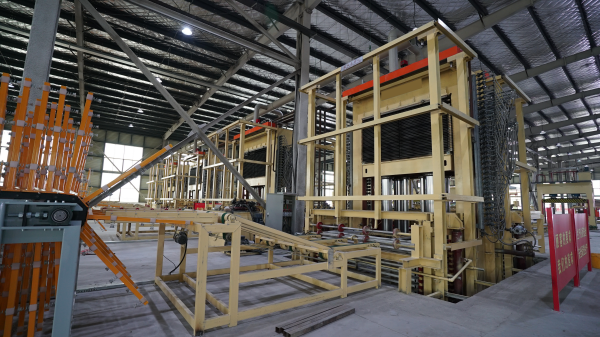
Định nghĩa công nghiệp
Một máy ép nóng ván ép là một thiết bị cốt lõi trong sản xuất ván ép liên kết nhiều lớp veneer dưới nhiệt và áp suất được kiểm soát. nó kích hoạt nhựa dính và biến các ngăn xếp veneer lỏng lẻo thành các bảng kỹ thuật rắn được sử dụng trong các ngành công nghiệp đồ nội thất, xây dựng và sàn.
Thiết bị này rất cần thiết vì nó trực tiếp xác định:
- Độ bền liên kết
- Độ phẳng bề mặt
- Mật độ cấu trúc
- Độ bền lâu dài
Khái niệm chức năng cốt lõi
Hệ thống Kích hoạt Nhiệt
Nhiệt được truyền qua các tấm thép để kích hoạt quá trình đóng rắn bằng chất kết dính, thường trong khoảng 120 °C -160 °C tùy thuộc vào loại nhựa.
Hệ thống nén thủy lực
Áp suất thủy lực nén các ngăn xếp veneer thành một cấu trúc bảng dày đặc và ổn định, đảm bảo liên kết đồng đều trên toàn bộ bề mặt.
Quá trình ổn định cấu trúc
Sau khi ép, làm mát ổn định ứng suất bên trong và ngăn ngừa cong vênh hoặc biến dạng trong quá trình bảo quản và sử dụng.
Ván ép Hot Press Machine Nguyên tắc làm việc
Làm thế nào một máy ép nóng ván ép hoạt động
Các máy ép nóng ván ép áp dụng nhiệt và áp suất đồng bộ cho các lớp veneer xếp chồng lên nhau, chuyển đổi chúng thành một tấm ván ép cứng thông qua việc đóng rắn và nén keo.
Quy trình chính
- Chuẩn bị veneer và sấy khô
- Lớp phủ keo và ứng dụng nhựa
- Xếp chồng lớp và căn chỉnh
- Ép nóng dưới áp suất thủy lực
- Xử lý nhiệt và liên kết
- Làm mát và ổn định
- Cắt và hoàn thiện
Khái niệm làm việc kỹ thuật
Cơ chế truyền nhiệt
Nhiệt được truyền qua các tấm thép dày bằng hệ thống dầu nhiệt hoặc hơi nước, đảm bảo phân bố nhiệt độ đồng đều trên tất cả các lớp.
Kiểm soát áp suất thủy lực
Nhiều xi lanh thủy lực duy trì lực phù hợp để tránh các vấn đề về độ dày hoặc tách lớp không đồng đều.
Ván ép Hot Press Machine Tổng quan về cấu trúc
Các thành phần hệ thống chính
| Thành phần | Chức năng | Tầm quan trọng |
|---|---|---|
| Khung Thép | Hỗ trợ kết cấu | Quan trọng |
| Xi lanh thủy lực | Tạo lực ép | Quan trọng |
| Platens nóng | Bề mặt truyền nhiệt | Quan trọng |
| Hệ thống điều khiển PLC | Điều khiển tự động hóa | Cao |
| Hệ thống sưởi ấm | Cung cấp năng lượng nhiệt | Cao |
| Hệ thống cho ăn | Xử lý vật liệu | Trung bình |
Khái niệm thiết kế kỹ thuật
Cấu trúc khung chịu lực nặng
Khung được xây dựng bằng cách sử dụng các tấm thép có độ dày cao (thường là 40 mm) để chịu được tải trọng áp suất dài hạn mà không bị biến dạng.
Tiêu chuẩn gia công chính xác
Các bề mặt quan trọng được gia công với độ chính xác cao để duy trì độ phẳng của trục lăn trong phạm vi dung sai ± 0,1 mm.
Ván ép Máy ép nóng Thông số kỹ thuật (Ví dụ công nghiệp)
Mô hình Multi-Platen 600T tiêu chuẩn
| Tham số | Đặc điểm kỹ thuật |
|---|---|
| Tổng áp suất | 600T |
| Kích thước tấm | 1370 × 2700 mm |
| Số Platens | 11 lớp |
| Độ dày Platen | 42 mm |
| Phương pháp gia nhiệt | Dầu nhiệt |
| Áp suất thủy lực | 26 MPa |
| Hệ thống điều khiển | Điều khiển tự động PLC |
| Độ phẳng Độ chính xác | ≤0,1 mm |
| Tổng công suất | 29,5 kW |
Giải thích kỹ thuật
Thiết kế công suất áp suất
Công suất áp suất 600T đảm bảo nén ổn định cho tấm gỗ dán trung bình đến lớn trong sản xuất công nghiệp.
Hệ thống sưởi ấm dầu nhiệt
Dầu nhiệt cung cấp sự phân phối nhiệt ổn định và đồng đều, giảm sự dao động nhiệt độ trong chu kỳ sản xuất dài.
Các loại ván ép Hệ thống máy ép nóng
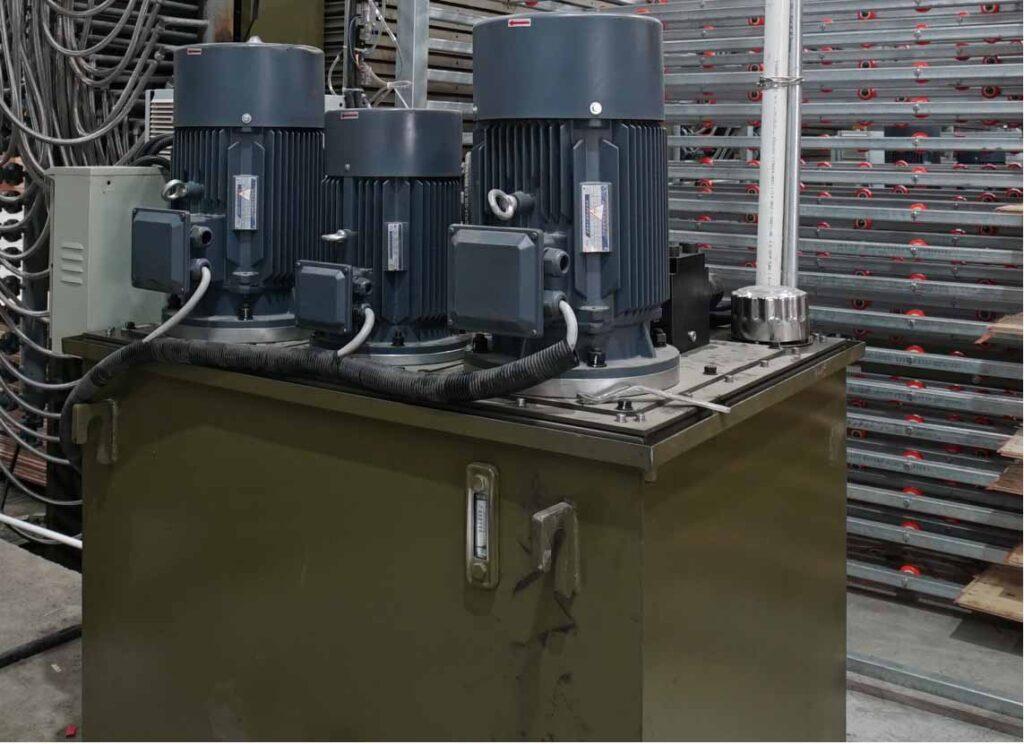
Máy ép nóng một lớp
Giải thích khái niệm
Một hệ thống một lớp ép một ván ép mỗi chu kỳ, phù hợp với môi trường sản xuất quy mô nh.
Các tính năng chính
- Chi phí đầu tư thấp hơn
- Cấu trúc đơn giản
- Bảo trì dễ dàng hơn
Máy ép nóng nhiều lớp
Giải thích khái niệm
Một hệ thống nhiều lớp ép nhiều ván ép đồng thời, làm tăng đáng kể sản lượng sản xuất.
Các tính năng chính
- Hiệu quả sản xuất cao
- Giảm thời gian chu k
- Thích hợp cho sản xuất hàng loạt
Bảng so sánh
| Tính năng | Một lớp | Đa lớp |
|---|---|---|
| Hiệu suất đầu ra | Trung bình | Rất cao |
| Chi phí Đầu tư | Thấp | Cao |
| Mức độ tự động hóa | Trung bình | Cao |
| Yêu cầu lao động | Cao hơn | Hạ thấp |
| Trường hợp sử dụng tốt nhất | Các nhà máy nh | Sản xuất công nghiệp |
Ván ép cao lớp Hot Press Machine Concept
Công nghệ ép đa lớp
Định nghĩa hệ thống
Máy ép nóng lớp cao được thiết kế để ép đồng thời 10 -20 chồng veneer dưới sự điều khiển thủy lực đồng bộ.
Lợi thế hoạt động
Thiết kế này cải thiện đáng kể hiệu quả sản xuất trong khi vẫn duy trì chất lượng liên kết đồng đều trên tất cả các lớp.
Khái niệm ổn định cấu trúc
Hệ thống Cân bằng áp suất
Hệ thống thủy lực phân phối áp suất đồng đều trên tất cả các tấm ép để tránh sự thay đổi độ dày.
Cơ chế đồng bộ hóa lớp
Mỗi lớp nhận được điều kiện nhiệt và áp suất giống hệt nhau để đảm bảo chất lượng sản phẩm phù hợp.
Hệ thống tích hợp dây chuyền sản xuất
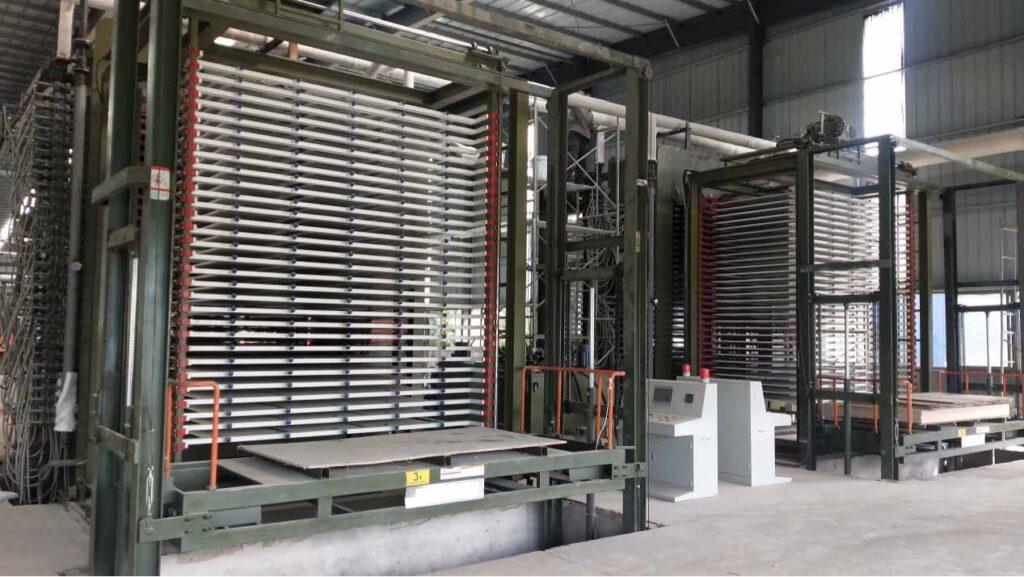
Quy trình sản xuất ván ép đầy đủ
Chuẩn bị Veneer
Các khúc gỗ được bóc thành tấm mỏng và sấy khô để đạt được độ ẩm tối ưu (thường là 8%–12%).
Ứng dụng keo
Nhựa dính được áp dụng bằng cách sử dụng hệ thống sơn lăn để phân phối đồng đều.
Giai đoạn ép nóng
Đây là giai đoạn cốt lõi mà máy ép nóng ván ép liên kết tất cả các lớp thành một bảng duy nhất.
Quá trình làm mát
Các bảng được làm mát để loại bỏ căng thẳng bên trong và ổn định cấu trúc.
Cắt và hoàn thiện
Ván cuối cùng được cắt tỉa thành các kích thước công nghiệp tiêu chuẩn như 1220 × 2440 mm.
Hiệu suất Ưu điểm của Máy ép nóng ván ép
Hiệu quả sản xuất
Hệ thống nhiều lớp làm tăng đáng kể sản lượng bằng cách xử lý nhiều bo mạch trong một chu kỳ, giảm tổng thời gian sản xuất.
Sự nhất quán về chất lượng
Nhiệt và áp suất đồng đều đảm bảo liên kết mạnh mẽ và giảm thiểu các khuyết tật như phồng rộp hoặc tách lớp.
Tối ưu hóa chi phí
Tự động hóa làm giảm sự phụ thuộc lao động và lãng phí vật liệu, cải thiện lợi nhuận chung của nhà máy.
Máy ép nóng ván ép vs Máy ép lạnh
So sánh chức năng
| Tính năng | Máy ép nóng | Máy ép lạnh |
|---|---|---|
| Nhiệt Ứng dụng | Đúng | KHÔNG |
| Sức mạnh trái phiếu | Cao | Trung bình |
| Tốc độ sản xuất | Nhanh | Chậm lại |
| Sử dụng công nghiệp | Sản xuất hàng loạt | Ép trước |
Sự khác biệt về khái niệm
Công nghệ Hot Press
Sử dụng nhiệt và áp suất để tăng tốc độ đóng rắn dính và tạo liên kết vĩnh viễn.
Công nghệ ép lạnh
Chỉ áp dụng áp lực, chủ yếu được sử dụng để tạo hình trước khi ép nóng.
Phân tích tiêu thụ năng lượng
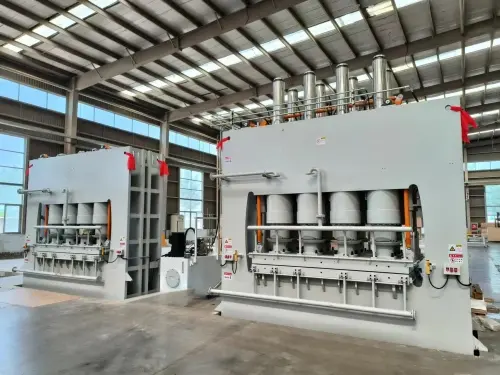
Phân phối năng lượng
- Hệ thống sưởi ấm: 50–60%
- Hệ thống thủy lực: 25–30%
- Hệ thống phụ trợ: 10–15%
Phương pháp tối ưu hóa
- Phục hồi tuần hoàn dầu nhiệt
- Điều khiển chu kỳ thông minh PLC
- Hệ thống điều chỉnh năng lượng dựa trên áp suất
Hướng dẫn lựa chọn hướng đến người mua
Các yếu tố quyết định chính
- Năng lực sản xuất hàng ngày cần thiết
- Không gian nhà máy sẵn có
- Năng lực cơ sở hạ tầng năng lượng
- Phạm vi độ dày sản phẩm mục tiêu
Câu hỏi thường gặp của người mua
“Tôi nên chọn dung lượng nào?”
Các nhà máy nhỏ thường chọn 5–10 m³/ngày, trong khi các nhà máy công nghiệp vượt quá 50 m³/ngày.
“Phạm vi độ dày ván ép tiêu chuẩn là gì?”
Hầu hết các máy hỗ trợ sản xuất ván ép 3 mm đến 40 mm.
“Tự động hóa có cần thiết không?”
Tự động hóa được khuyến khích mạnh mẽ cho sản xuất quy mô lớn do giảm chi phí lao động và cải thiện sự ổn định.
Câu hỏi thường gặp
Máy ép nóng ván ép được sử dụng để làm gì?
Nó liên kết các lớp veneer thành các tấm ván ép bằng cách sử dụng nhiệt và áp suất thủy lực trong dây chuyền sản xuất công nghiệp.
Nhiệt độ nào được yêu cầu trong ép nóng?
Phạm vi hoạt động điển hình là 120 °C–160 °C tùy thuộc vào loại chất kết dính và yêu cầu sản xuất.
Một chu kỳ ép là bao lâu?
Thường là 3 đến 8 phút tùy thuộc vào độ dày của bảng và công thức nhựa.
Tuổi thọ của máy là bao nhiêu?
Với việc bảo trì thích hợp, hệ thống công nghiệp có thể hoạt động trong 10 -20 năm.
Sự khác biệt chính giữa máy nhiều lớp và máy một lớp là gì?
Máy nhiều lớp tăng sản lượng bằng cách nhấn nhiều bảng đồng thời, nâng cao hiệu quả đáng k.
Phần kết luận
MỘT máy ép nóng ván ép là một hệ thống công nghiệp cốt lõi trong sản xuất ván ép hiện đại, ảnh hưởng trực tiếp đến hiệu quả sản xuất, chất lượng sản phẩm và lợi nhuận tổng th.
Với nhu cầu toàn cầu ngày càng tăng đối với các sản phẩm gỗ kỹ thuật, các nhà sản xuất đang chuyển hướng sang các hệ thống nhiều lớp tự động để đạt được sản lượng cao hơn, chi phí vận hành thấp hơn và chất lượng sản phẩm ổn định.Đầu tư vào hệ thống phù hợp là một quyết định chiến lược xác định khả năng cạnh tranh lâu dài trong ngành công nghiệp bảng điều khiển dựa trên gỗ.
 Vietnamese
  English
  Arabic